myRentokil
Manage your business
How has the approach to pest chemicals changed over the years? What does the regulatory landscape look like, and how is this impacting pest control? What are pest control companies doing to be more responsible? These are all questions we’ll be answering in this blog, so read on to find out more.
To understand where pest control is going, we have to look at where it started. In the early 20th century, rodent control relied largely on physical traps. While somewhat effective, this method required immense human effort, consistent monitoring, and could only target individual rodents at a time.
The real shift happened in the mid-20th century with the introduction of anticoagulant rodent baits, which completely revolutionised pest management. Before this, pest control experts had to carefully pre-bait areas with non-toxic food to encourage rodents to feed before introducing toxic versions. The new anticoagulant baits changed everything by causing a delayed effect. Rodents wouldn't feel ill until they had consumed a lethal dose several days later.
Because this scientific breakthrough made rodent control so simple and hands-off, the industry’s default response shifted to permanent baiting. This resulted in a heavy reliance on rodenticides, with baits routinely left out continuously around premises, regardless of whether active pests were present or not.
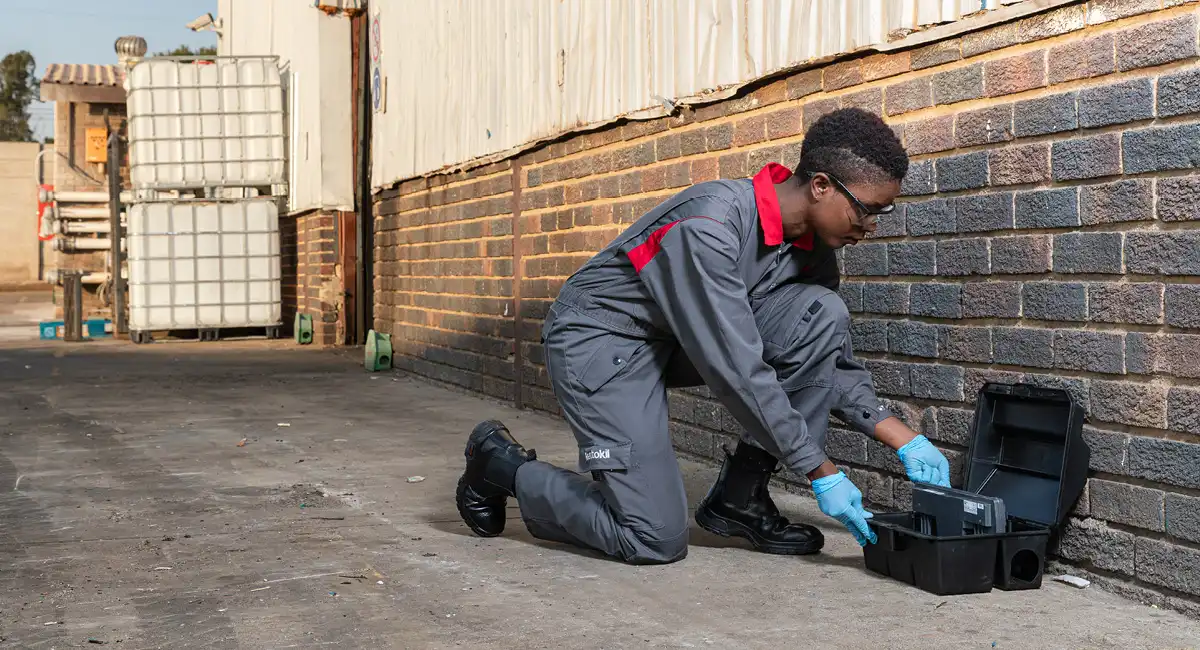
This unchecked reliance on chemicals came with severe long-term consequences:
Today, the rules governing pest control chemicals are changing rapidly, and the era of unrestricted chemical use is officially over. Globally, regulatory bodies are tightening the reins on traditional treatments to protect public health and local ecosystems.
For example, strict rules now heavily restrict the use of second-generation anticoagulant rodenticides (SGARs). In many regions, using these chemical baits in open outdoor areas is no longer permitted, limiting their use to the immediate perimeter of a building to protect non-target wildlife, such as birds of prey. Furthermore, laws now mandate strict proof of competence at the point of sale for professional pest products.
For businesses, this means continuing to rely on chemical-heavy pest control creates regulatory and operational risks.
Governments and industry auditors now mandate that Integrated Pest Management (IPM) principles take priority. This means businesses are legally and operationally required to prove they have used non-chemical methods, such as pest-proofing and digital monitoring, before resorting to chemical treatments.
Staying compliant means partnering with a provider that doesn't just understand the rules and regulations, but actively designs solutions to stay ahead.
Forward-thinking pest control providers aren’t just reacting to these tightening regulations; they’re actively transforming pest management. At Rentokil, we focus on innovation that protects your premises while supporting your ESG goals. Central to this approach is the shift towards connected technology, which fundamentally changes how we manage infestations.
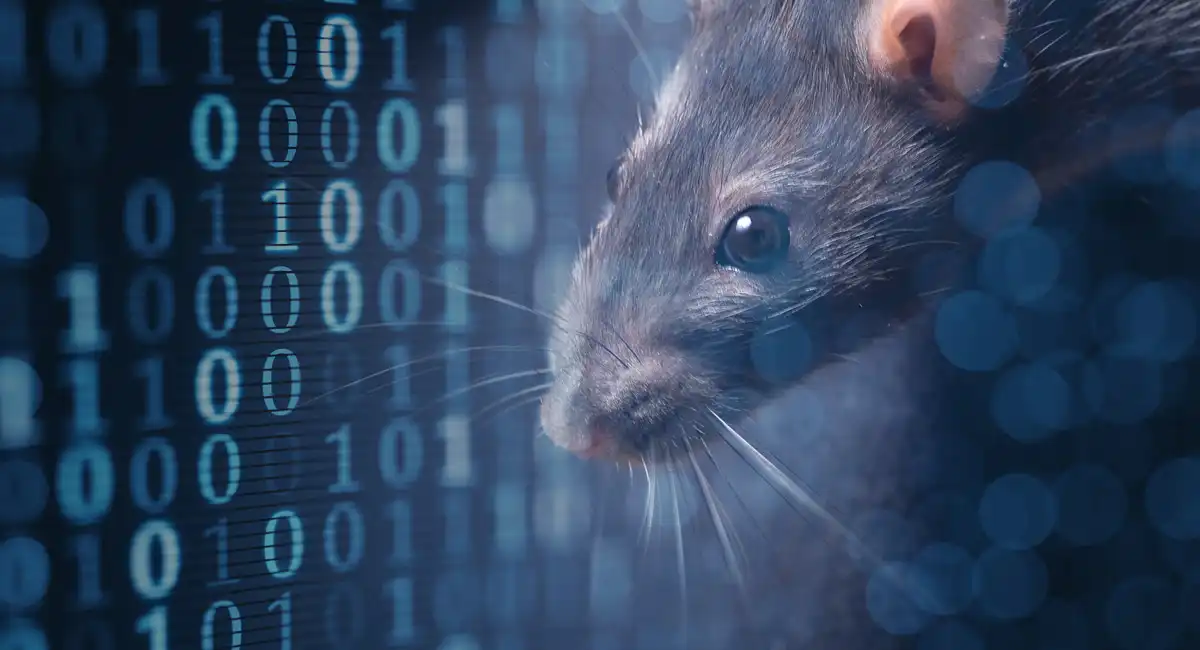
Did you know that connected pest control systems, such as Rentokil’s PestConnect, can help reduce rodenticide use by up to 60%?¹. This is because by analysing data from connected devices, experts can identify common trends and high-risk areas over time. This allows us to be proactive rather than reactive — mitigating risks before they escalate and ensuring that any rodenticide use is highly targeted and minimal.
Technology is also driving the development of more efficient, bait-free solutions. For example, PestConnect Optix (our AI-powered cameras) allows experts to have visibility into pest activity at a customer site at a level they’ve never had before, including rodent exit and entry points and bait take. AI then detects pests in the captured image and can trigger an automated alert, enabling swift intervention. This allows for quicker, more effective resolutions to pest activity, minimising the impact of infestations and the use of rodenticides.
¹Based on a comparison of rodenticide use at customer sites transitioning from non-connected to connected pest control. All data on file.
We’re proud to offer a diverse range of proven, chemical-free solutions to help protect businesses around the world. Some of these include:
But we aren't stopping there. Environmental responsibility is a continuous journey of improvement, and we’re constantly testing new materials, refining our data models, and collaborating with global manufacturers to find where we can improve.
Partnering with Rentokil means your business isn’t just reacting to changing environmental laws—it is actively staying ahead of them.
Take a look at how we can help you meet your sustainability goals.
Pest control made smarter, faster, and more efficient with the power of technology. It automates trap monitoring and allows for 24/7 protection. It calls on technologies such as IoT (Internet of Things), cloud computing, and — at the cutting edge of this service — AI, to monitor, manage and control pest threats more effectively. For example, machine-learning technology accurately detects rodents or insects captured by connected pest-control cameras and filters out false positives.
Yes, PestConnect can help reduce rodenticide use by up to 60%*. Connected devices help spot signs of pest activity far quicker than waiting for a scheduled service visit, so experts can jump into action quicker and resolve the issue sooner with less reliance on rodenticides to clear an infested area.
Based on a comparison of rodenticide use at customer sites transitioning from non-connected to connected pest control. All data on file.
Not necessarily, but it means chemicals are treated as a last resort. Under our Integrated Pest Management (IPM) framework, we prioritise chemical-free options such as pest proofing and heat treatments first. If chemical intervention is required for a severe infestation, we strive to use our data to apply the minimum amount necessary.
The most established digital pest control system worldwide