myRentokil
Manage your business
A gap the size of a small coin is all a rat needs. Add the fact that some species are expert climbers, and it's easy to see why so many infestations start where few people think to look: the roof.
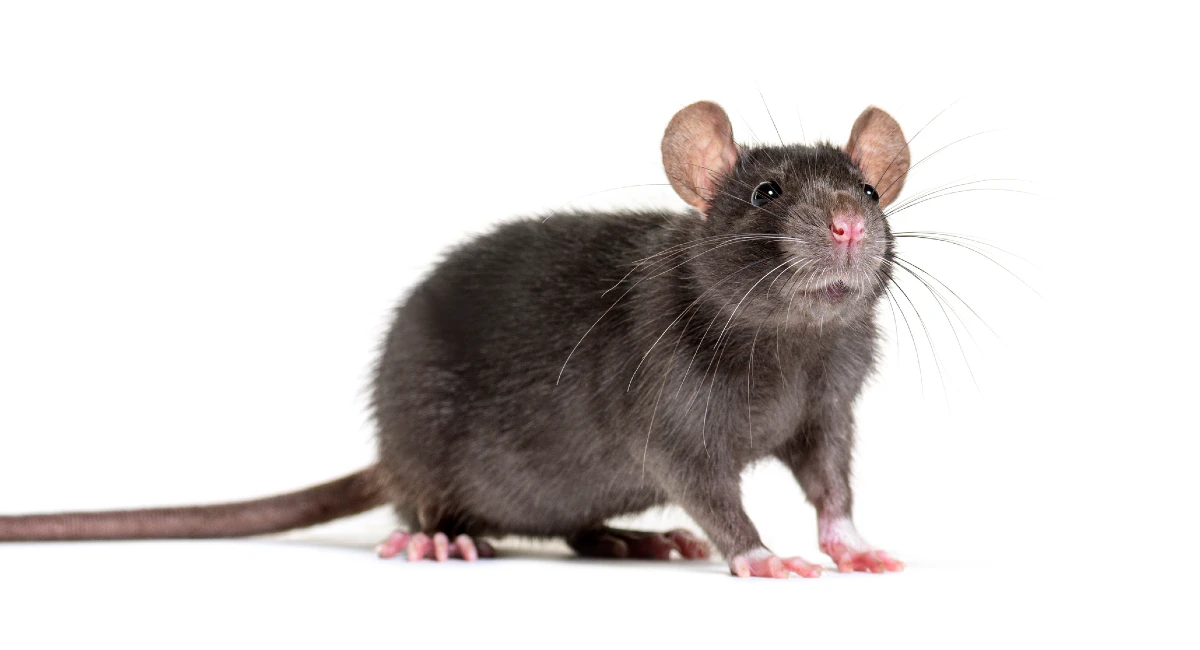
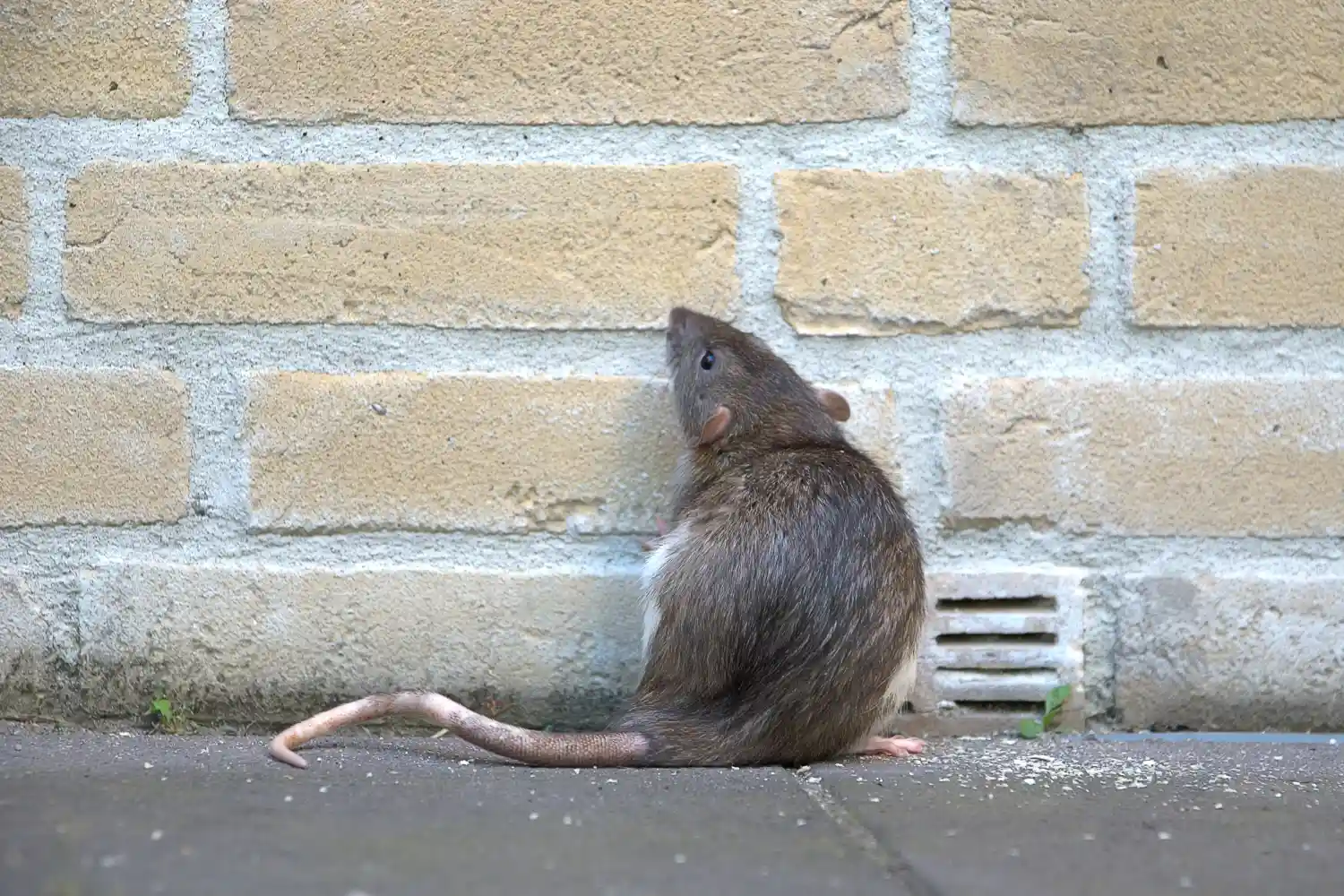
Black rats, sometimes called ship rats because of their long association with ports and coastal towns, wreak special havoc because they’re built for height rather than burrowing. A tree trunk, drainpipe, length of guttering or rough brick wall all give rats a route up. If a branch touches or overhangs your roof, you've effectively built them a bridge.
Take a look at the video below to see exactly how a black rat can cross a roofline and find its way into a loft space in a matter of seconds.
Black rats can jump 77cm vertically and 120cm horizontally, which is enough to cross from an overhanging branch to a roofline, or between closely built houses. What looks like a barrier to us is often an easy jump for a rat.
By the time most property owners notice droppings or scratching sounds, the rats have already been using the roof space as a route into the rest of the building.
Rats don't stumble into buildings by chance. Rodent research specialist Heather Martin describes rats and mice as strategists that read their surroundings carefully, and after years of studying them she sees them as resourceful animals that exploit gaps in how we build and manage our homes.
In fact, rats are perfectly capable of living in an outdoor space for years without ever venturing inside, as long as they have shelter and a reliable food source nearby. The trouble starts when that food source disappears, or the rats are disturbed some other way. That's when they begin looking for somewhere new, and a loft with a gap in the roof tiles often provides easy access for rodents to escape the cold and find a new food source.
That's also why seeing them out and about during the day is rarely a good sign: rats are naturally nocturnal, so daytime activity usually points to a population large enough that they're competing for food at night.
Autumn storms and winter frost can easily damage roofs, and that's exactly when rodents start looking for somewhere warmer to shelter. As outdoor food becomes scarcer and temperatures drop, a loft suddenly looks a lot more appealing than a garden burrow. The timing isn't a coincidence. Rats move indoors when the conditions outside stop working in their favour, and a damaged roof gives them the easiest way to follow that instinct.
Wind, rain and frost take their toll on tiles, ridges and flashing. A tile that slips in a storm, a ridge that cracks after a hard frost, or flashing that comes loose around a chimney can all create the opening a rat needs.
This is why the condition of the roof deserves more attention than most people give it; a tile that's been sitting loose for a season might seem like a minor repair job, but it can be the difference between keeping rats out and inviting them in.
Once inside, they'll usually keep going, working through gaps around pipework and into wall cavities or the rest of the building.
Rats cause damage in two ways once they're in: by gnawing and by what they leave behind. Their teeth never stop growing, so gnawing isn't occasional; it's constant. Timber, insulation, pipework, and electrical cabling are all fair game, and damaged wiring in particular can become a genuine fire risk.
Rodents can also pose significant health risks. They can pick up and spread bacteria, and their droppings and urine can contaminate surfaces, particularly in kitchens and food storage areas.
For this reason, if you think you've got a rat infestation, it's best not to clear droppings or nesting material yourself. Find your local Rentokil branch to assess the situation first.to assess the situation first.
For businesses, the same winter risks carry higher stakes. A rat getting into your kitchen, warehouse, or storeroom can mean contaminated stock, failed hygiene inspections, and reputational damage that's hard to shake off. If you run a food business, even a single sighting can trigger a closure or compliance issue.
For a business, downtime is a real cost. An unnoticed gap over winter can grow into an infestation that disrupts operations for days. This is where digital monitoring can be invaluable. Sensors in high-risk areas like storerooms or roof voids flag activity as soon as it starts, often well before a manual inspection would catch it, giving you time to act before stock is contaminated or an audit is affected.
If your commercial property has exposed pipework or cabling that rats could use as a route between floors, it's also worth reading about ConeStop, our solution for blocking rodents from travelling along these routes altogether.
You won't be able to rat-proof a roof completely on your own, but a few habits make a real difference:
Whether you're protecting a family home or a commercial site, the principle behind keeping rats out stays the same: most entry points are preventable once you know what to look for. A gap around a pipe, a loose vent, a weak spot on the roofline: it doesn't take much for a rat to get in. DIY checks catch the obvious gaps; professional proofing deals with the ones you can't see or reach.
Our Flexi Armour rodent exclusion range is designed to seal off exactly these vulnerable areas, without the need for major building work. At its core is a durable, knitted steel mesh, tough enough that rats can't gnaw through it, but flexible enough to mould around awkward shapes and tricky gaps. The range covers several of the most common weak points we see on a property:
A couple of things set it apart from a quick DIY fix. It's a humane, eco-friendly form of exclusion: there's no chemical treatment involved, the mesh simply makes the gap physically unusable. It's also built to last, standing up to rain, UV exposure, and temperature changes without breaking down the way foam or basic sealants can, so once it's fitted, it keeps doing its job with minimal upkeep.
Spotting the vulnerable areas on your own property isn't always straightforward, and sealing them properly makes all the difference. If you've noticed signs of activity, or just want the reassurance that everything is properly sealed, our rodent experts can take it from here, identifying the gaps that matter most and talking you through the right Flexi Armour options to close them for good.
Get in touch with us to arrange a free visit.
The most established digital pest control system worldwide