myRentokil
Manage your business
Global warming, climate change, the climate crisis: terms about our changing world have become embedded into our everyday lives. And rightly so – according to EU scientists, 2023 was the warmest year in recorded history, with June to December months all breaking temperature records. These increasing temperatures bring significant changes to the world around us, one notable impact being the frequency and severity of extreme weather events.
From record-breaking heat waves in the US to severe flooding in Africa, extreme weather events are increasing, and with them come huge environmental, economic and human costs. At Rentokil, we see how they impact pests, encouraging adaptive behaviours and allowing some pest populations to thrive. Subsequently, we also see the impact of extreme weather on businesses that are more vulnerable to pest infestations, like those in the food supply chain.
There’s an evident need to future-proof and adapt pest control to mitigate these evolving pest threats, so what’s in our armoury to rise to these challenges? Well, part of our defence involves turning to technology. In this blog, you can learn more about the increasing pest threats in our new normal and how digital innovation can help combat them to safeguard food safety.
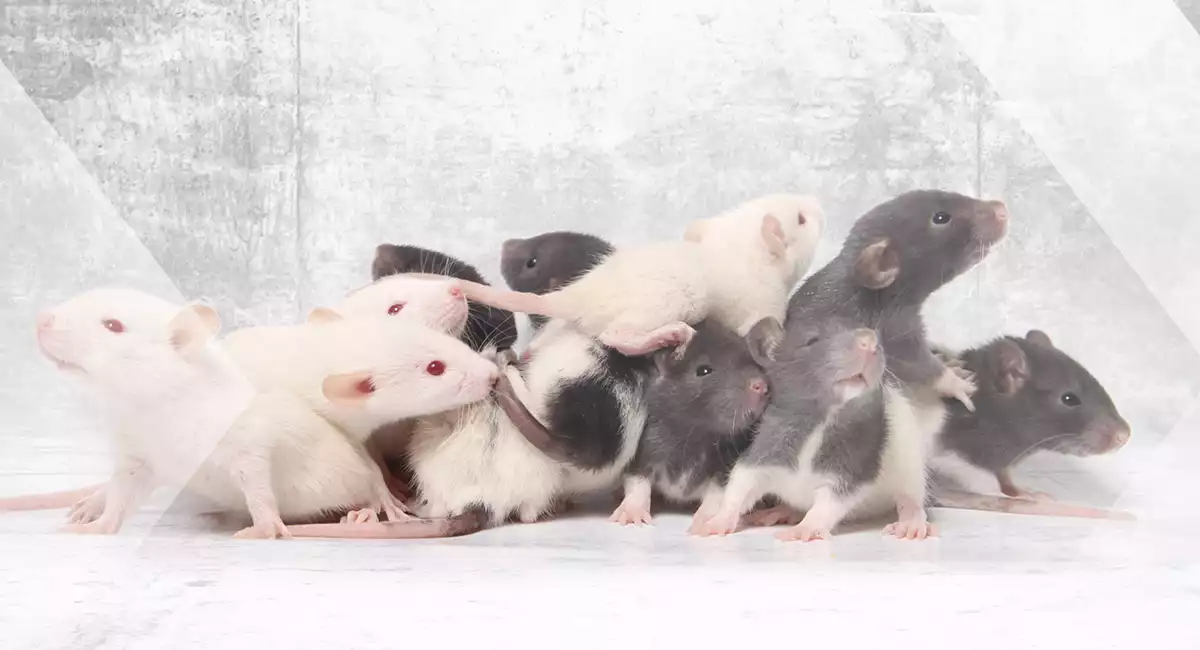
There are numerous ways that weather can impact pest populations and their behaviours, such as changing their reproduction rates, nesting or sheltering habits and where they can find food. One key change relates to migration as pests move to avoid weather changes or migrate to a new area after conditions there become more favourable. In logistics, such as the food supply chain, the movement of products can also mean pests being transported and surviving in new climates. These shifts mean countries that have never faced certain pests before can find themselves with new infestations.
For two common food pests – rodents and flies – we’ve seen how their behaviours are changing first-hand.
Most rodent pests are commensal organisms, which means they tend to live closely with us in human habitats where they can find food, water and shelter. As our population grows or moves, so will theirs, making topics like increasing urbanisation a big driver in rodent populations.
Their close dependence on us means rodents have always posed a challenge to food safety, being responsible for significant losses throughout the food supply chain. Now, weather extremes are increasing the challenge. In March 2023, Rentokil saw a 38% increase above average in rodent infestations following a cyclone that hit New Zealand near Auckland. Levels of infestations also remained high for the following six months despite it being the winter season there. Why do we think this happened? There could be many factors, but it could be that disruption in habitats and food sources due to the cyclone led them to seek new harbourage elsewhere and drove them inside buildings.
Another risk factor is how quickly rodents can reproduce. Brown rats can breed throughout the year if conditions are favourable, with one female producing up to 12 litters a year. The rising temperatures we’re seeing across the globe mean these favourable conditions are becoming more common, so we can expect to see rodents breeding for longer and more frequently as our climate changes.
Many of the conditions that help rodents thrive are similarly conducive to fly infestations. Flies are what we call ‘r-strategists’, an ecological term for their reproductive strategy. Essentially, their life cycles and generations are shorter, but they can produce huge numbers of offspring in a short time. As we’ve seen with rodents, increasing temperatures can speed up fly reproduction even further – a 2005 study using a predictive model for the climate of the southern UK suggested that predicted temperature increases could make fly populations 244% higher by 2080.

As we’ve just explored, a changing climate can mean a different, more challenging pest landscape. However, as pests adapt, so can we. By harnessing technological developments, we’re able to stay ahead of varied pest behaviours and provide even better pest control.
When we refer to digital pest control, we’re referring to pest control that is made faster and more efficient with the power of technology. It calls on IoT (Internet of Things) and cloud computing to monitor, manage and control pest threats.
Our digital pest control offering, PestConnect, uses a system of connected devices that detect, capture and eliminate pests. They report data to the cloud, alerting us when pests are present and enabling 24/7 monitoring. This means that technicians no longer have to check traps manually – instead, they’re notified of pest activity and can plan their response accordingly with greater insight into what’s happening at customer sites.
More recently, the vast and expansive developments in AI are helping take monitoring systems like this even further. Machine learning is being used with camera technology to help computers confirm the presence of pests and identify pest types. By itself, the camera taking pictures of pest activity gives you the changing state in a setting, but adding AI to this technology removes the need for humans to monitor and verify these images and helps pest controllers respond faster.
With more accurate monitoring, these digital technologies can help make interventions more targeted and sustainable. For example, by pinpointing where pest activity is taking place, any treatments such as rodenticides can be used only where needed, reducing the amount used. Collecting data from these devices also gives us insights that help us spot common trends and risk areas over time, which means we can be more proactive in mitigating future risks. As the pest landscape continues to evolve alongside our changing climate, insights like this will become more and more valuable.

In industries such as food processing, healthcare or hospitality where pest control standards must be maintained, integrated pest management (IPM) – including monitoring and technological defences – can help us detect food safety threats as they happen and implement control measures before infestations spread. These quicker responses help create a more compliant site, reducing risks of cross-contamination, product spoilage, production downtime and revenue losses caused by pest activity. Crucially, they also lead us to the point where we can start to predict likely infestations, improving the efficiency of our service and enhancing food safety and security across all stages of the supply chain.
What’s even more exciting is that these technologies are evolving quickly. Despite the challenges we face regarding pests and extreme weather associated with climate change, we can already see that these technologies are helping safeguard food safety and protect consumers and business reputations. As we look to the future, they have the potential to enable enhanced monitoring across different pest types and ultimately create more resilient food storage, processing and distribution networks.
At Rentokil, our continuous focus on digital leadership and sustainable innovation means we provide the pest control solutions needed to protect the food industry and consumers. If you’d like to learn more about how we can support your food safety efforts, click here.
Technology and data-driven digital pest monitoring for effective, smart pest management solutions