myRentokil
Manage your business
Bed bugs are notoriously difficult to eradicate. They have continued to be a major pest in the human environment over the last few decades, despite the use of modern pesticides and treatments. The overuse and misuse of organic pesticides has resulted in widespread resistance, making them a continued threat to hotels, care homes, hospitals, residential buildings and even aircrafts.
Heat treatment is well known as an effective method for killing bed bugs without leaving environmentally harmful residues. So far, no super bed bug has emerged that is resistant to the high temperatures of heat treatment. However, it still needs to be applied correctly to ensure that it reaches all the bed bugs and their eggs in a room for a sufficient length of time to eliminate them.
This article explores the multifaceted ways in which heat affects bed bug physiology, reproduction and offspring development.
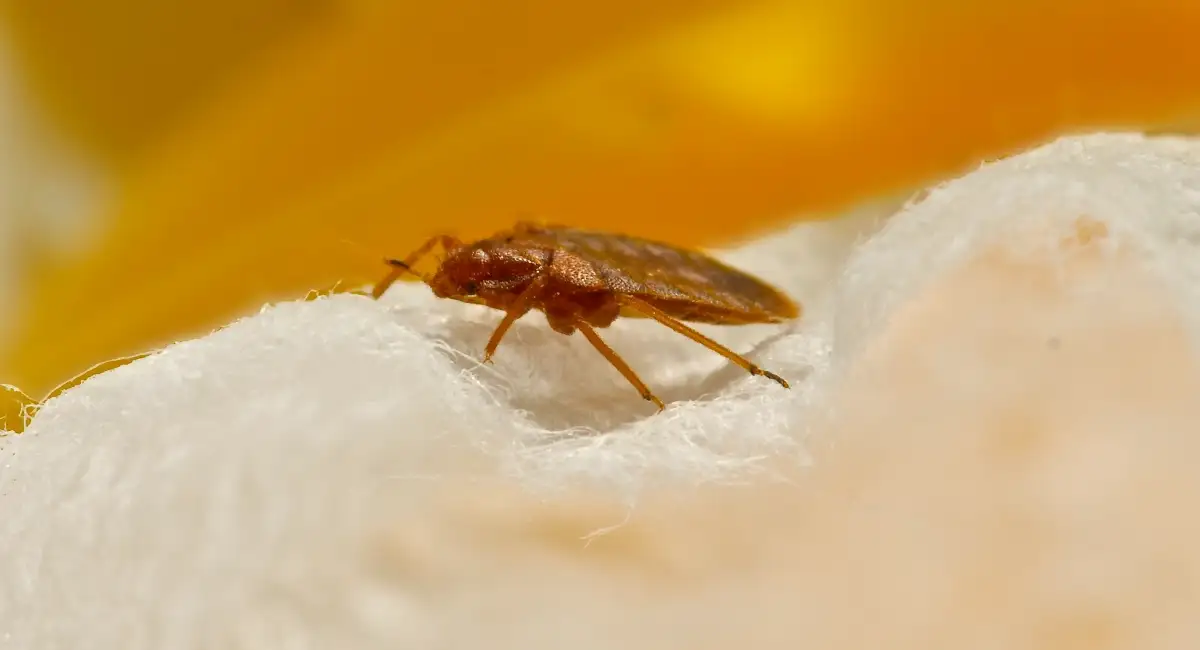
Bed bugs respond to the temperatures found on a human body by moving towards the source, but they only respond to this heat at distances of about 3cm. The primary means for locating a food source over distances greater than this is human body odour.
As the temperature increases, more bed bugs become active and the speed at which they move towards a heat source increases. Bed bug feeding response increases with temperature up to about 38–43°C above which it decreases.
Bed bugs emit chemical signals, called alarm pheromones, to communicate danger and induce behavioural responses in other bed bugs. These pheromones are released when they are under threat or stress, prompting nearby bed bugs to move away from the source of the alarm. Situations that cause alarm pheromone release include being uncovered, crushed, or exposed to high temperatures or sublethal heat.
We know the major chemical components of the alarm pheromone, which are (E)-2-hexenal and (E)-2-octenal in a 70:30 blend. A synthetic mixture of these two chemicals alone has been tested and found to produce the same response as the natural pheromone. Nymphs emit a slightly different blend of chemicals and females emit more than males. These induce a strong response over a 50mm radius and less so up to 100mm, so bed bugs can only warn others close by.
The bed bug response to alarm pheromone is:
There are several implications for pest control of bed bug alarm pheromones when considering heat treatment.
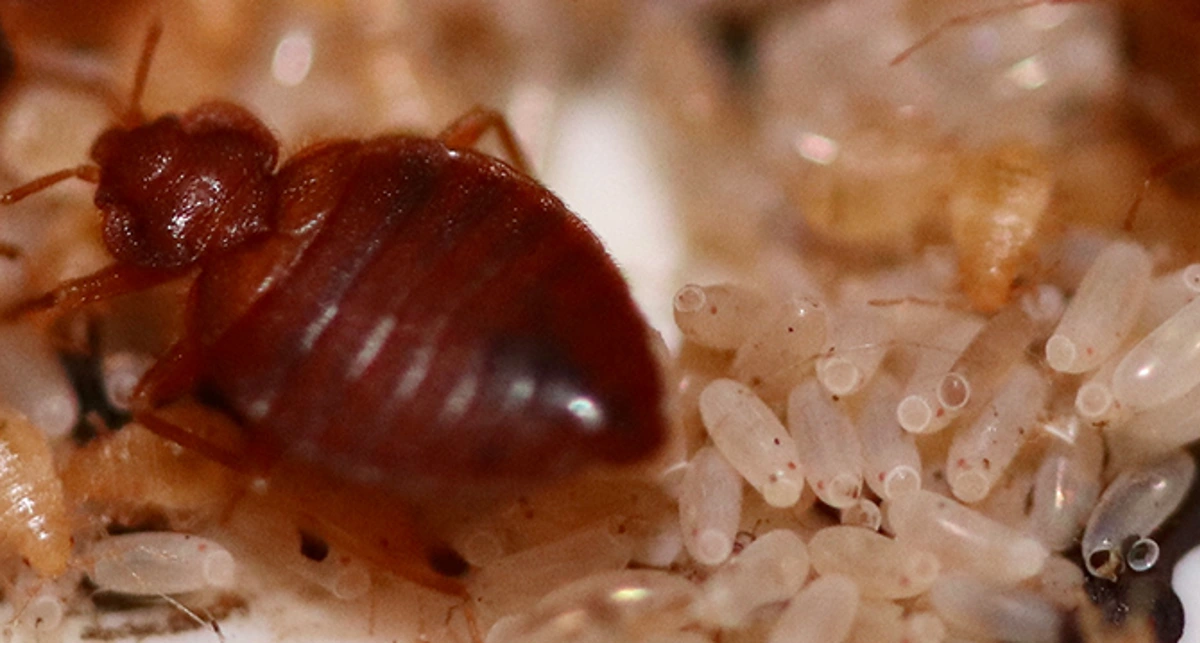
Heat stress causes a range of physiological changes that harm bed bugs and affect their behaviour. The optimal temperatures for bed bug development are 25–30°C (77–86°F). As the temperature rises, their metabolic rate increases and the time required to progress through their life stages reduces. Eggs hatch faster and the nymphs develop into adults more quickly.
As temperatures rise above the optimal range, bed bug development slows and survival declines, particularly above 37°C (98.6°F) when prolonged exposure can cause harm. Different temperatures are lethal to bed bugs depending on the time of exposure.
It should also be noted that different studies can show different times because of variations in the survivability of different bed bug populations.
The physiological mechanisms by which heat affects bed bugs are complex and not fully understood. Heat stress triggers a cascade of physiological changes, including protein denaturation, accumulation of toxic byproducts, DNA damage, pH change, nutrient deprivation, desiccation and disruption of essential cellular processes.
While bed bugs possess some defence mechanisms against heat stress, such as the production of heat shock proteins that give some protection, prolonged exposure can overwhelm these defences, leading to lasting negative consequences. So far, laboratory studies have not found long-lasting heat resistance over multiple generations
Sublethal heat can impact the survival of bedbugs in several ways. Studies have shown that there is a critical temperature range from 37.0–40.0°C in which long exposure has detrimental effects and even small increases have a big impact.
Interestingly, the impact of heat stress appears to extend beyond direct physiological damage, potentially affecting the delicate symbiotic relationship between bed bugs and Wolbachia bacteria. These bacteria, which are present in many insect species, reside in specialized organs called mycetomes. They provide bed bugs with essential B vitamins, playing a crucial role in their growth and reproduction.
Sublethal heat stress may disrupt this symbiotic relationship, either by directly harming the Wolbachia bacteria or by hindering their transmission from mother to offspring. This disruption can have far-reaching consequences for bed bug populations, contributing to reduced fecundity, poor egg-hatching success, and hindering nymph development.
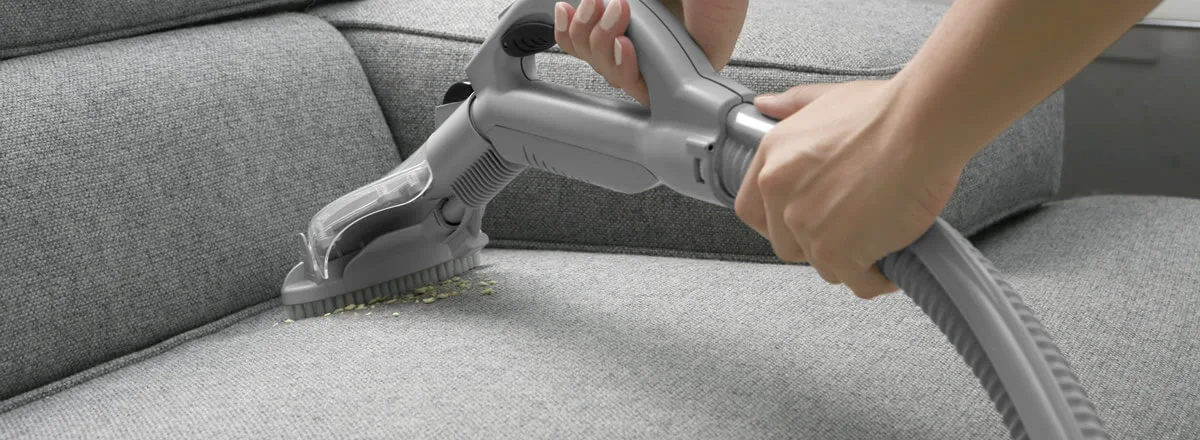
Heat is a highly effective, non-toxic method for controlling bed bugs. It can kill them at all life stages. However, it is most effective when used as part of a comprehensive pest management strategy. There are several methods for applying heat that are lethal for bed bugs.
1. Whole-room heat treatment
Industrial heaters are used to raise the temperature of a room or apartment to 50-60°C (122-140°F) and maintain it for several hours. Large fans circulate hot air into all areas of the room to ensure they reach a lethal temperature. This method ensures that heat penetrates furniture, walls, and other hiding places, killing bed bugs at all life stages.
This method requires professional equipment to heat the space safely and monitoring to ensure no cold spots remain where bed bugs could survive. Additionally, some items may need to be removed to prevent heat damage.
This method uses a steam cleaner with a nozzle temperature of at least 93°C (200°F) to treat surfaces like bed frames, mattresses, sofas and carpets. The steam penetrates cracks and crevices where bed bugs hide and kills bed bugs on contact.
Steam is particularly useful for localized infestations and can be applied by non-professionals, such as hotel staff with some training. It must be applied slowly to ensure that enough heat reaches the bed bugs and their eggs. However, this means it is time-consuming to do effectively. Also, steaming does not offer long-term residual protection and very thick surfaces may not be fully penetrated by steam.
A specialised heat chamber, large enough to take small items of furniture, luggage, bedding and clothing, can be assembled onsite. Hot air is blown into the chamber, or heating elements can be embedded in the walls, to generate a lethal temperature (above 50°C / 122°F) and maintain it for a sufficient time. To be most effective, several temperature sensors should be placed in the chamber and the temperature monitored.
A heating chamber is ideal for treating items that cannot be easily washed or treated with insecticides. It is easy to use and prevents re-infestation from movable items and travellers’ luggage. However, it is limited to smaller items and does not deal with wider infestations in a building.
An electric clothes dryer can be used to treat infested clothing and fabrics by subjecting them to high heat for at least 30 minutes. This will kill bed bugs and their eggs, but can only be used for heat-tolerant fabrics and products. A drying rack can be used for items that cannot be tumbled.
This method should be used in conjunction with other treatment methods to eliminate the whole infestation in the building.
Sublethal heat can be used in certain situations as part of an IPM strategy to weaken bed bug populations before a full heat treatment can be applied.
Tailor the approach to the specific situation: The most effective way to incorporate sublethal heat will depend on the specific circumstances of the infestation, such as the size and location, the availability of time before professional treatment, and the sensitivity of belongings to higher temperatures.
Heat treatment is an effective and efficient method of controlling bed bugs that has numerous advantages.
Whole-room treatment: Whole-room heating systems allow for the treatment of the entire space, eliminating the need to remove or bag belongings. This can save time and effort for both the resident or business and the pest control professional.
Heat treatment is a highly effective solution for eradicating bed bug infestations. Its ability to eliminate all life stages of bed bugs, including eggs, through lethal temperatures, makes it a reliable and efficient approach. While preparation and specialized equipment managed by professionals may be necessary when applied at a larger scale, the benefits of heat treatment, including its non-chemical nature and ability to penetrate hiding spots, outweigh the drawbacks.
As a versatile solution applicable to various settings, heat treatment is an essential tool that can be used in certain situations by the non-professional, and for the professional as part of an integrated pest management programme for customers.
Tailored, reliable pest management for homes and businesses, ensuring pest-free spaces for work, life and play