0808 273 1010 Get in touch Request a callback

What causes fruit flies in restaurants?

The common fruit fly, Drosophila melanogaster, is a common and unwelcome problem in restaurants worldwide. Its presence is more than annoying for restaurant owners and customers: it indicates poor food hygiene practices that can result in food contaminated with harmful bacteria, a poor customer experience from unwanted flies buzzing around customers, and damage to a restaurant's reputation from unhappy customers and negative online reviews.

But what exactly attracts these tiny flying pests to a commercial kitchen and dining areas? Understanding the root causes is the first step to effective prevention and control. This blog will delve into the primary reasons why fruit flies can become established in restaurants, from attractants to hidden breeding grounds and poor hygiene practices.
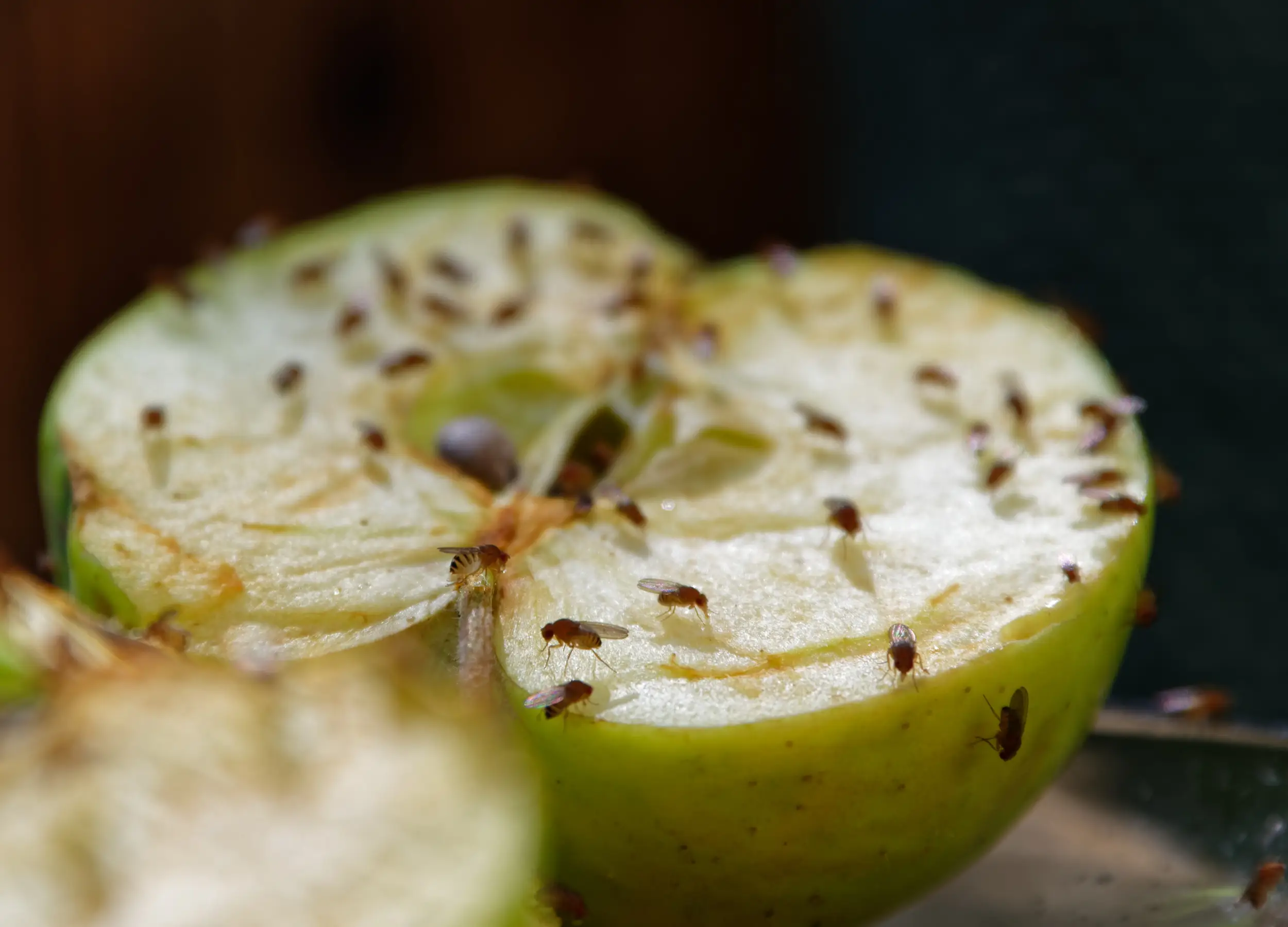
What attracts fruit flies to restaurants?

rotting fruit and vegetables with flies

Fruit flies possess an acute sense of smell, which enables them to locate food sources, potential mates, and suitable egg-laying sites. Understanding the specific odours that attract them is fundamental to preventing infestations by eliminating these olfactory sources.

The primary signal that draws fruit flies is the complex aroma profile associated with fermentation and decay. They are particularly attuned to the volatile compounds released as fruits and vegetables begin to ripen, overripen and are broken down by fungi, including yeasts and bacteria. Specific attractants commonly found in restaurants include:
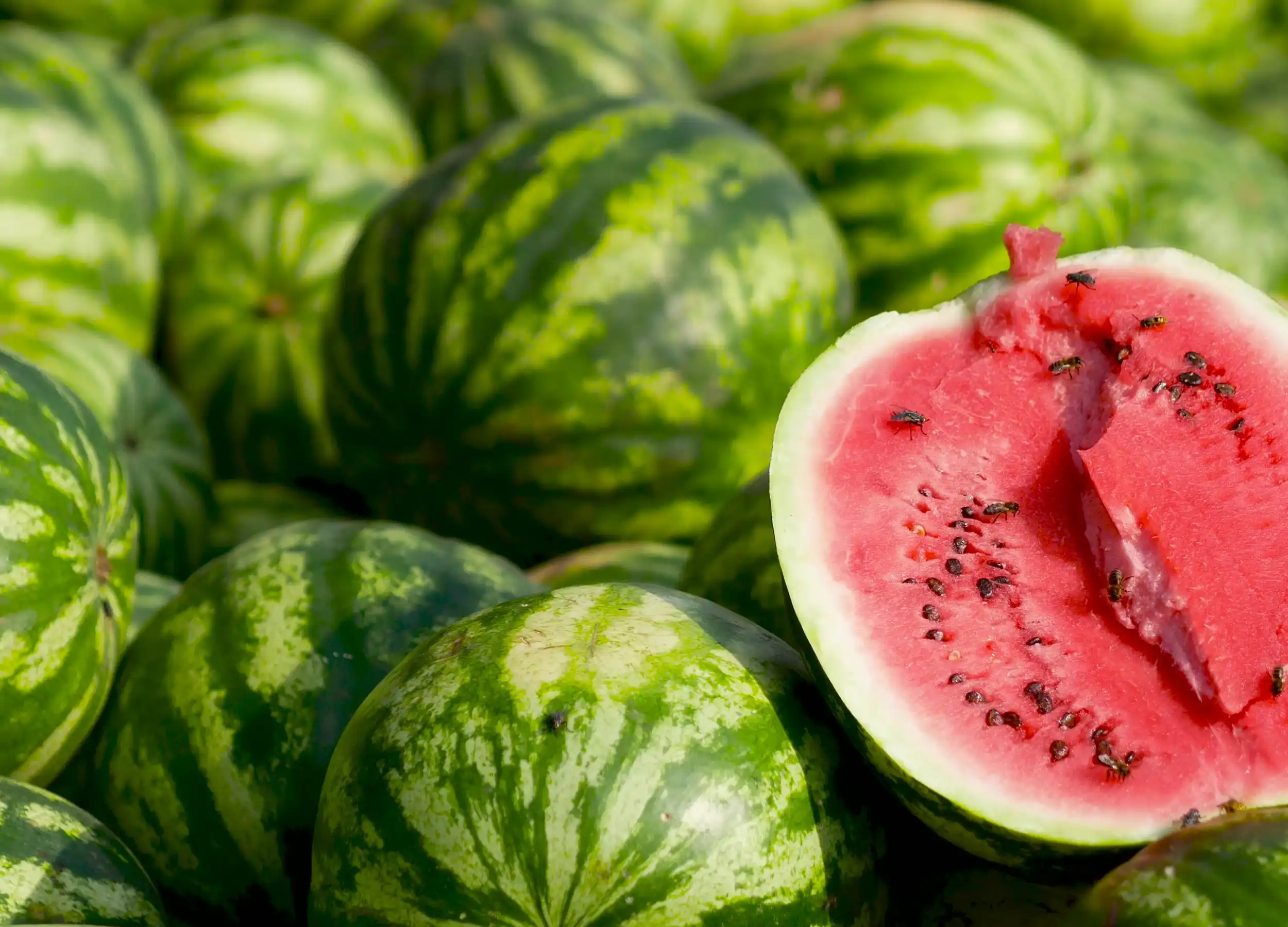
  • Overripe or damaged produce: Items such as bananas, tomatoes, melons, squash, grapes, onions and potatoes are prime targets as they start to ferment. Even slightly damaged areas can initiate decay and attract flies.
  • Sugary liquids: Spills or residues from soda, fruit juice, beer, wine, spirits and syrups are attractive to fruit flies. This makes bar areas, soda fountains and areas around beverage dispensers particularly vulnerable.
  • Vinegar/ acetic acid: Fruit flies are attracted to vinegar, which is created by fermenting substances, earning them the name "vinegar flies". 
  • Yeast and bacteria: While attracted by the overall scent of decay, the actual nutritional target for the larvae is the population of yeast and bacteria growing on the fermenting substrate. This means that the conditions supporting microbial growth (moisture plus organic residue) are the fundamental requirements for breeding. Simply removing visible food debris is insufficient if the underlying microbial "slime" remains.
  • Waste and residues: Odours emanating from garbage disposals, trash bins (especially lingering residue), recycling containers with unrinsed beverage remnants and dirty drains are strong attractants.
  • Damp cleaning equipment: Mops, rags and sponges that remain damp and contain traces of food or sugary liquids can begin to ferment and emit attractive odours.

How do fruit flies get into restaurants?

Flies on rotting fruit

Fruit flies can enter restaurants through multiple entry points, often exploiting the bustling nature and inherent characteristics of food service environments:
  • Through doors and windows: Open doors and windows are the most straightforward entry points. Even tiny gaps in window screens or doors left ajar for deliveries or ventilation can provide easy access for these small flies.
  • On incoming goods: One of the most common methods of infiltration is hitchhiking on deliveries of fresh produce. Ripe or rotting fruit and vegetables can harbour fruit fly eggs or larvae, introducing an infestation directly into the restaurant.
  • Exploiting structural gaps: Flies can enter through vents and ducts, under doors or through other small gaps.

The fruit fly life cycle

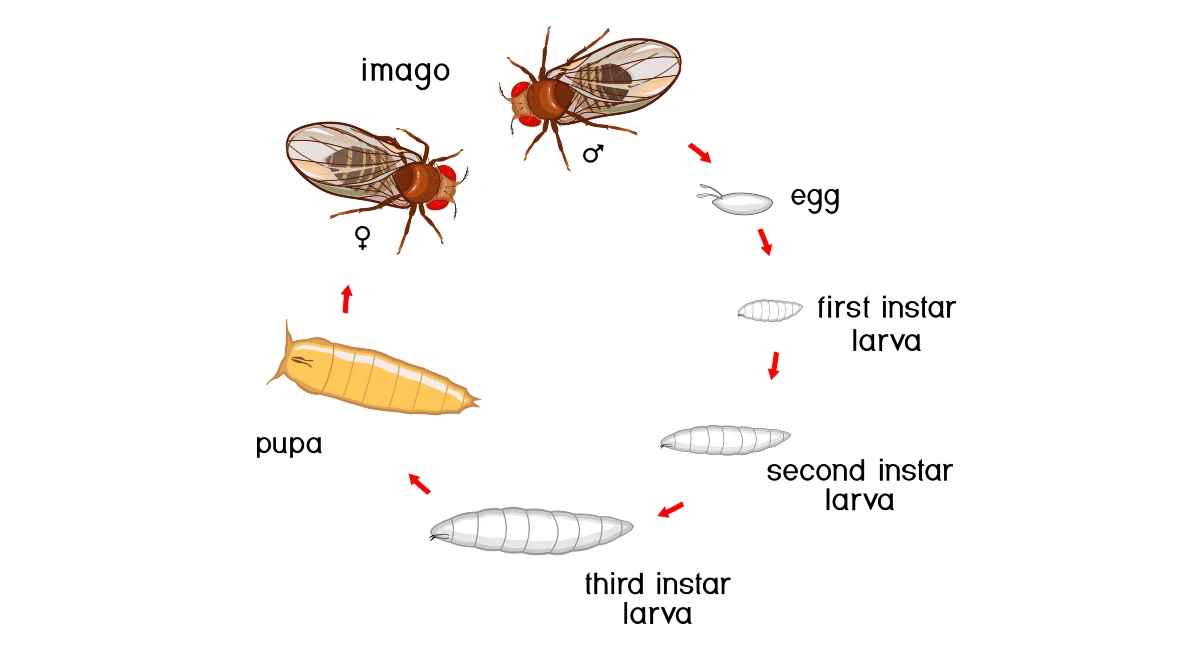
Fruit fly life cycle

Fruit flies, like many insects, have four distinct life stages. The speed of this cycle is dependent on environmental conditions, especially temperature and the nutritional status of the food available.

  • Egg stage: Following mating, female fruit flies seek out suitable locations to deposit their eggs. They can lay approximately 400-500 eggs during their lifetime, often in batches of about five at a time. Eggs are tiny (about 0.5 mm long), white, and are typically laid just beneath the surface of moist, fermenting organic materials. At optimal temperatures (around 25°C / 77°F), eggs hatch rapidly, usually within 12–24 hours.
  • Larval stage: Upon hatching, small, white, legless larvae emerge. They immediately begin feeding within the moist, decaying fruit or vegetable. Critically, their primary food source is not the fruit or vegetable itself, but the yeast responsible for the fermentation and decomposition process. The larvae grow rapidly, moulting twice (passing through three larval instars) over a period of about 4-5 days at optimal temperatures.
  • Pupal stage: Once larval development is complete, the mature larvae migrate away from the moist feeding site towards a drier, darker, and more protected location nearby to pupate. They form a hardened, capsule-like casing called a puparium, often light brown initially, darkening as it ages. This pupal stage typically lasts around 4 days at 25°C.
  • Adult stage: The fully formed adult fly emerges (ecloses) from the puparium. Adults possess wings and fully developed reproductive organs. They become sexually mature very quickly, often within 8-10 hours or up to two days after emerging, ready to mate and begin the cycle again.

How fruit fly infestations arise

Restaurant with no people

Fruit fly infestations originate from specific locations within the restaurant where conditions are right for breeding. The fundamental conditions are the presence of moisture combined with decaying or fermenting organic matter. Identifying and eliminating these breeding "hotspots" is the cornerstone of effective control. Often, the most problematic sites are inconspicuous and hidden from casual view, requiring diligent inspection to uncover.

Common fruit fly breeding grounds in restaurants

  • Drains: These are perhaps the most notorious and often overlooked breeding sites. Floor drains, sink drains, bar drains (especially under beer taps and soda fountains) and even condensate lines from refrigeration units can accumulate a layer of organic slime (biofilm) composed of grease, food particles, sugar residues and bacteria/yeast. This slime provides the perfect moist, nutrient-rich environment for fruit fly eggs and larvae.
  • Garbage and recycling areas: Both indoor and outdoor waste areas are major attractants and potential breeding grounds.
    • Waste bins: Even when liners are used, spills and leaks can create a layer of decomposing residue at the bottom of the bin, supporting larval development.
    • Dumpsters and compactors: Spilled waste around dumpsters and residues inside provide ample breeding opportunities.
    • Recycling bins: Unrinsed soda cans, beer bottles and juice containers leave sugary residues that ferment and attract flies.
    • Garbage disposal units: Food waste buildup within the unit can support breeding.
  • Bar areas: Bars are exceptionally high-risk zones due to the constant presence of sugars, moisture, and fruit. The combination of numerous attractants and breeding conditions requires specific, rigorous hygiene protocols.
    • Taps and trays: Beer taps and soda guns, along with their drip trays and associated drain lines, collect sugary liquids and develop slime.
    • Bar mats: Sticky spills soak into and accumulate under bar mats, and cracks in the mats can harbour debris and moisture.
    • Spills and wells: Spilled drinks under counters, beneath equipment (ice machines, refrigerators), and residue in ice wells create hidden breeding sites.
    • Bottles: open alcoholic drinks and syrup bottles, even those with pour spouts, can be entered by flies seeking sugary liquids to feed on and lay eggs in.
  • Food storage and preparation areas:
    • Produce storage: Improperly stored fruits and vegetables, particularly items left out of refrigeration as they become overripe or damaged, are classic breeding sources. A single forgotten rotting potato or onion can sustain a large infestation.
    • Spills under equipment: Food debris and moisture accumulating under prep tables, refrigerators, ovens, dishwashers and along baseboards create hidden feeding and breeding zones.
    • Flooring issues: Cracked or missing floor tiles, damaged grout, and gaps between the floor and walls trap moisture and organic debris, fostering ideal breeding conditions.
  • Cleaning tools and areas: Often overlooked, but significant sources.
    • Mops and rags: Mop heads, sponges, and cleaning rags that are not cleaned and dried thoroughly after use can harbour moisture and food particles, allowing fermentation and fly breeding.
    • Mop buckets: Residual dirty water and debris left in buckets can support larvae.
    • Dirty linen baskets: Accumulations of soiled linens can also become breeding sites.
  • Hidden nooks and moisture: Any area where moisture collects around even small amounts of waste food matter can potentially become a breeding site, such as areas around leaking pipes or equipment.

The recurring theme is that breeding sites are frequently hidden or difficult to access during routine cleaning. Effective control demands a proactive search for these locations, moving beyond surface sanitation to address the less obvious reservoirs where fruit flies thrive.

Impact on business

Waiter in a restaurant serving customers with ipad

Fruit flies may seem harmless because of their size and the fact that they don’t bite, but the consequences of a fruit fly infestation extend far beyond simple irritation. Their presence can severely impact a restaurant in several critical ways:

  • Customer experience: Flies buzzing around dining areas or hovering over food and drinks create an immediate negative impression, suggesting poor hygiene standards. This can lead to complaints and make customers reluctant to return. 
  • Reputation: In the age of social media, it is easy to post negative reactions to friends and family and in online reviews. A visible pest problem can quickly tarnish a restaurant's hard-earned reputation. News of fly infestations can spread rapidly, potentially leading to loss of business and damage to the brand image.
  • Food safety risk: This is perhaps the most critical concern. Fruit flies frequent unsanitary locations such as garbage bins, floor drains laden with slime, decaying produce, and damp cleaning cloths. As they move between these contaminated environments and clean areas, they can pick up and transfer harmful bacteria and pathogens, including Salmonella spp., E. coli, and Listeria spp., onto food preparation surfaces, utensils, clean equipment, and potentially directly onto food.

Thus, a fruit fly infestation is not merely an aesthetic concern; it represents a direct food safety hazard and frequently acts as a clear indicator of underlying sanitation deficiencies or structural issues within the restaurant.

Addressing fruit fly infestations involves tackling various root causes, such as food attractants, structural problems, and restaurant management practices. Their presence serves as a vital signal for restaurant managers and staff to implement operational improvements.

Pest control for the hospitality sector

Keeping hotels and restaurants safe from costly pest infestations

  • Our digital pest management systems monitor constantly, reacts instantly and reports directly
  • We employ advanced solutions, such as our Lumnia UV LED insect light traps
  • Delivering global consistency for global businesses
Find out more

Related posts