myRentokil
Manage your business
World food trade is valued to be around $300-400 billion, according to FAO. With the demand for food rising to meet the ever growing world population, food safety is becoming, even more, important.
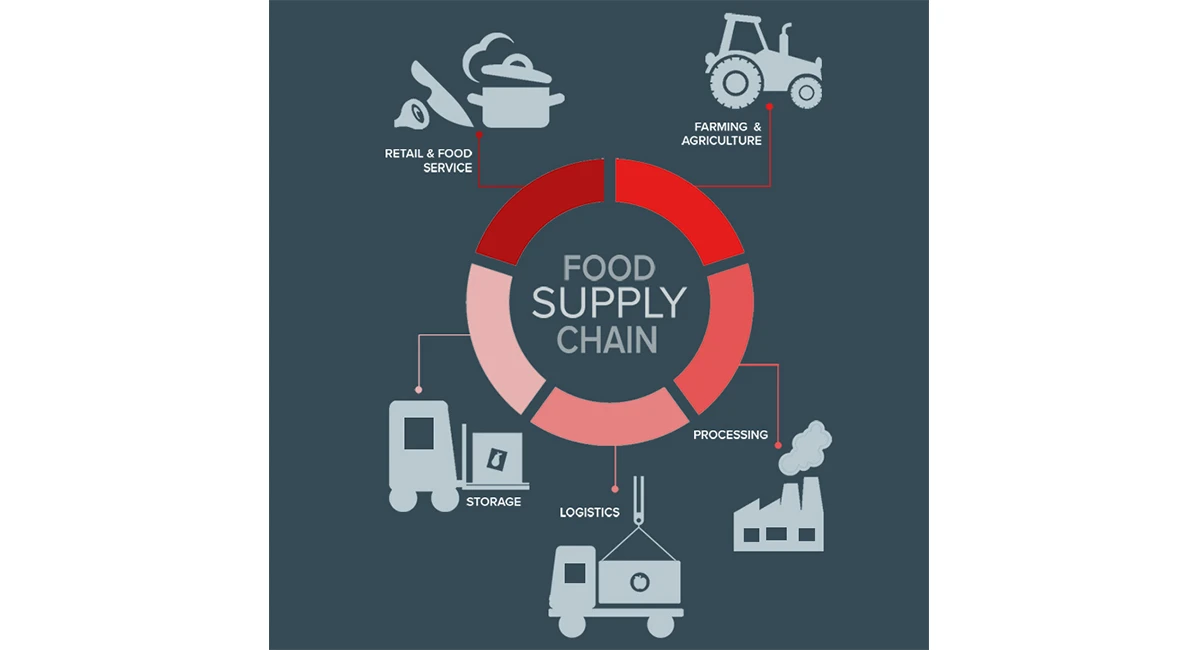
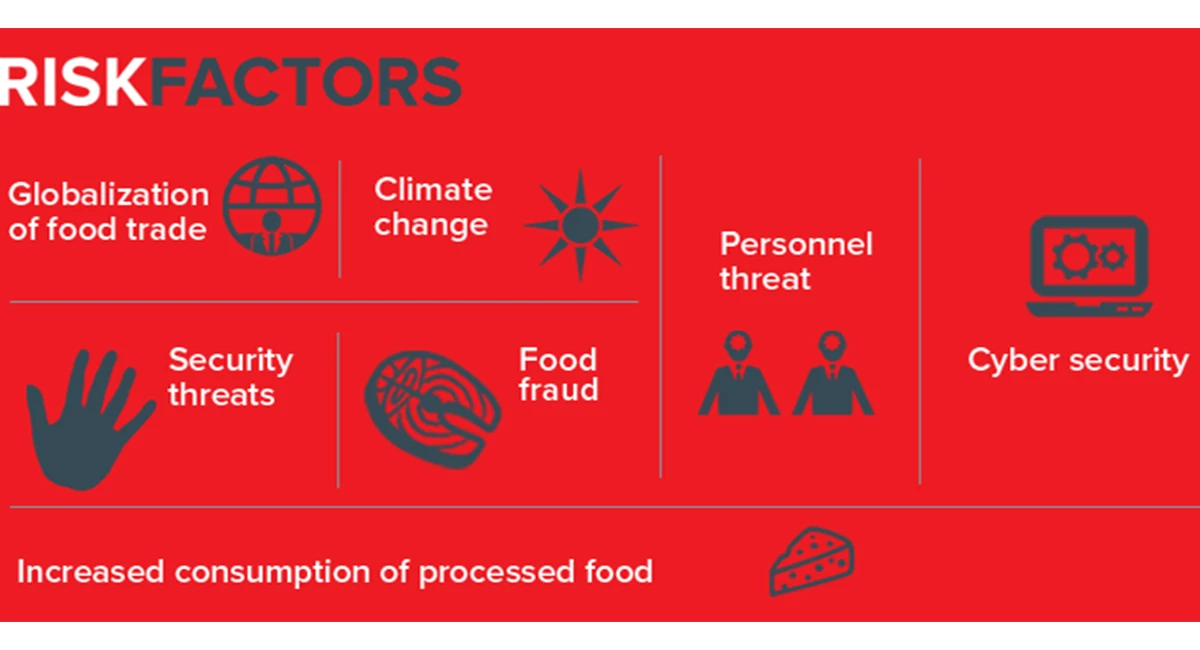
Although there is a wide range of food safety best practises being followed throughout the food supply chain, there are a range of factors which cause some complications, and could compromise some food safety requirements.
The food trade industry is one of the largest in the world. Many countries actively take part in this, distributing products which are locally grown and processed.
However, different countries adhere to different food safety standards, what may meet the correct food safety laws in one country could fail to in another. This makes food safety quite challenging to maintain and monitor when it comes to food trade.
Climate change also produces some risk in terms of food safety. According to the Chartered Institute of Environmental Health climate change affects food safety by:
Threats from malware and hackers have become increasingly troublesome in terms of food safety. Cyber attacks to a food processing factory can result in machinery shutting down. The implications of this result in the potential for food on the processing line becoming contaminated.
The increase in global terrorism and extremism has placed food safety at risk through the increased use of advanced weaponry. As a result, there is an increasing demand for better risk management plans.
In order to bring the cost of food down, food fraud has become increasingly popular. Food fraud consists of substituting a product with a cheap alternative. In terms of food safety, the issue here is the said substituted products aren't regulated, meaning that they could be harmful to humans. The same can be said for the selling of food knowingly unfit for human consumption.
In some cases, disgruntled employees can affect food safety. This can be done by purposefully contaminating food, or manipulating data and reports to release food that hasn't passed certain food safety regulations.
The increased consumption of processed food provides a risk due to the chemicals and additives used in the making of these products. There are also risks around the methods, equipment, facilities, and controls for producing processed foods.
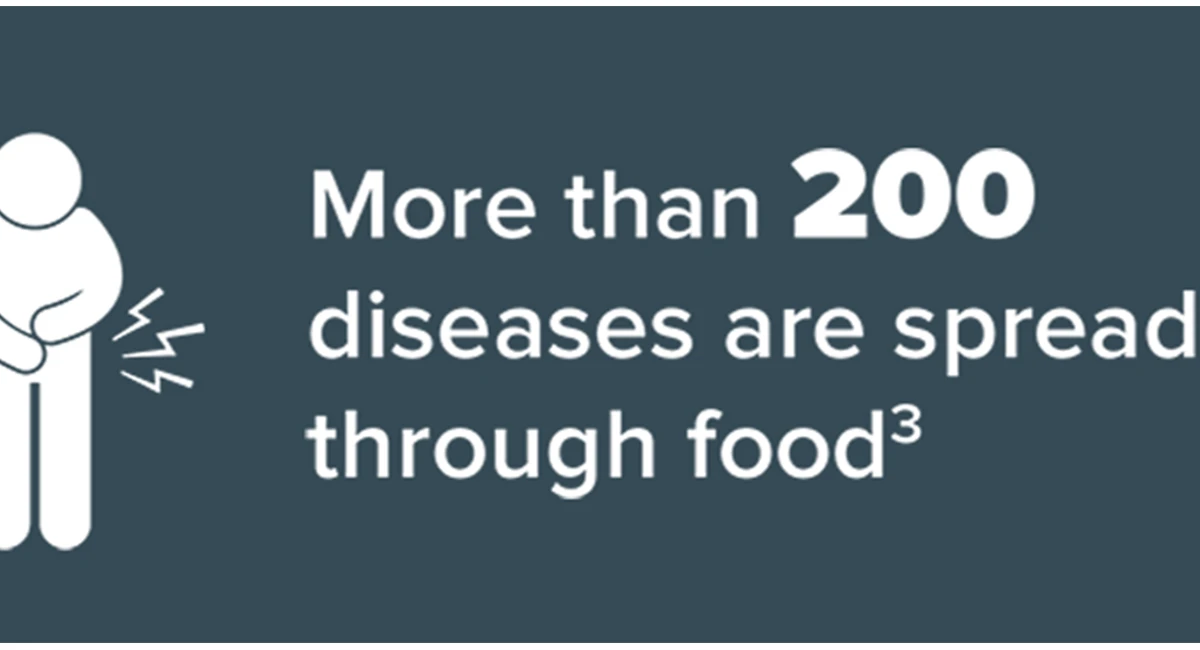
Failing to comply to food safety regulations could result in the following:
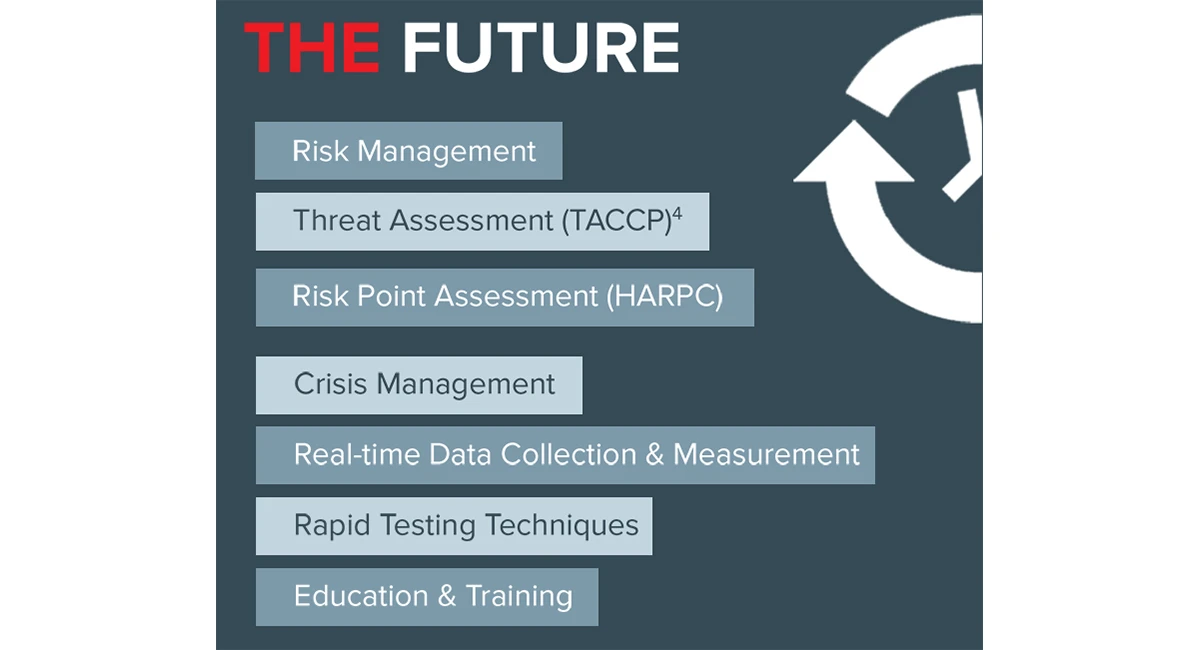
The future of food safety relies on improving the best practises and regulations for food hygiene.
With the constant introduction of new regulations, such as HARPC to help protect the global food market, the food safety testing market is estimated to be worth $16.1 billion by 2020.
Making improvements to the risk management systems in place such as the HACCP, as well as introducing new ones that involve risk point assessment like the HARPC to help improve the safety of food generated in the food supply chain.
Threat assessments involve identifying potential threats and emerging risks in the food supply chain, understanding which points of the supply chain is prone to threats, and implementing the appropriate control measures to reduce the risk. The ADAS explains that the TACCP focuses mainly on food fraud and malicious attacks on the food supply chain.
Crisis management is implemented in case of outbreaks of food-borne illnesses. Specific procedures are implemented in order to deal with this issue. Crisis management in the food industry has four phases:
Implementing real-time data collection and measurement helps to ensure every point of the food supply chains meets and complies to the food safety requirements and provides information on when to proactively react to any potential contaminants before they escalate into a problem.
Rapid testing techniques are being introduced to comply to the HACCP driven hygiene procedures. New technologies and equipment produce rapid results on site in real time and help validate products meet hygiene requirements and detect spoilage before it becomes a contamination. Rapid testing methods enhance testing efficiencies, improve food safety programs and help create a safer food supply.
Educating and training staff is playing a big part in food safety. In some countries, food business operators by law are required to ensure that all food handlers receive the appropriate supervision and training in food hygiene tailored to their work activity. This helps reduce the risk of spoilage and contamination.
Technology and data-driven digital pest monitoring for effective, smart pest management solutions