myRentokil
Manage your business
Papua New Guinea villagers living on the edge of threatened rainforest are being given help to protect their local forest and improve their livelihoods in a new partnership between Rentokil Initial and the charity Cool Earth. Saving the 1000 acres of rainforest will prevent the release of CO2 emissions equivalent to the total carbon footprint of the company.
Cool Earth works with whole communities living on the edge of threatened forests and helps them build sustainable livelihoods so that they do not have to sell timber from the forest or forest land for large-scale agriculture to survive.
Protecting rainforests from destruction is one of the most effective ways of combating global warming caused by carbon dioxide emissions, by preventing the conversion of forest biomass into CO2.
Cool Earth was founded in 2007 and has a mission to develop innovative strategies for preventing deforestation. It has been named as the most cost-effective charity mitigating climate change and has won support from Sir David Attenborough, Dame Vivienne Westwood, and Lord Stern among others. Through its partnerships, the charity has more rainforest under 24/7 protection of local people than any other organisation. The villagers decide how funds are spent in their community.
Rentokil Initial is supporting Cool Earth’s partnership with Wabumari village in Papua New Guinea to protect around 1000 acres of rainforest a year from deforestation. By protecting the forest the partnership is preventing the release of an estimated 228,000 tonnes of CO2 per year, equivalent to Rentokil Initial’s entire carbon footprint.
The village is located about an hour’s boat ride from the town of Gadaisu on the Southeast tip of the country and is home to about 100 families.
Most families earn less than £10 per month and get income from selling betel nuts or fishing. Offers from logging companies to exploit their forest are very attractive when income is so low. As with many communities living on the edge of an accessible forest, there is a constant risk of timber extraction and forest clearing.
The project in the village is part of the Queen’s Commonwealth Canopy Initiative. This consists of a network of forest conservation projects that celebrate her majesty’s commitment to the Commonwealth and promote the value of forests.
Cool Earth partnership provides a wide range of support to the village, including education, health, agriculture, nutrition, water supplies, fuel-efficient stoves, skills and business training, marketing support and training in forest protection.
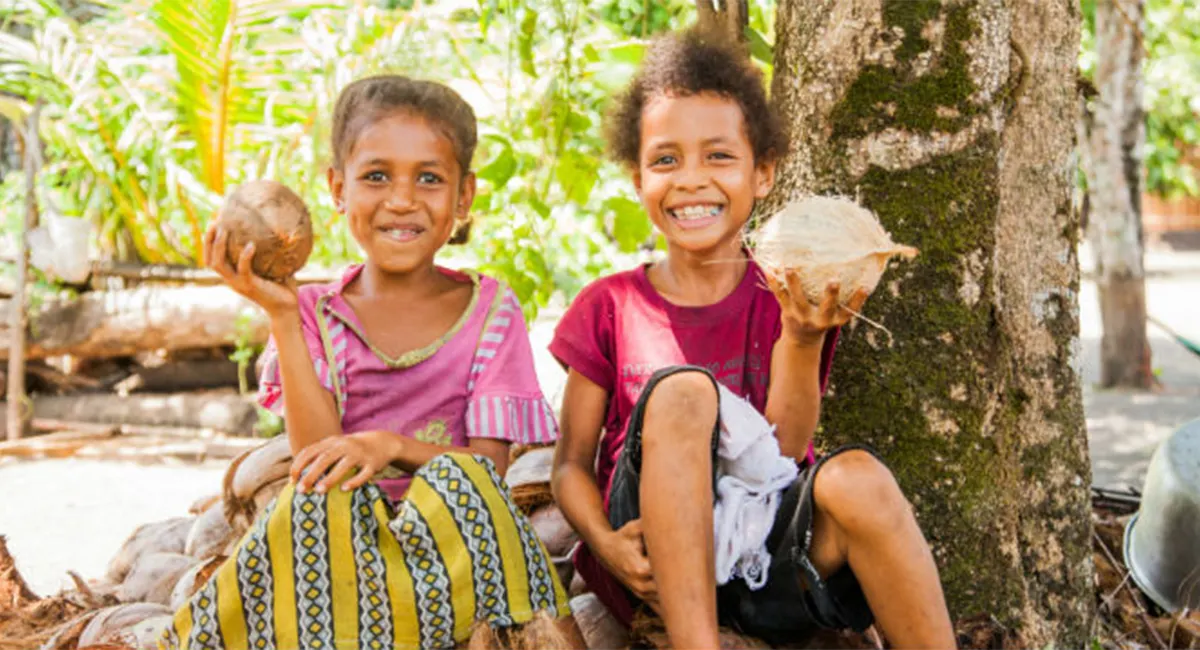
Cool Earth partners with the whole communities in the projects to build their capacity to generate income in the long term. This gives the communities the ability to avoid one-off benefits from logging and clearing, which can destroy all the other benefits they gain from the forest.
The partnership with the villagers aims to make them self-sufficient by producing products such as cacao, coffee and coconut products that generate more income than exploiting the forest.
Extensive research is carried out to determine the most viable and profitable businesses for the local communities. This ensures that the products they grow are suitable for the local area and have a market. Local non-governmental organisations are also engaged to provide necessary support and training.
Other support provided includes training in sustainable agriculture, setting up a poultry cooperative and plant nursery, giving money for seeds, transport and ground preparation.
Cooperatives are established so villagers can share production and transport costs and learn business skills. Growers and producers are also linked with local markets so they can sell their products.
In Wabumari village there is already a registered women’s cooperative that produces curtains, pillow cases, school uniforms, and clothing to sell in the local market.
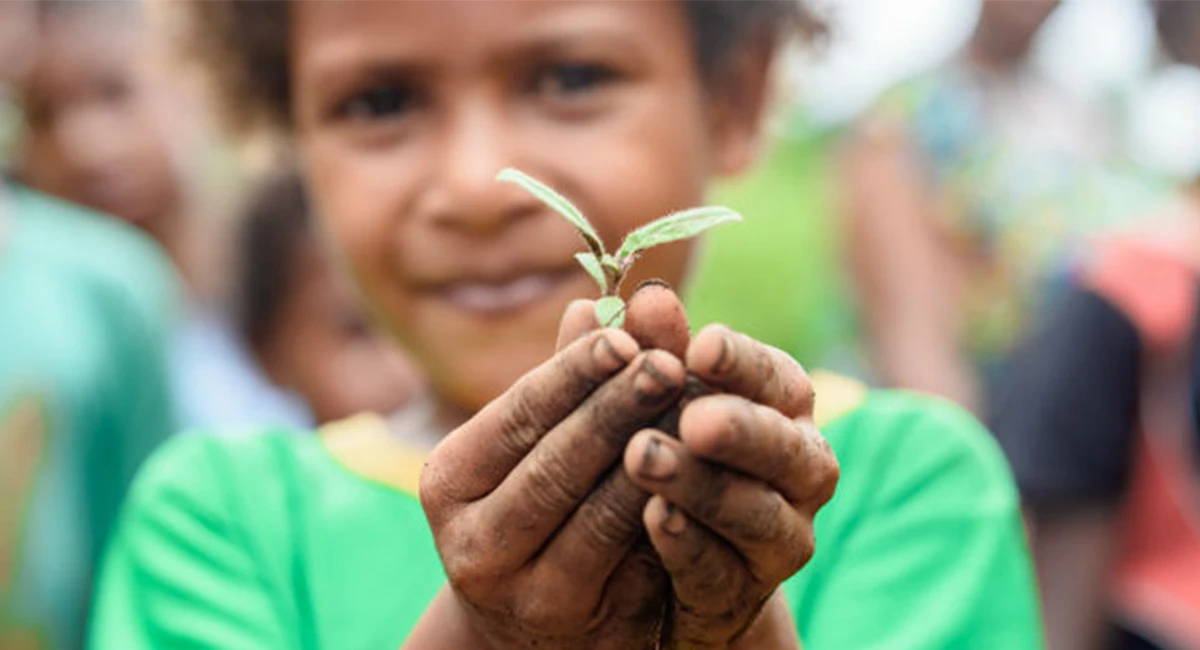
Cool Earth engages with all the communities they support to talk about the complex relationships in the forest ecosystems between the wildlife, plants and the environment. They also recognise that the local communities are the experts in the local forest and have a lot to teach visitors about the forest that villagers have relied on for generations. Local people are hired as biodiversity officers to train and lead community forest watch teams to help protect the forest.
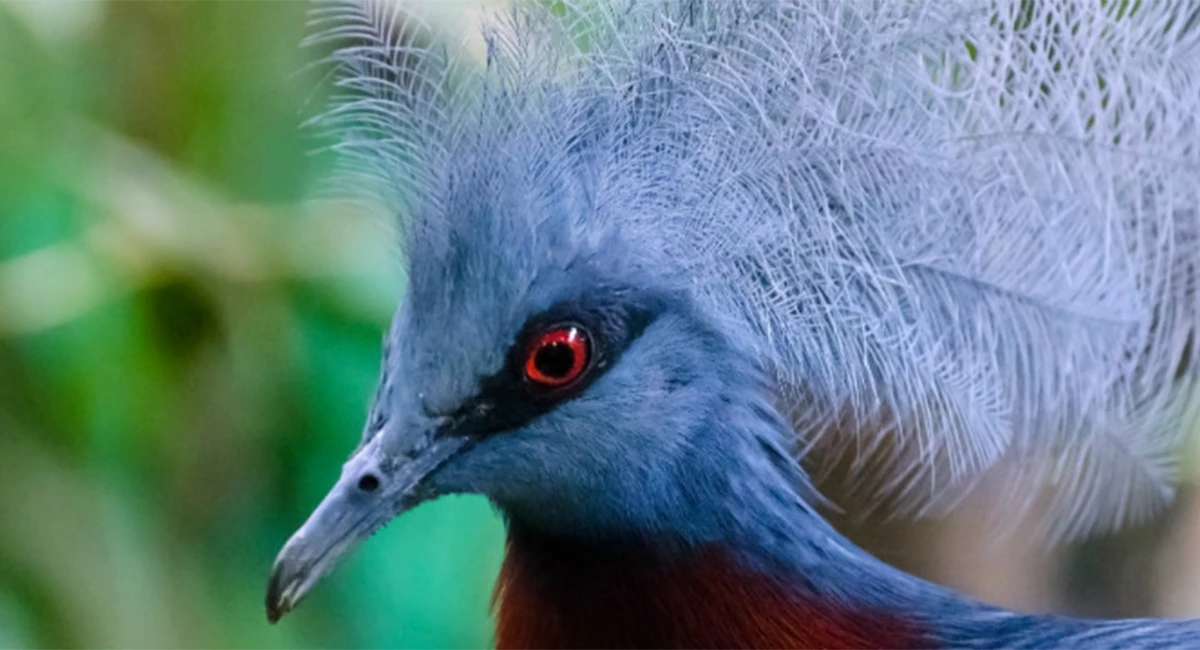
Cool Earth uses camera traps to capture images of threatened species in remote parts of the forest and shares them with the villagers. This shows wildlife close up in situations that they have never experienced. The images are also given to the local schools to use for teaching resources.
In some communities Cool Earth has identified malnutrition in children so has helped to improve the diets of the families, especially increasing protein availability. Animal husbandry techniques were taught to villagers so that they can raise chickens, ducks, and fish to produce a steady supply of nutritious food. Nutrition advice is given to communities where needed and new crops provided that can provide more nutritious food.
In 2013 Rentokil Initial committed to reducing carbon emissions by 20%, which was met in 2016 and so a further 20% reduction target was set for 2020. The partnership with Cool Earth allows the company to go beyond this target by offsetting the company’s total vehicle and property carbon emissions every year and at the same time make a positive contribution to the lives of a vulnerable community.
Andy Ransom, Chief Executive of Rentokil Initial said: “We are already making great progress towards our target of reducing our carbon emissions by 20% by the end of 2020, but we wanted to go further and through Cool Earth’s Wabumari partnership we will mitigate our entire carbon footprint. This is something of great importance to our 37,000 colleagues and is a perfect fit with our mission to protect people and enhance lives.”
Tailored, reliable pest management for homes and businesses, ensuring pest-free spaces for work, life and play