PestNetOnline
Login© 2026 Rentokil Initial plc and subject to the conditions in the Legal statement
Have you ever wondered where spiders go in the winter? If they don’t migrate to warmer areas like other pests, what happens to them when the temperatures drop? In this blog, we asked the Rentokil spider experts all the questions you have on spider behavior during the winter season and the answers may surprise you!
What happens to spiders during the winter depends on the species and as well as environmental variables. In some spider species, the adults will die when the cold weather hits, but the eggs are laid in undisturbed areas that favor their survival outside. Other species can survive the colder temperatures by using an antifreeze-like compound that will prevent them from freezing.
Spiders will typically seek out areas that will protect themselves and their egg sacs from getting too cold, such as under leaf litter and mulch. They will then go into an inactive state of diapause, a period of suspended development, while temperatures remain relatively cold.
Still, other species will remain active in warm hidden areas near moisture and food (other insects) on the inside of homes and commercial buildings.
The conclusion here is: some spiders are very well-equipped to survive the winter.
.2025-05-09-09-00-16.webp)
Spiders are certainly more active in the warmer seasons. When it is warm, there are more insects around. Outdoors, active hunter species like jumping spiders and wolf spiders are more active during the day, actively seeking their prey in mulch areas and around the foundation of buildings. Web-spinning spiders such as house spiders rely on their webs to snare prey. These webs are typically created around lights which in turn attract flying insects.
Indoors, as long as there is warmth, moisture, insects and an abundance of dark nooks and crannies, both active hunters and web-spinning spiders can be found thriving all year round.
Spiders may appear to be more active indoors during the winter, but this may be because many of us are spending more time indoors during winter time.
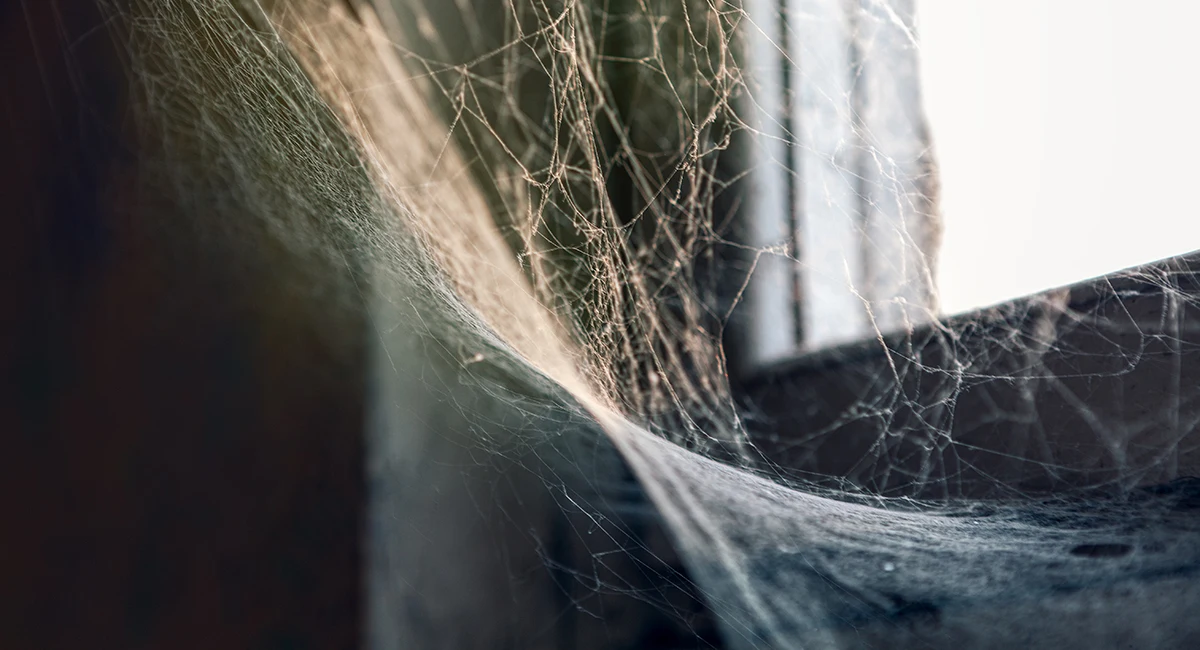
Spiders are commonly found indoors in undisturbed areas in which there is warmth, moisture and other arthropods. These areas include boiler rooms, steam tunnels, storage sheds, garages, dank crawl spaces in basements, storage closets, abandoned rooms, and other dark spaces. Outside commercial facilities, spiders can often be found around lighting around the perimeter of the building, in mulched areas, wood piles, window sills, building foundations, eaves, and areas with heavy vegetation.
Any business that has undisturbed interior areas or areas on the exterior of the building that support the activity and survival of spiders is vulnerable to a spider infestation.
Examples of susceptible businesses include:
There have been a number of stories in the media about spider infestations inside vehicles. In many of these instances, the vehicles already had specific defects that favored spider harborage. The question one needs to ask is: does my commercial vehicle provide a protected area that supports moisture, warmth, and food? In most cases, the answer is “no”.
Spiders do have the capability of entering commercial vehicles, however, this is usually accidental as the conditions of the vehicles do not support long-term growth and survivability for them. Commercial vehicles that will be most susceptible to spider entry and possible harborage will be vehicles that remain stored in commercial garages for long periods of time. Additionally, clutter inside the vehicle can provide a food source and protection for harborage. Grounded semi-trailers with storage can also be susceptible to a spider invasion.
.2025-05-09-09-00-16.webp)
There are a variety of techniques a business can incorporate to not only prevent spiders from entering their facility but reduce their presence on the inside of their property including:
You may have asked the question “Why is it important to allow pest control professionals to handle a spider infestation?”. A professional pest Technician has the training, experience and expertise to effectively identify spider harborage and eliminate these areas. At Rentokil, we have the proper tools and materials to address the areas that the facility manager does not have easy access to such as wall voids, ceiling voids, eaves, crawlspaces and unfinished attics.
Finally, a few spider species are considered dangerous to humans (black widow and brown recluse). These should only be handled by professionals with the right personal protective equipment and tools to effectively manage the problem. If you fear you may have a spider problem in your business learn more about our professional spider control solutions on our website.