PestNetOnline
Login© 2026 Rentokil Initial plc and subject to the conditions in the Legal statement
Birds are among nature’s most majestic creatures, dazzling us with their behavior, nesting, and flight. At the same time, birds can also cause problems for humans, especially when their behavior compromises our safety, structures, and processes.
When left unaddressed, these winged creatures can create several serious issues for commercial businesses. These problems include public health risks, safety hazards, secondary pest problems, loud noise, and severe damage to your building. The consequences are costly repairs and a tainted reputation for your business.
Read on to find out the practical steps you can take to protect your staff and customers from unwanted bird guests and learn how Rentokil can help in the process.
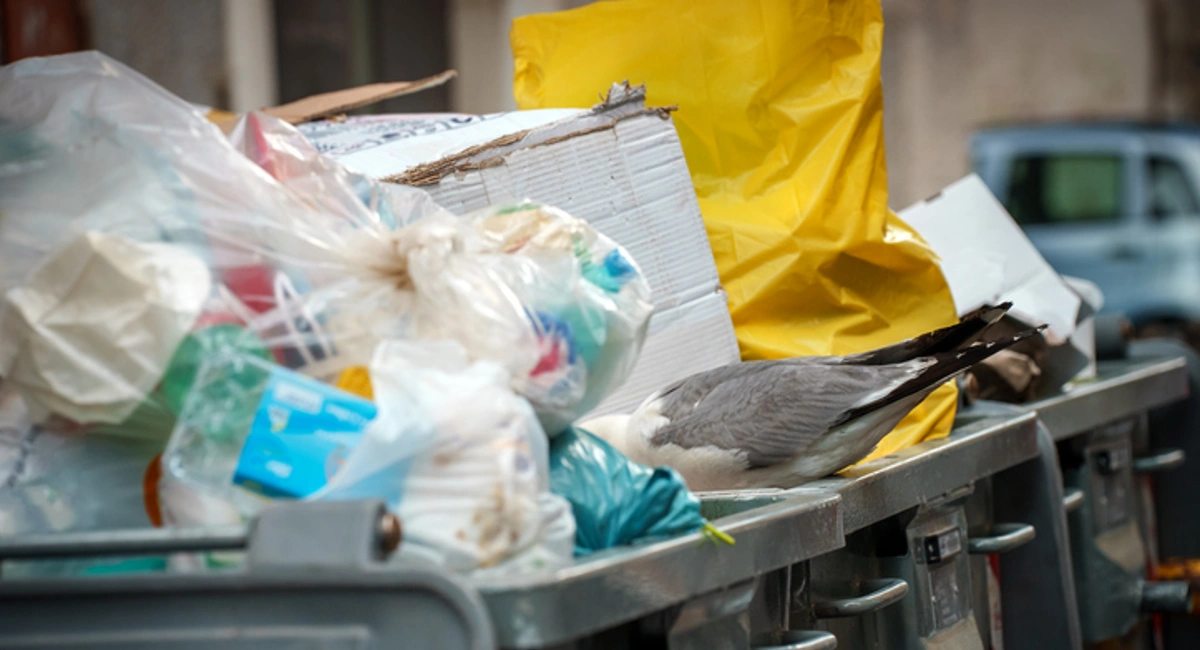
One of the main reasons birds will keep returning to a property is that there is a constant source of food they can depend on. Businesses like grocery stores and restaurants are usually sanctuaries for nuisance birds since they house an abundance of food products. Removing these sources makes them less likely to return and congregate around your property.
Putting up signage around your business asking patrons to refrain from feeding bird visitors such as pigeons and seagulls, and prohibiting the use of bird feeders on balconies can greatly help the cause.
It is important to keep dumpster collection areas away from your facility and continually make sure that the areas are clean and well-managed. All trashcans should have secure lids.
To prevent scraps from being left behind, bus outdoor dining areas as quickly as possible after service. For outdoor areas such as employee break and picnic areas, post signs to encourage self clean-up and ensure that areas are maintained regularly. Additionally, have staff clean up any outdoor food or product spills quickly, such as those around loading docks and shipping areas.
Another way you can make the environment surrounding your property unattractive to birds is by practicing consistent vegetation management which includes regularly mowing and maintaining lawns. To prevent birds from nesting, keep shrubbery and trees trimmed and free of debris and vegetation underneath. To further guard your business, consider installing a fence, barrier, or perimeter fence around bodies of water where possible to discourage geese.
.2025-05-09-09-00-16.webp)
Even with all of these preventative measures in place, birds can still wreak havoc and drive away paying customers from your establishment. Many businesses pay for repeated clean-up services and repairs, not realizing that there are more permanent solutions.
An experienced bird control Technician can design and implement programs, which can reduce long-term costs, but more importantly, help keep your people and property protected. Our specialists understand the protective laws and regulations in place for different bird species and are familiar with the appropriate licensure and permits required to safely carry out bird management services.
There is a wide range of solutions available for bird problems. While not all are appropriate for all species, a few of the most common solutions used include:

Exclusion/ Netting
Exclusion involves keeping birds out of an area through netting, screening, or other physical sealing of an area. This can include equipment, such as HVAC units, by constructing screening that allows the equipment to function properly while keeping birds off of it.
Trapping
Humane live trapping and removal of birds can be effective in some circumstances. This includes routine visits to ensure that food, water, and shade are available for any trapped birds, as well as removal.
.2025-05-09-09-00-16.webp)
Electric track system
To protect ledges and other surfaces, electric track systems can be very useful. These systems prevent birds from landing and perching by providing a harmless but unpleasant shock that lets them know the area is not hospitable.
For a complete list of all our bird control solutions and for answers to all your questions on nuisance birds, download our complete guide to integrated bird management here.