PestNetOnline
Login© 2026 Rentokil Initial plc and subject to the conditions in the Legal statement
Traditionally, termites are viewed as an issue reserved solely for residential homeowners. While it’s true that termites cause damage to approximately 600,000 homes in the U.S. each year1 – your business could be at risk of a termite infestation as well. It’s important to assess your termite risks by identifying conditions that may be attracting termites to your business.
Reducing termite infestations requires preventative measures and regular inspections for termite activity. Review the list of favorable conditions below to see if any of these conditions apply to your business.
.2025-05-09-09-00-16.webp)
Subterranean termites thrive in areas with high moisture levels. If your business has outdoor lawn sprinklers, the perimeter of your building will likely get wet. When water from the sprinklers comes directly into contact with the walls of your building, it can cause direct damage to the structure and provide the moisture termites need to survive. Additionally, this can also contribute to wood-decay fungi development.
.2025-05-09-09-00-16.webp)
Many commercial buildings have extensive landscaping, such as bushes, turf, and wood mulch that come in contact with the property’s exterior. Unfortunately, these materials provide the ideal meal for termites and will give them a direct access point from which they can easily invade the structure. Tree limbs in proximity to or those that hang over the building, as well as tree stumps and firewood piles near the structure, could attract termites foraging for food.
.2025-05-09-09-00-16.webp)
Foam insulation is an energy-conserving addition to a building structure. Although termites do not eat foam board insulation, if the foam board comes in direct contact with soil or is installed below the grade, termites may tunnel through it and enter the structure. Foam insulation boards can also retain moisture, which termites need to survive and thrive, as mentioned previously.
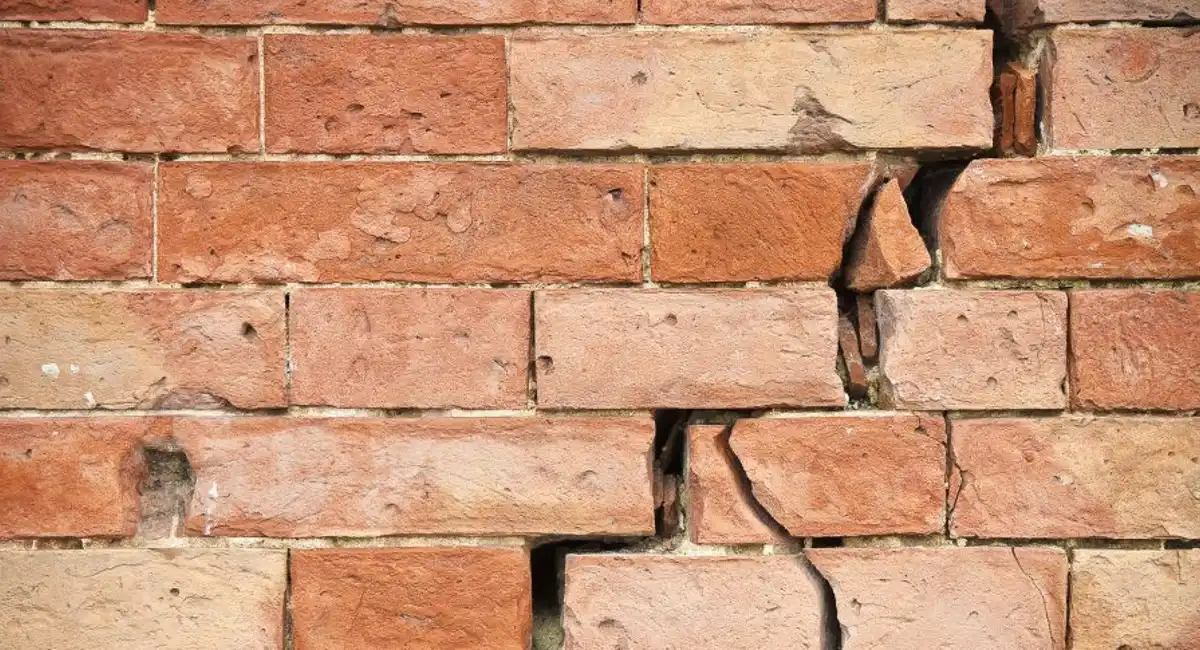
Over time, cracks in concrete can form due to the building foundation expanding and settling. Although they may be visibly small, cracks in slabs of concrete can make your structure vulnerable to an infestation. Termites only need 1/32 of an inch to get through the slab and into the building.
.2025-05-09-09-00-16.webp)
In areas where siding, brick, wood, stucco, or vinyl is installed below grade level or in direct contact with soil, termites can build mud tubes in between the structure’s siding and foundation. This gives termites easy access to food, moisture, and shelter while allowing them to enter the building. Although it may be aesthetically appealing, this makes termite entry virtually impossible to spot.
Termites can be active for years before the damage becomes visible. Spotting the early signs of a termite infestation could save your business thousands of dollars. Look out for these indicators in or around your company’s property:
Although spotting the signs of termites can be quite difficult, knowing the common signs to look for can help protect your commercial property from these extremely destructive wood-eating insects. From food processing to healthcare, no commercial business sector is excluded from the risk of a termite invasion.
Rentokil offers preventive and corrective bait and liquid treatments based on termite species, property conditions, and activity levels. We also offer comprehensive warranties and periodic termite inspections. Our Technicians understand the gravity of a termite problem for your business and are standing by with the industry's most innovative technology and equipment. Contact us today to learn more about how we can protect your business.
1Information on termite damage to homes in the U.S. (approximately 600,000 annually) is sourced from the United States Department of Agriculture(USDA)