myRentokil
Manage your business
Floods are a recurring threat in many parts of Indonesia, especially during the rainy season. But the impact goes far beyond water damage or material losses. Floods also create the perfect conditions for pests to thrive, and when pests appear, disease risks simultaneously go up.
Standing water, decaying waste and high humidity form an ideal environment for common pests such as rats, mosquitoes, cockroaches and flies. These pests don’t just pose a nuisance - they can spread serious illnesses to you and your family.
In this article, we’ll explore the common types of pests that emerge after flooding, the diseases they may carry and practical steps to control them effectively.
In the context of the home environment, pests are animals such as rats, cockroaches, mosquitoes, and flies that pose health and hygiene threats. These pests are more than just annoyances - they are disease vectors.
Where pests go, diseases often follow. Rat infestations can bring leptospirosis, while mosquito bites may transmit dengue or malaria. Floods amplify the risk as these pests are forced to migrate, seeking shelter and food in human dwellings.
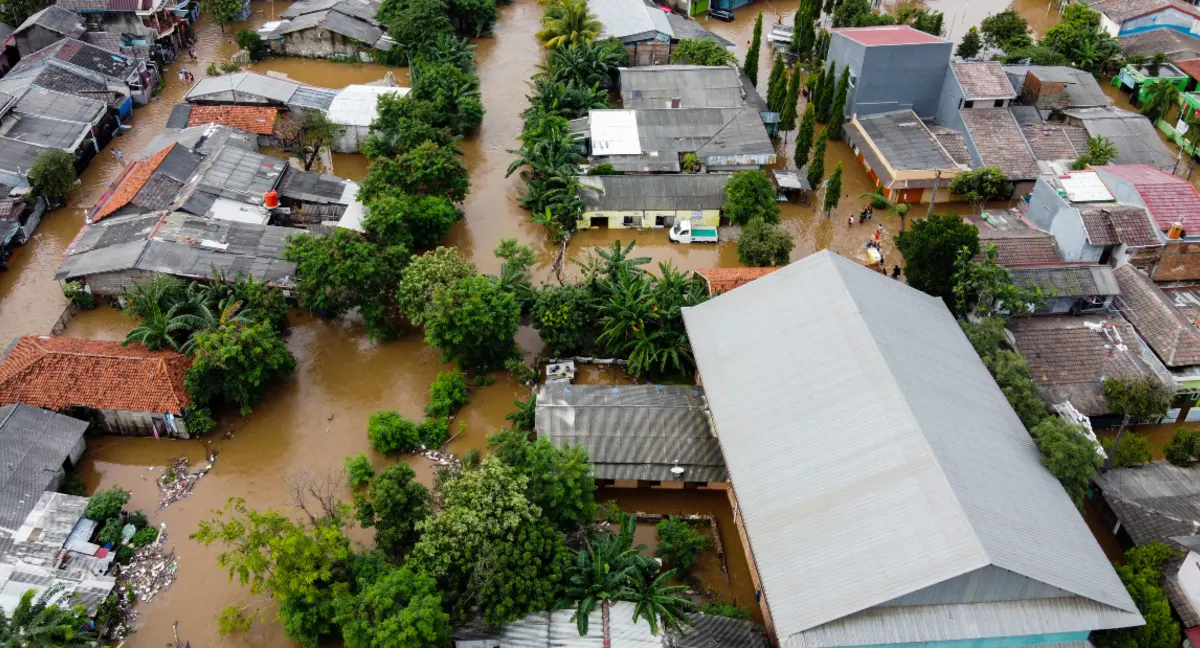
Post-flood environments are highly prone to outbreaks of disease. Not only because of exposure to dirty floodwater, but also due to the surge in pest populations.
This bacterial disease is commonly spread through the urine of infected rats. Humans can get infected through open wounds or contact with contaminated floodwater.
Contaminated water is a major cause of diarrheal diseases and cholera. These illnesses spread rapidly in overcrowded areas with poor sanitation.
Stagnant water left behind by floods becomes a breeding ground for Aedes aegypti mosquitoes, the main vector of dengue fever.
Damp and moldy environments post-flood can trigger respiratory issues, especially among children and the elderly.
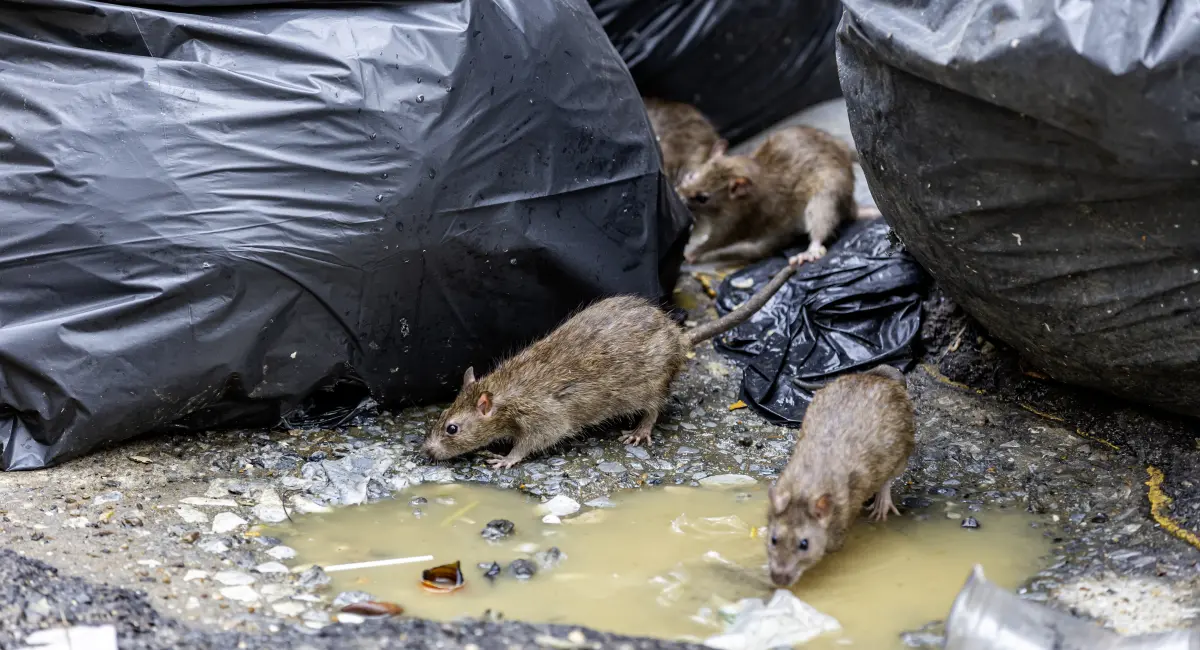
Flood conditions attract a variety of pests, each carrying its own risks. Here are four pests you’re likely to encounter after flooding, and the reason why you need to stay alert before they become a serious health threat.
Flooding forces rats to leave their underground nests and migrate into homes. Rats carry diseases to humans like leptospirosis, salmonellosis and even rabies.
Cockroaches often escape from sewer lines during floods, invading dry indoor areas. As they crawl across kitchen surfaces and utensils, they spread harmful bacteria that can cause digestive infections.
Stagnant water is ideal for mosquito breeding. Beyond itchy bites, mosquitoes can transmit a wide range of diseases, including dengue, malaria and chikungunya.
The buildup of garbage and waste attracts flies. These pests are known to transmit bacteria that cause diarrhea, dysentery and typhoid.
To break the chain between pests and disease, pest control must be taken seriously, especially in the days and weeks following a flood.
Rats after floods can pose a serious health risk, as their urine may carry harmful bacteria that cause infections in humans. Here’s what you can do after a flood to control rat infestations effectively:
After a flood, mosquitoes can breed rapidly in leftover stagnant water, clogged drains and damp areas. To reduce the risk:
Cockroaches and flies thrive in dirty, damp environments. After a flood, these conditions are almost unavoidable. To prevent the spread of diseases caused by these two pests:
Effective pest control is not a one-time fix. It requires an integrated and consistent approach. Addressing only one type of pest isn’t enough; you need to break the entire life cycle to stop re-infestation.
Professional pest control services can help ensure long-term protection. With the right expertise and equipment, pest risks can be significantly reduced before they escalate into health hazards.
During floods, pests seek new shelter and often, that means your home. What might seem like minor pest activity can turn into a serious public health concern if not addressed quickly.
At Rentokil Indonesia, we’re here to help you stay protected. Our certified experts use the latest pest control methods to safeguard your home and family from flood-related risks. Because prevention is always better than a cure.
Call Rentokil today at 150808 or book an inspection via our online form.
Protecting Indonesian homes and businesses for over 50 years