myRentokil
Manage your business
The rainy season returns each year, bringing both calming moments and serious challenges for our homes and surroundings. For some, the sound of rainfall is relaxing, but for our living spaces, this season can trigger unexpected problems. From leaky roofs and clogged drains to stagnant water and disease risks, these issues can arise quickly.
So, how do we prepare for the rainy season comprehensively?
This article outlines essential rainy season preparations, including home maintenance, family health and pest prevention. The goal is to help you maintain comfort and safety throughout the wettest months of the year.
Looking for the best way to prepare for the rainy season? Rentokil recommends these 7 essential tips to help you get ready, minimize the risk of water damage, and prevent pest infestations at home.
Click on any of Rentokil’s recommendations above to read the full tips. With the right preparation, you can protect your home from damage, flooding, and pest threats during the rainy season.
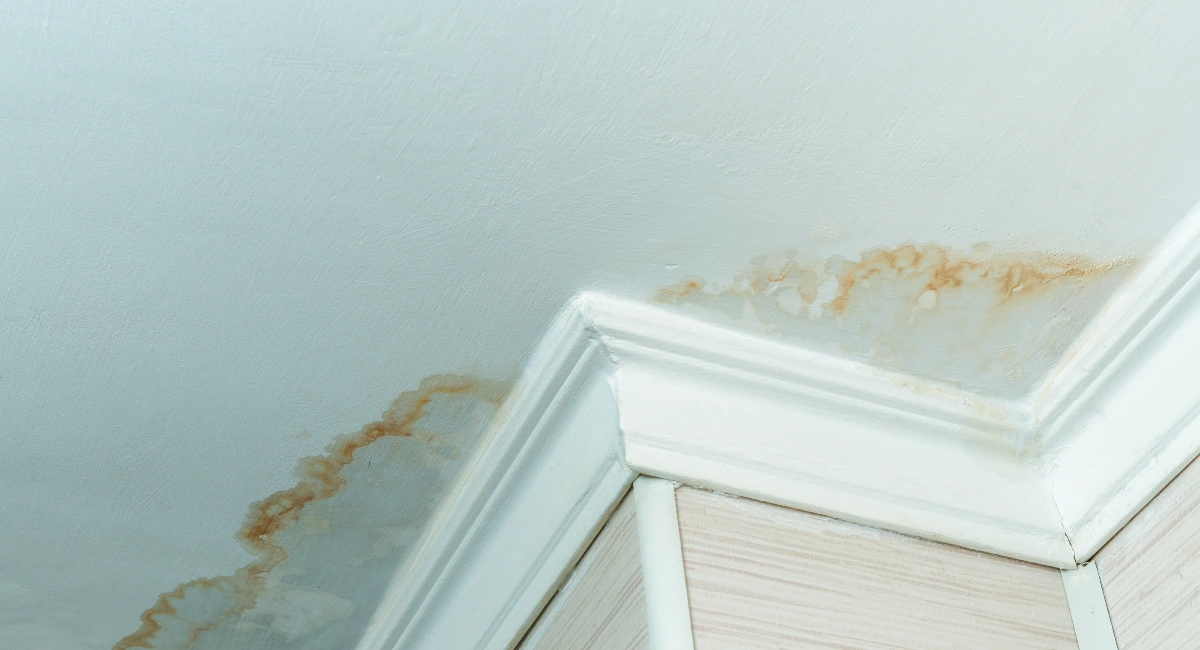
Heavy rainfall is the hallmark of the season, and one of the most common issues is roof leakage. Small leaks that go unnoticed can turn into major problems when the rain pours. Roof maintenance is a key aspect of rainy season home care.
Key tips:
Why is this important? Leaky roofs increase indoor humidity, creating ideal conditions for termites and cockroaches. Keeping your roof in top shape not only helps avoid costly structural damage but also ensures your home remains dry and comfortable. Managing moisture early can keep pests at bay.
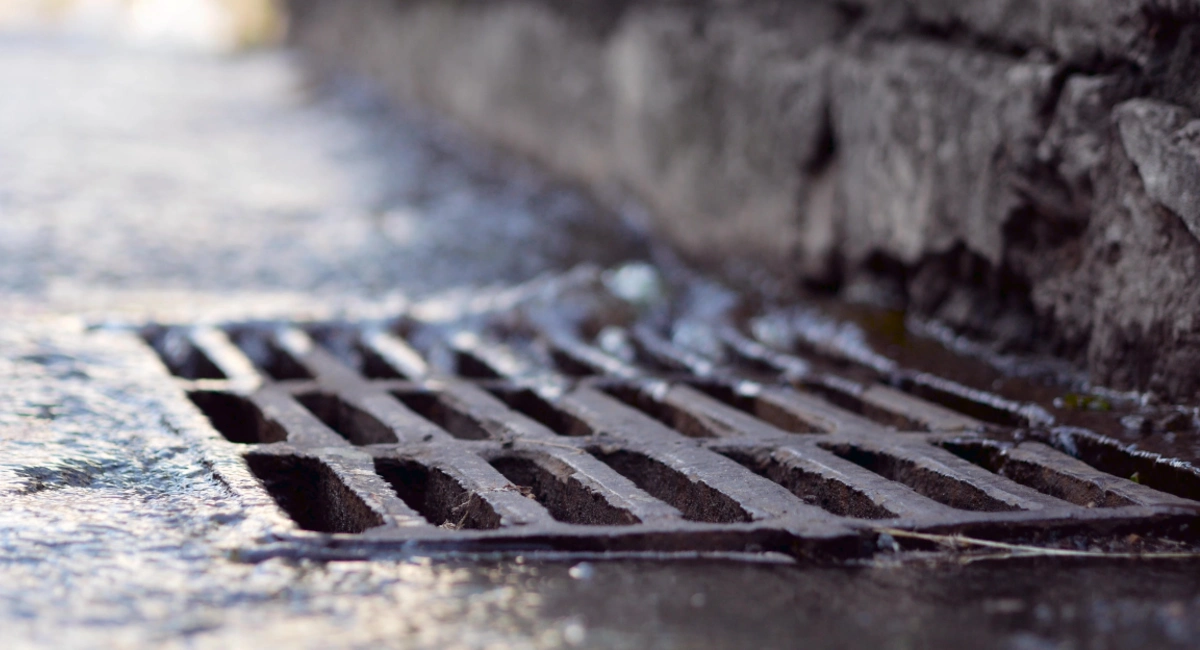
Blocked drains can lead to localized flooding in your yard or worse, inside your home. Leaves, soil and household waste can clog water flow quickly.
Key tips:
Why does this matter? Standing water creates the ideal breeding ground for Aedes aegypti mosquitoes, which spread dengue fever. Even small puddles can rapidly become mosquito breeding grounds, significantly increasing the risk of disease.
High humidity is inevitable during rainy weather, but you can control it indoors to avoid creating a damp, pest-prone environment.
Moisture control tips:
Why does this matter? High humidity impacts comfort and attracts pests like termites and cockroaches. It can also trigger mold and mildew growth on walls and ceilings. Reducing indoor humidity is one way to address both leaks and pest risks during the rainy season.
With the rains come increased risks of various illnesses. In Indonesia, common rainy season diseases include:
Key prevention tips:
It’s important to recognize common diseases during the rainy season and know how to prevent them to protect your family’s health.
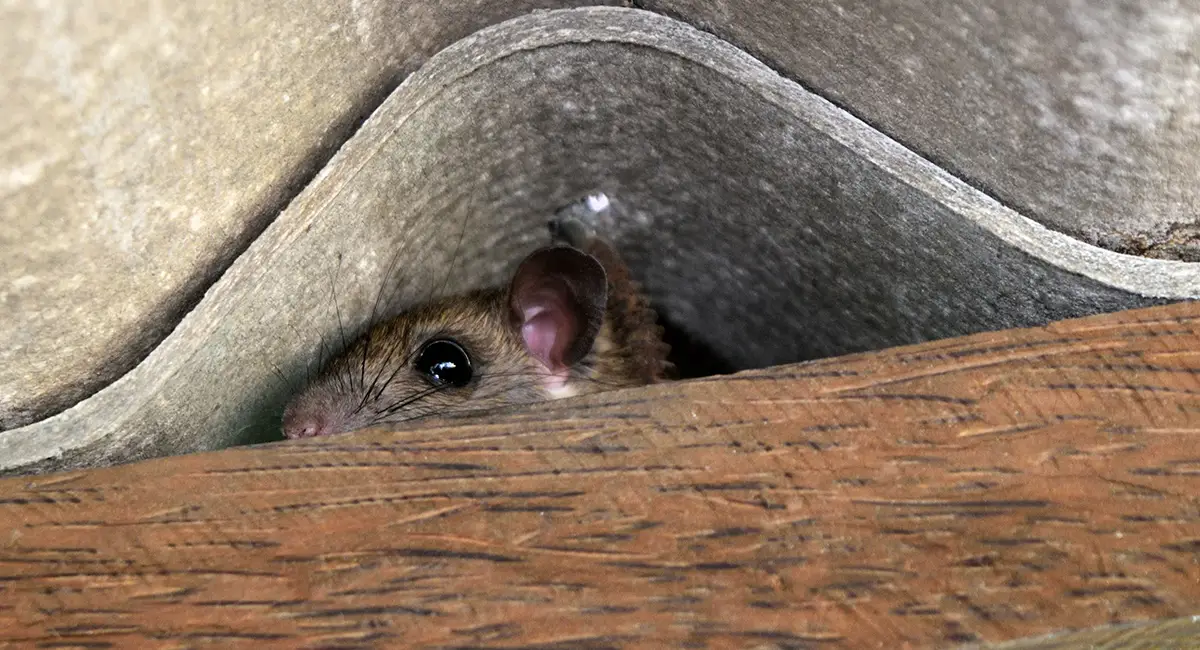
Many homeowners treat pests as seasonal nuisances that they can delay dealing with. But in reality, rainy weather increases pest activity and makes them harder to control. Damp conditions become the perfect breeding grounds for common household pests.
Here are some pests to watch out for during the rainy season:
During heavy rain, rats often move indoors when their outdoor nests flood. Besides damaging property, rats and flooding also lead to various rat-borne diseases.
Termites thrive in moisture-rich environments and are very active during the rainy season. Colonies can infiltrate through tiny gaps and damage wooden structures.
Roaches breed rapidly in warm, moist environments. They lurk in dark, wet spaces and easily spread across the home.
Rain creates stagnant water around homes, which is exactly what mosquitoes need to thrive. Mosquitoes and standing water go hand in hand - remove one and you eliminate the other.
Many people wait until issues arise before taking action. In truth, early rainy season preparation saves time and money.
What can you do?

Rainy weather can bring sudden disruptions: power outages, blocked roads, or even floods. A simple emergency supply keeps you calm and ready when the unexpected strikes.
Essential emergency supplies to prepare, including:
We can’t stop the rain, but we can prepare for it. By taking steps like maintaining your home, keeping the surroundings clean, learning about rainy season illnesses and preventing pest infestations, you can keep your home healthy and comfortable - even in the wettest weather.
If you notice signs of pests like rats, roaches or termites, don’t wait until it gets worse. Call Rentokil at 150808 or fill out our online form - your reliable and friendly pest control partner for every season.
Protecting Indonesian homes and businesses for over 50 years