myRentokil
Manage your business
Given that there are more than 3,000 species of mosquito in the world, it’s likely that several live in your area. To what extent you’ll be affected depends on the climate and your region.
Some mosquitoes are a nuisance for leaving itchy, red, and bumpy bites on us while others are a carriers for some of the world’s deadliest diseases, such as:
If mosquitoes are a regular feature of where you live, you’ll notice that they’re usually active at certain times or just when you’re having a barbecue with family or friends.
Before we discuss tips on how to protect your home from mosquitoes at home, there are a few things you need to know first about mosquitoes:
The carbon dioxide we exhale, components of our perspiration, physical movement, and body warmth attract mosquitoes. Using their long antennae, palps (organs used for detecting scents), and eyes, female mosquitoes can find and pinpoint the location of a human, or other warm-blooded animal, in search of a blood meal.
Only female mosquitoes bite to take a blood meal, while male mosquitoes are nectar-feeders and pose no biting risk. Female mosquitoes bite humans and other animals as a requirement to produce a batch of eggs after mating.
Therefore, most species of mosquitoes can bite multiple times in the need to produce additional eggs. It’s during this feeding cycle that mosquitoes transmit disease organisms through their saliva into the host animal or human.
The biting behavior of the mosquito depends on the species. Some species, such as those belonging to the Culex and Anopheles genera (groups), are more active during the evenings – from dusk until dawn.
Some species are active for very specific segments of time during the twilight hours of dusk and dawn. Other mosquito species, mostly belonging to the Aedes genus, are active biters during the day. This makes it important to have mosquito prevention measures in place around the clock.
Geographically, mosquitoes have spread far and wide. The 1000 or so species of Aedes have a global distribution, with the disease-carrying species mainly prevalent in the tropical and subtropical zones worldwide. Aedes can transmit dengue fever, yellow fever, West Nile fever, Chikungunya, and the Zika virus.
The Anopheles genus (group) exists worldwide, with some (100 of the 460) Anopheles species transmitting the malaria parasite. Their occurrence in a region depends on efforts made to eliminate them and the reintroduction of the disease is a constant risk. Over 90 percent of global incidences of malaria, however, occur in sub-Saharan Africa.
The 1000-plus species of Culex occur worldwide, except in the extreme north temperate zone, and can transmit the West Nile virus and Japanese encephalitis.
So where on your property are you likely to find mosquitoes?
These mosquito stages can be found at the edge, on and in stagnant pools of water such as open ditches and wide areas of standing water. This also includes poorly maintained swimming and paddling pools, containers that trap water, dripping outdoor taps that produce a pool of water, clogged gutters, and even the catch trays of decorative planters.
During the day, most mosquitoes can be found resting in cool, damp, shady areas, primarily on vegetation or under the bark of trees and other protected places.
They can also be found resting on or inside of buildings they have gained access to. Therefore, preventing mosquitoes from coming inside is a highly valuable technique and the first line of defense against unwanted mosquito invaders.
Now that you know where mosquitoes are found and why and when they feed. But can you protect your home and family from their bites? The answer is yes!
Below are several tips to help prevent mosquitoes from entering your property and reduce the risk of you and your loved ones being bitten by them.
If you have a garden pond, add some goldfish as they will eat mosquito larvae. Other creatures that also eat mosquitoes include birds (such as purple martins, swallows, waterfowl, and migratory songbirds), frogs and tadpoles, turtles, dragonflies, and spiders.
You can encourage birds to come into your garden more by placing nesting boxes in it, while dragonflies are attracted to water and water plants such as eelgrass and pond-weed.
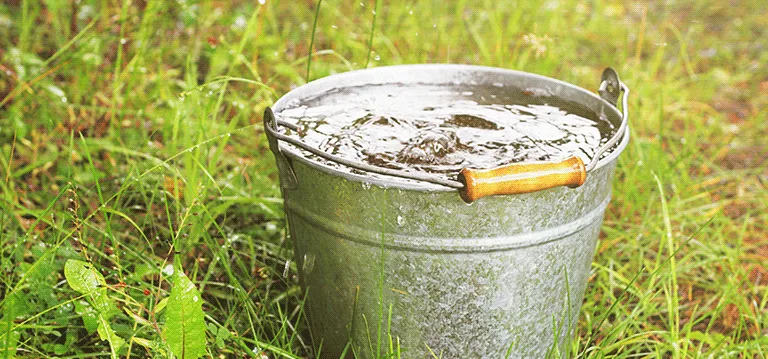
Empty out anything that can trap water, such as the following items:
Once these items are emptied, overturn them to prevent water collection in the future. Remember to also clean and empty pet water dishes regularly.
There are a few things you can do to protect your home from mosquitoes, these include:

Mosquitoes like resting in grassy, leafy areas during the day to avoid the heat and harsh sunlight. By ensuring your gardens or nearby grass and bushes are trimmed regularly; you could prevent mosquitoes from resting near your property and on the building.
Follow these simple tips to reduce your risk of being bitten by mosquitoes.
Studies indicate that some mosquito species are more attracted to dark clothing and readily bite through tight-fitting clothes. Where possible, wear loose-fitting long sleeves and trousers to keep arms and legs covered.

For full protection, use a mosquito repellent that contains an active ingredient approved by a regulatory body in your country. For example, in the US, repellents such as DEET, Picaridin, or IR3535 are approved by the Environmental Protection Agency (EPA).
The CDC, Environmental Protection Agency, World Health Organization, and Environmental Working Group all recommend DEET-based products for heavy-duty protection against a wide range of pests.
While many ‘natural’ repellents are being sold in the marketplace; their ability to protect humans effectively is minimal at this time and does not usually provide adequate repellency for the duration of time most humans need while outdoors. Be safe and use approved products that work.
Effective mosquito control involves identifying, preventing, and minimizing mosquito breeding sites. While the above tips can help to protect your home from mosquitoes, calling an expert is your best bet.
Rentokil’s expertise in mosquito control stems from our tried-and-tested processes and proven techniques to survey, assess, and manage mosquito infestations for residential properties. We offer solutions regardless of the size of your property and use approved products that target mosquitoes.
Our mosquito-control approach includes the following measures:
Get in touch with a Rentokil specialist today by dialing 150808 or simply fill out the online form to schedule your complimentary mosquito survey.
Protecting Indonesian homes and businesses for over 50 years