myRentokil
Manage your business
When the rainy season arrives, most people worry about flooding or roof leaks. But there’s another silent threat you might be overlooking: termites.
As rainfall increases and the air becomes more humid, termites begin to move, multiply and feed often unnoticed until it’s too late. If you live in a termite-prone area, the wet season is the time to be extra vigilant.
Read also: The impact of weather and climate change on common household pests
These tiny pests don’t just damage wood - they threaten the structural integrity of your home. Below, we explore why termites become more active during the rainy season, the signs to look out for and what you can do to prevent or eliminate an infestation.
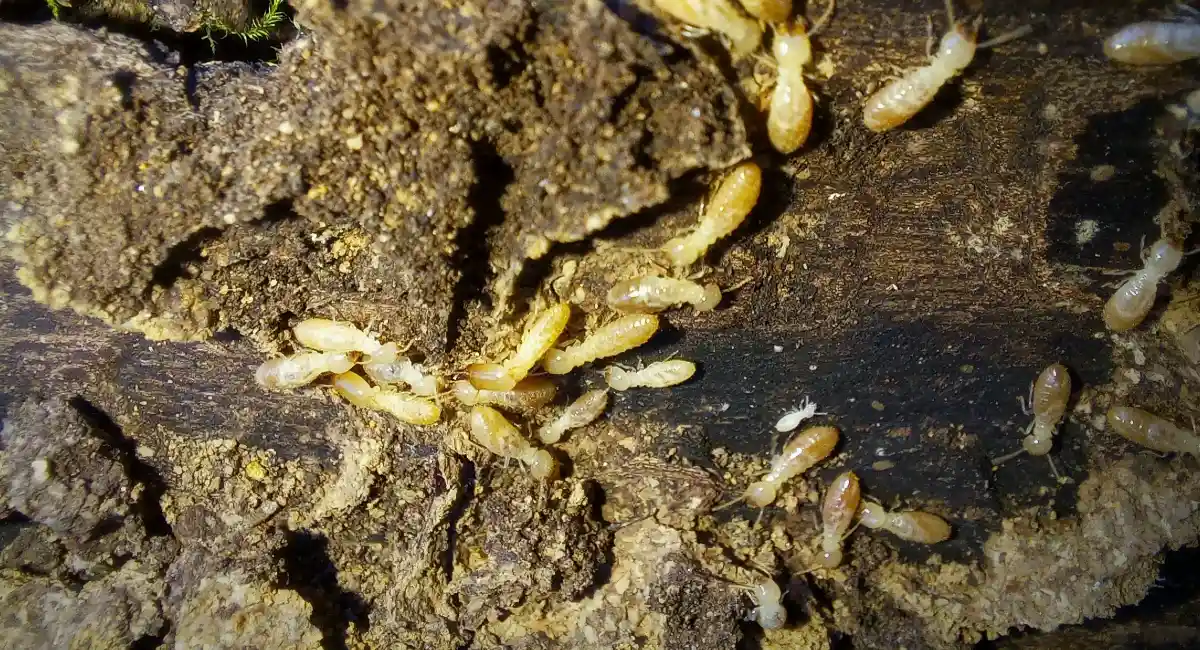
Termites, especially subterranean ones, thrive in moisture-rich environments. The rainy season brings precisely the conditions they need to expand their colonies and invade new territory: your home.
When rainwater seeps into soil, walls and wooden structures, it creates the perfect breeding ground for termites. Damp environments soften wood, making it easier to chew and digest. Moisture also helps subterranean termites travel more easily through the ground or via mud tubes, giving them direct access to your home.
The increased humidity not only makes conditions ideal for movement but also speeds up the termite life cycle. Eggs hatch faster, nymphs mature quicker, and colonies can double in size in a matter of weeks. By the time you notice visible damage, the infestation may already be advanced, especially without early detection or preventative treatment.
During the rainy season, doors, floorboards, ceiling beams and furniture made from untreated or poorly maintained wood tend to absorb excess moisture. This causes the wood to soften or decay over time, making it more susceptible to termite consumption. As a result, these structures become highly attractive feeding sites, putting your home at greater risk of infestation.
Dark, poorly ventilated areas, such as crawl spaces, basements, or under-sink cabinets, retain moisture for longer periods. These conditions create ideal hiding and breeding spots for termites to grow undetected.
The rainy season often signals mating time for winged termites, also known as alates. Once they pair off and shed their wings, they start new colonies nearby. If you spot discarded wings near windows or lights, it's a red flag.
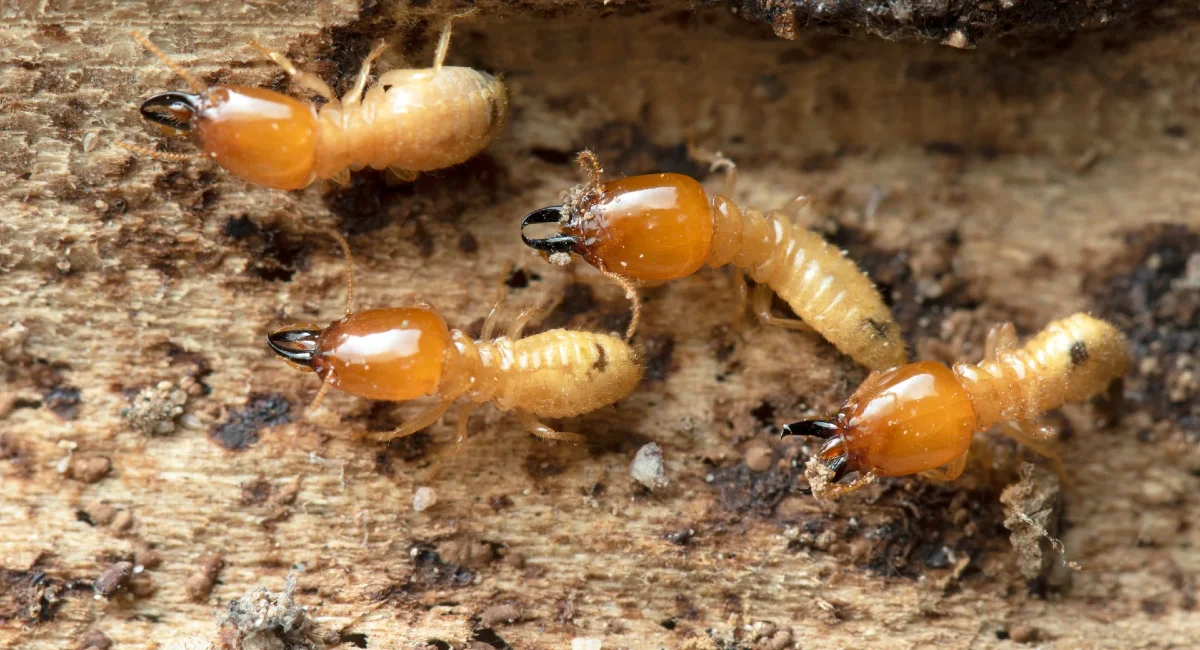
Termite infestations often go unnoticed until serious damage occurs. Knowing the signs can help you take early action:
If you spot any of these, it's time to act immediately.
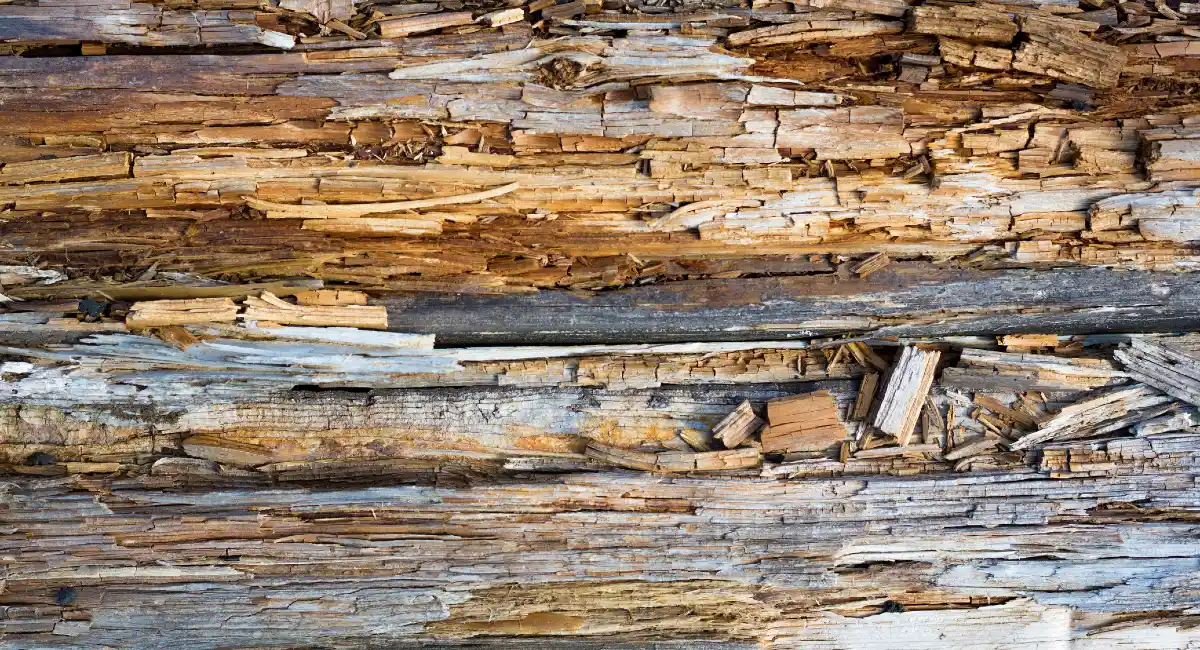
Absolutely. Termites are always destructive, but their impact intensifies during the rainy season. Moisture makes it easier for them to invade, remain hidden and multiply rapidly.
Over time, this leads to rotting beams, warped floors, cracked ceilings and in extreme cases, collapsed roofing or weakened foundations. With decades of field experience, Rentokil understands how critical timing is in minimizing termite damage, and we’re ready to respond when you need it most.
Living underground, this termite species builds mud tubes to reach wood. Moist soil during the rainy season boosts their tunneling, making them especially destructive in wet months.
Attracted to decaying or moist wood, these termites infest wooden structures exposed to rain or plumbing leaks. They’re often found in shaded, poorly ventilated areas.
While less moisture-dependent, drywood termites also become more active during the rainy season due to increased humidity and colony expansion.
You don’t have to wait for visible damage to take action. Here’s what you can do to protect your home from termites:
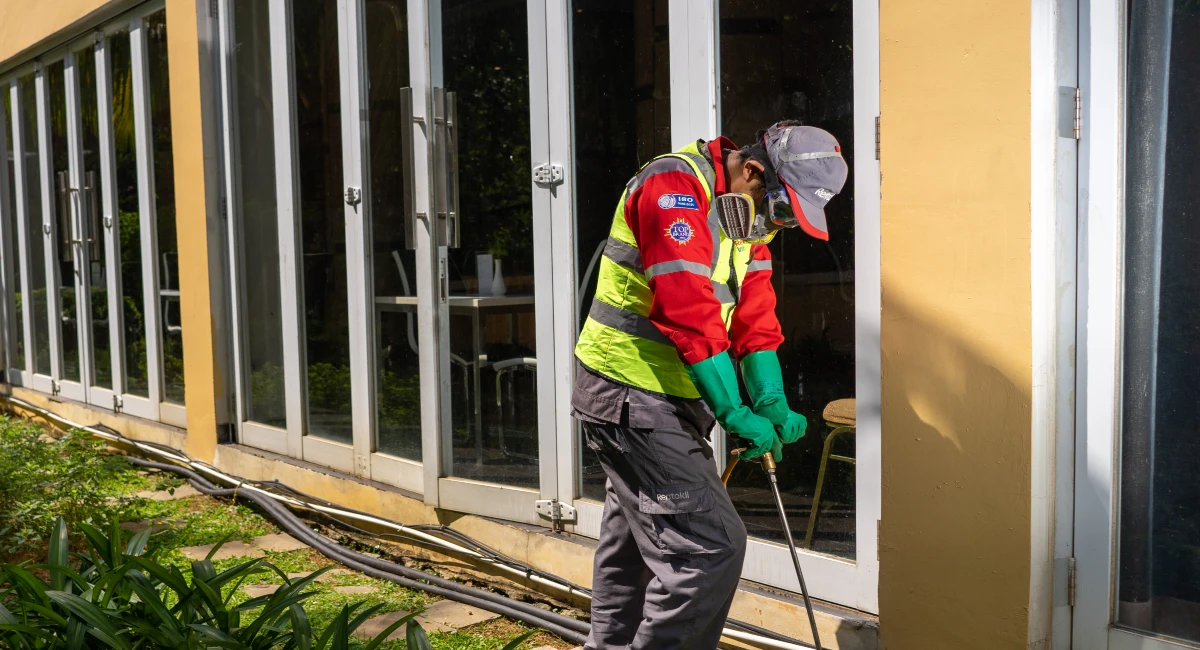
As a trusted pest control provider, Rentokil Indonesia offers comprehensive solutions to help you tackle termite problems effectively, including:
Our certified and experienced specialists conduct detailed termite inspections of your entire property, including hidden or hard-to-reach areas that are vulnerable to termite infestations.
For existing structures, our termite control includes the use of proven termiticides to target subterranean termites. The injection method involves applying liquid treatment into the building’s foundation to create a long-lasting chemical barrier beneath and around the structure.
Termite baiting system approach uses growth-inhibiting active ingredients placed in stations around or within the building. Worker termites carry the bait back to the colony, gradually spreading it and eliminating the entire population over time.
With an integrated approach and advanced detection tools, Rentokil provides long-term, reliable termite control, not just temporary relief.
Yes. Moist ground encourages termite movement toward food sources like damp wood.
Yes. Prevention costs far less than repair. Regular inspections are key.
A small colony can cause significant structural damage in as little as 2 - 3 months under ideal conditions.
The rainy season isn’t just about floods and leaks - it also creates the perfect conditions for termites to invade unnoticed. Recognizing the signs, understanding which termite species are active during this time and calling a trusted termite control service are smart, proactive steps.
Don’t wait until your wooden structures are severely damaged. The sooner you act, the lower the chance termites have to spread and destroy your home.
Need a fast and effective termite solution? Call Rentokil today at 150808 and protect your home from this hidden threat
Protecting Indonesian homes and businesses for over 50 years