PestNetOnline
Login© 2026 Rentokil Initial plc and subject to the conditions in the Legal statement
While bats can provide environmental benefits, including helping to control insect populations and pollinating plants, they can also pose health risks when they enter a business. Bats can carry diseases that can affect humans, including rabies and histoplasmosis. Although rabies cases are rare, proper bat removal and exclusion are essential to protect your business, employees, and reputation.
Our commercial bat removal services provide a long-term solution to infestations, helping to prevent property damage and reduce potential health risks. Before any service, a Rentokil professional will inspect your property and create a customized plan based on your building’s specific needs. Our Bat Exclusion Work is backed by a 1-year guarantee. If bats return to the same space, we will come back to remove them and repair the work.¹
Our experts perform a thorough inspection to locate existing and potential entry points where bats could access your property.
Eviction safely removes bats from your building, ensuring they exit naturally while keeping your property protected from future infestations. Exclusion uses professional tools and techniques, including one-way devices, to seal entry points and prevent bats from returning.
We remove bat guano and sanitize areas where bats were roosting to help eliminate odors and associated health risks.
Our team can return each year to inspect for new entry points and ensure ongoing protection
In many areas, bats are legally protected, especially during maternity season when female bats gather to give birth and raise their young. This season typically runs from late spring through summer (around May through August, depending on location). During this time, removal or exclusion is usually restricted because young bats cannot fly and could become trapped inside if entry points are sealed too early.
Because of these protections, commercial bat removal must be carefully timed and performed using approved exclusion methods once it is legally permitted. Our experts are trained to follow all local, state, and federal regulations regarding bat removal. They assess timing, confirm species considerations, and ensure all work is completed humanely and in full compliance with wildlife protection laws.
Business owners may notice bats roosting on the exterior of a building, under eaves, or inside after gaining access through small gaps. Bats in or around a commercial property can create concerns for staff and customers. Some signs that bats are inside your property can include:
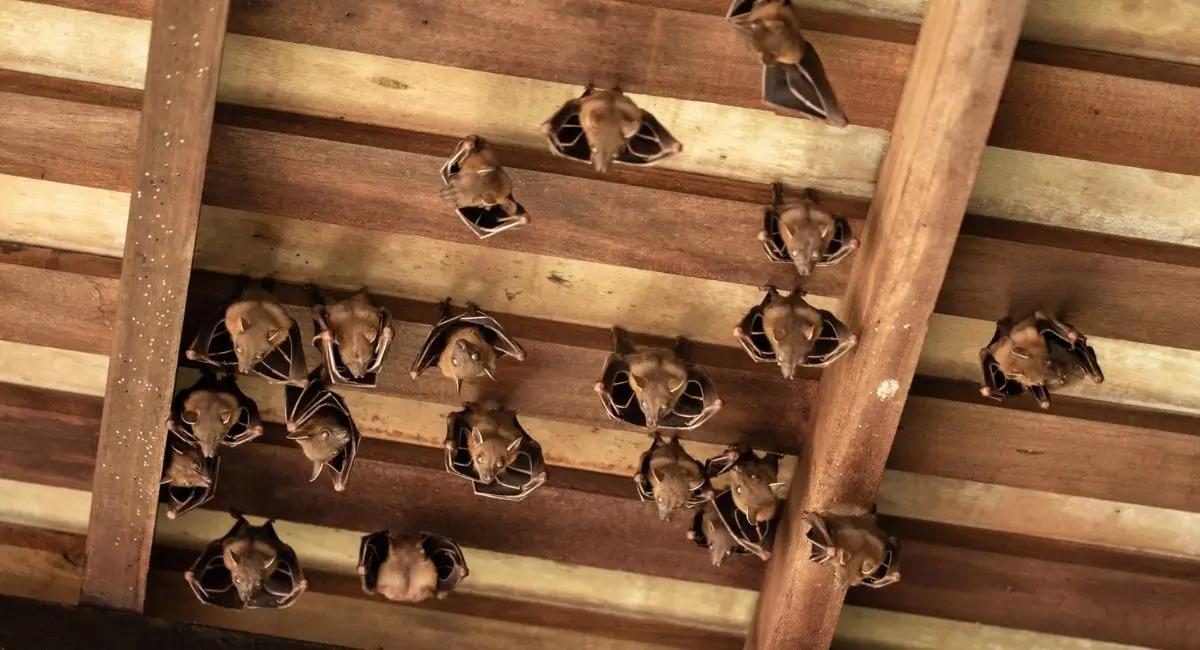
While any business can experience bat activity, older commercial buildings in need of repair can be at higher risk. Properties located near wooded areas or bodies of water may also attract more insects, creating an appealing food source that draws bats closer to the structure.
Bats can gain access to your business through openings as small as the width of a pencil. They may also enter through unscreened vents, uncapped chimneys, and open doors or windows. Because they prefer quiet, undisturbed areas, bats are commonly found in locations such as:
Prevention starts with sealing gaps and structural openings, especially around rooflines, vents, and chimneys. Install proper vent screens, cap chimneys, and repair damaged roofing or siding materials. A professional inspection with Rentokil can help identify hidden vulnerabilities.
Yes, a business can be shut down for a bat issue, especially if it creates a health or safety concern. If bats are found inside areas accessible to employees or customers, local health departments or regulatory agencies may require temporary closure until the issue is resolved.
Other possible consequences can include health code violations or fines, failed inspections, required remediation and cleanup, and damage to your reputation. The best decision for any business owner is to address suspected bat activity quickly with licensed professionals.
Bats can pose serious health risks when inside a building, especially if people come in contact with the bats or their feces. Rabies is a viral disease transmitted through bites that affects the nervous system and is potentially fatal if untreated. Histoplasmosis is a lung infection caused by inhaling fungal spores that grow on bat guano, making proper handling of droppings essential.
In addition to health risks, bat droppings can accumulate quickly and attract pests. Guano and urine can also damage insulation, building materials, and other surfaces.
The cost of commercial bat removal and exclusion can vary depending on several factors, including property size, the type of removal/exclusion techniques required, the size of the bat population, and whether remediation or cleanup is needed. A professional inspection will help determine the best removal methods and provide an accurate, property-specific estimate.
Yes, our commercial bat removal services are safe for both your customers and employees. Our licensed technicians use humane and professional removal methods that minimize disruption and risk. They carefully contain and remove bats while following all health and safety regulations. Proper exclusion and cleanup procedures also help reduce the risk of exposure to droppings, urine, or disease.
Yes, professional bat control is worth it. Attempting to remove bats on your own can be dangerous to both you and the bats. Additionally, because wildlife laws and regulations protect bats, improper removal could result in fines. Our experts have the knowledge, training, and experience to safely handle bats, implement effective exclusion techniques, and protect your property while staying fully compliant with all wildlife regulations.
¹Service terms and additional limitations defined in your Plan. Guarantee applies only to areas where exclusion service(s) performed. Bat removal may only be conducted in accordance with applicable law.