1-855-633-6260 Call us for a free quote Contact us

Common pest bird species for businesses

Many bird species in the U.S. are good to have around, thanks to their attractive plumage and bird songs. However, certain nuisance birds can cause severe structural damage, harvest losses, and brand risks for commercial properties.

When nuisance birds take over your facility, fast and precise action is essential. Properly identifying the specific pest birds on your property matters because their behavior, nesting habits, and legal protection statuses vary drastically by species. Rentokil's commercial bird control experts know how to protect your business with discreet and reliable solutions. 

Learn more about common types of pest bird species found across the country below:

Vulture

Vultures (buzzards)

(Coragyps atratus)

Found abundantly throughout the Southeastern United States, these broad-winged scavengers can soar high above the ground, using their keen eyesight to search for food in the sky. The main problem black vultures pose for businesses is severe structural damage to property due to their destructive feeding habits.

  • Size: 23-25” in length with a five-foot wingspan. 
  • Color: Glossy black in color with whitish legs and a dark gray head.

  • They can live for 10-15 years in the wild and up to 25 years in captivity
  • Hatch one brood of two pale blue-green eggs once a year.
  • Young vultures leave the nest at 63-70 days old

  • Generally feeds on the decaying flesh of dead animals as well as vegetable and fruit matter, including garbage left by humans.
  • Hunts by sight.
  • Prefers open habitats such as lowlands, garbage dumps, or open fields.
  • Lays eggs in building crevices and other cavities.
  • Commonly roost in groups of black vultures and turkey vultures.

  • Large groups blocking entryways, rooflines, or electrical substations.
  • Accumulations of large, highly corrosive droppings around structural supports.
  • Torn roofing materials, caulking, or insulation caused by picking behavior.

  • Federally protected 
Canadian geese

Canada geese

(Branta canadensis)

Canada geese are the most common goose in North America. Unlike other members of this family that are primarily aquatic, this species is mainly terrestrial. They have adapted well to civilization and can be found near park ponds, golf courses, and commercial businesses with spacious exterior landscaping. The main problems these nuisance birds create for businesses are slip-and-fall hazards from droppings and physical safety risks posed by defensive, territorial behavior during nesting season.
  • Size: 22-45” in length with a wingspan of 57”.
  • Color: The body is typically brownish-gray, and the neck and head are black with a white patch on their cheeks.

  • Can live for 10-24 years in the wild.
  • Often mate for life.
  • Typically lay two to 10 white eggs per year.
  • Goslings may leave the nest as soon as 24 hours after they hatch.

  • Feed on submerged vegetation, grasses, clover, winter wheat, and corn.
  • Nest at the edges of ponds, lakes, or swamps, around buildings near bodies of water. 
  • Can go up to 30 days without food.
  • Large flocks can compact soil, stunting grass growth.
  • Carry various diseases and bacteria in the fecal matter.
  • Display highly aggressive territorial behavior, posing severe health and slip-and-fall safety risks to customers and staff. 

  • Heavy accumulations of large cylindrical droppings on walkways, lawns, and loading docks.
  • Audible honking and highly visible ground-nesting pairs near retention ponds.
  • Patches of trampled, compacted, or dead turf grass around building perimeters.

  • Federally protected
Swallows

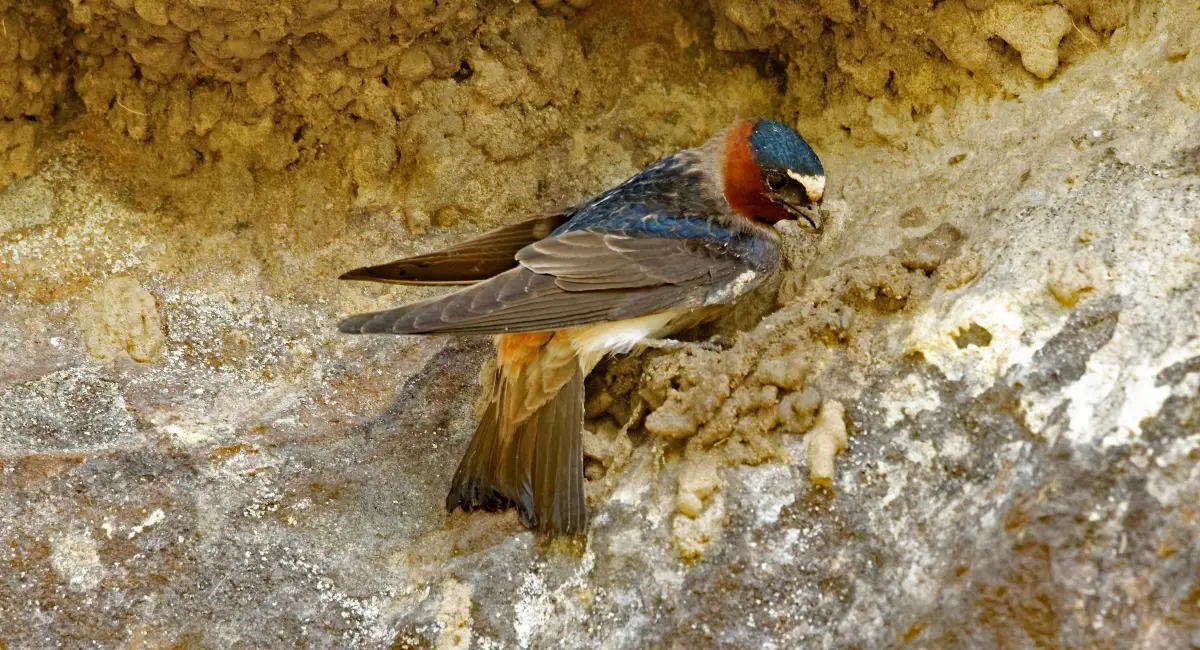
Cliff and Barn Swallows

(Petrochelidon pyrrhonota, Hirundo rustica)

Cliff and barn swallows can be found in 48 states in America and pockets in Alaska. The cliff swallow breeds mostly in the Western half of the U.S. These protected bird pest species can cause problems for businesses and areas of human occupation during their nesting season, as it is unlawful to disturb their nests. They can also make a mess with mud and feces.
  • Size: Five to eight inches
  • Color: Brightly colored blue, orange, gray, and white.

  • Average lifespan of four years in the wild,
  • Breed four to five white eggs each. Nesting and mating season is February through September, depending on geography and species.

  • Feed on insects from just above the ground or water to heights of 100 feet or more.
  • Nests are made of mud, are typically built in protected areas, and are attached to vertical structures under horizontal overhangs.

  • Gourd-shaped or cup-shaped mud structures glued firmly under roof eaves, entryways, or walkways.
  • Feces and fallen mud debris can contaminate pristine walls and pavement below the nests.
  • Swarming aerial flight patterns along building facades as they catch insects mid-air.

  • Bridges and overpasses
  • Culverts
  • Barns or other structures with high ceilings 
  • Sides of buildings 
  • Eaves

  • Federally protected
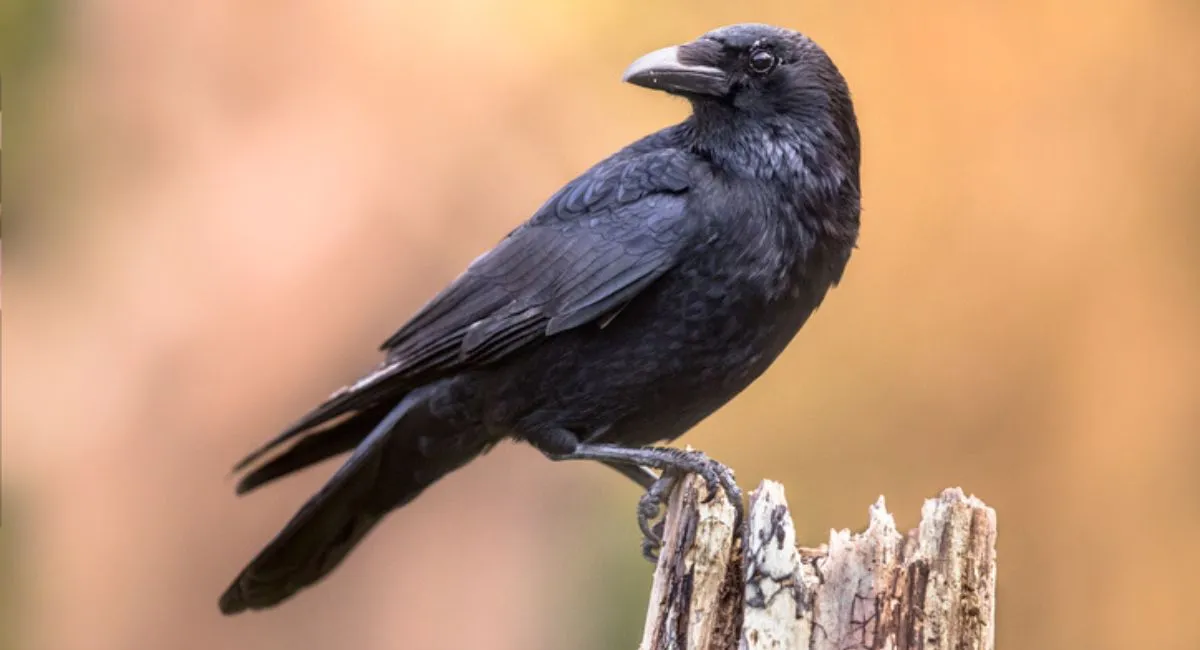
Crows

Crows and Ravens

(Corvus)

Crows and ravens are known for being intelligent and calculated thieves, scavenging for food anywhere from the side of the road to garbage dumps. The main problem these pest birds cause for businesses is the constant scattering of trash and waste, which presents an immediate brand risk and sanitation threat. 

  • Size: Large crows are 20” in length with wingspans of up to 39”
  • Color: Glossy black

  • Average lifespan of 13 years in the wild, possibly over 20 years in captivity.
  • They breed four to six dull blue-green to gray-green eggs, blotched with brown and gray.

  • Feed on insects, fruits, nuts, and smaller animals. 
  • Nests in trees or large shrubs, 10-70' above the ground.
  • May scatter garbage or transmit disease in feces.

  • Loud, persistent cawing or croaking coming from rooflines, trees, or dumpster enclosures.
  • Trash thrown extensively across parking zones due to systematic bin raiding.
  • Large communal roosts gather on structural ledges at dusk.

  • Federally protected
Grackles

Grackles

(Quiscalus)

This large blackbird is found throughout the eastern and Midwestern regions of the United States and is commonly seen on lawns outside businesses, carefully searching for insects to devour. Grackles can cause extreme sound disturbances for businesses and localized fecal contamination from massive communal flocks. 
  • Size: Adults are 11-13”
  • Color: Usually glossy black with a purple-blue or blue-green neck and breast area

  • Can live up to 22 years in the wild, but only half of all adult grackles make it to adulthood.
  • Typically breeds one to seven eggs per year, between March and July. 

  • Feed on insects, berries, seeds, waste grain, and smaller animals such as frogs and lizards.
  • Nests are often well hidden in the branches of dense trees or shrubs, under eaves, or on rafters.
  • Causes millions of dollars in crop destruction.

  • Massive, noisy flocks gathering in trees or across parking area light poles at sunset.
  • Heavy dropping accumulations covering customer vehicles and walkways.
  • Aggressive food-stealing behavior around outdoor seating zones.

  • Federally protected
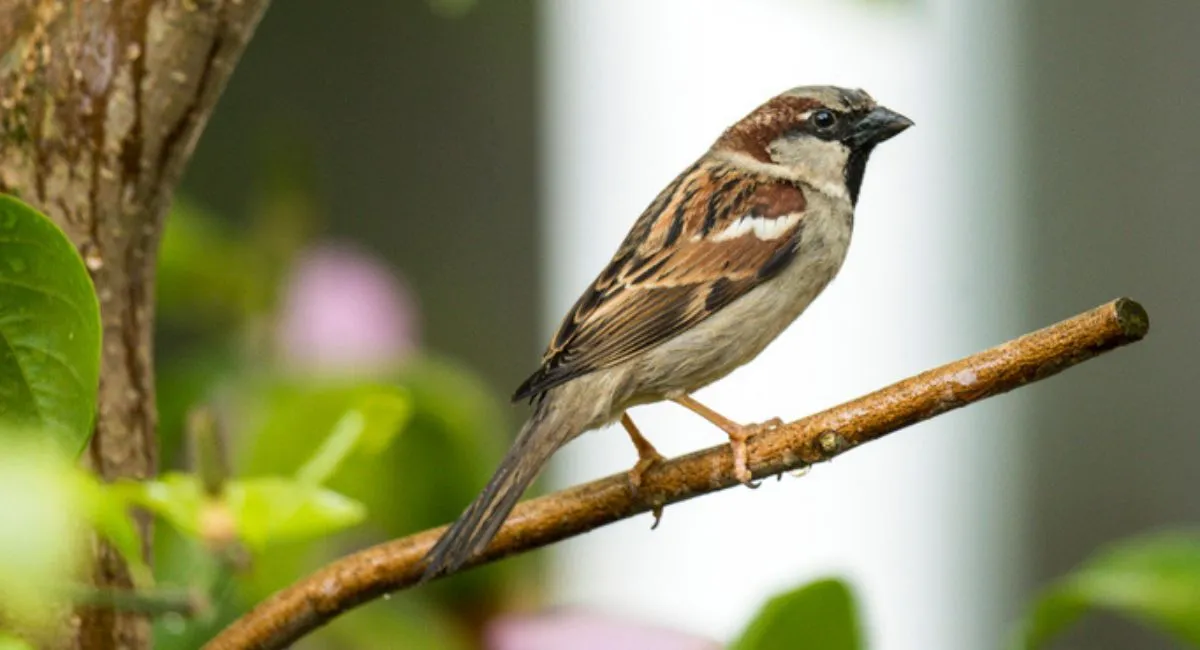
House sparrows

House sparrows

(Passer domesticus)

The house sparrow is a significant bird pest to the food industry due to the risk of contamination from their droppings and the damage they cause to packaged goods.
  • Size: Less than six inches long
  • Color: Males can be identified by their grey crown and black throat “bib,” while females and young are mostly plain brown.

  • Live for four to seven years, with up to five breeding seasons.
  • May have up to three broods of four to six eggs during the breeding season (spring and summer).

  • Feed mostly on grains and seeds, as well as tree and plant buds, sprouting plants, flowers, and soft fruits.
  • Same nest will be used every year, resulting in a build-up of nest debris and insects associated with their nests.

  • Small birds flying inside warehouse rafters or retail selling floors.
  • Pecked, broken, or compromised product packaging in inventory zones.
  • Bulky, chaotic nests composed of grass and feathers stuffed inside wall gaps or sign letters.

  • Interiors
  • Corrugated steel
  • Dryer vents
  • Building signs and lettering

  • Not federally protected
Pigeons

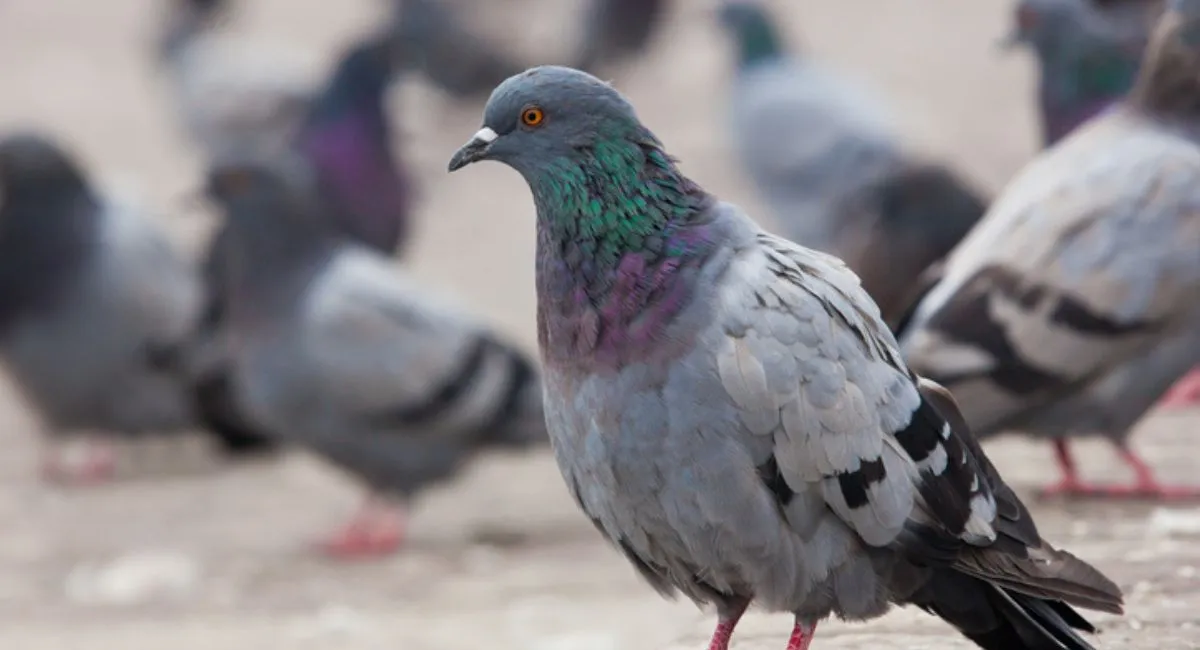
Pigeons

(Columba livia)

Also known as city doves or street pigeons, they are descended from wild rock doves. They thrive in an urban environment and only require the smallest amount of shelter on buildings. These pest birds can cause severe structural damage and safety concerns for customers and employees. 
  • Size: 11” - 32"
  • Color: Most commonly gray with black bars across feathers and tail, reddish feet

  • Two to three broods per year, with two eggs in each clutch.
  • Young pigeons leave the nest at four to six weeks of age.
  • Domesticated pigeons often live for 15+ years, but in more urban areas, they usually live for three to four years.

  • Feeds on seeds, grains, and domestic scraps in and around cities.
  • Nests on ledges and steeples.
  • Droppings are corrosive and can cause human slips and falls.
  • Carry diseases such as salmonella, food poisoning, and more.

  • Fecal staining across architectural facades, entry canopies, and sidewalk paths.
  • Constant cooing sounds echoing from roof structures or sheltered window alcoves.
  • Debris from loose, unorganized nests blocking roof drainage systems.

  • Ledges
  • Pipes, beams, or other covered vantage points
  • Rooftops
  • HVAC units
  • Behind signs
  • Under bridges
  • Barns
  • Grain silos
  • Around solar panels 

  • Not federally protected
Seagulls

Gulls

(Laridae)

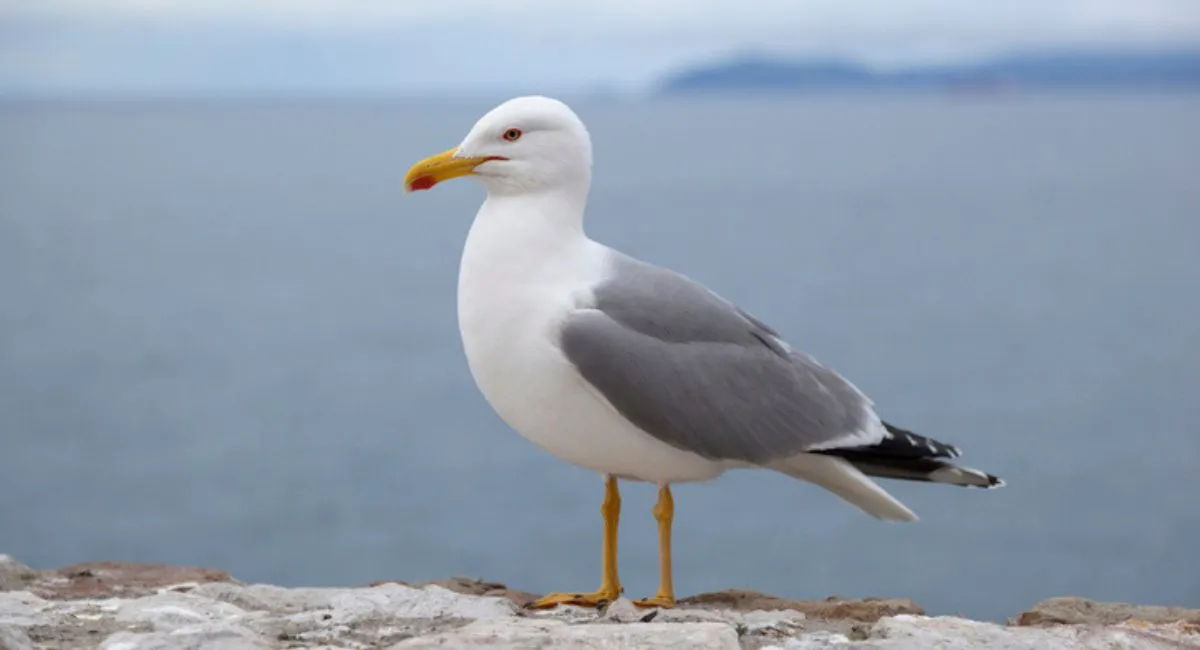
Though commonly referred to as “seagulls,” these birds are properly named “gulls.” They are often found in coastal towns and cities, and only a small number are recognized as being pest bird species, such as the Herring gull (Larus argentatus). Their aggressive food-scavenging behavior can threaten customer safety and ruin outdoor brand experiences. 
  • Size: 17-26"
  • Color: Ranges from whitish-grey to brown or black

  • One brood per year with two to three eggs in each clutch.
  • Lifespan is about 20 years.

  • Often perch near food sources.
  • Loud and competitive scavengers.
  • Commonly eat fish, crustaceans, eggs, and insects.
  • Usually nest in colonies on cliffs and flat roofs of buildings.

  • Screeching cries around roof zones or waste management areas.
  • Flat roof surfaces covered with food scraps, dropped bones, and organic debris.
  • Aggressive swooping behavior directed at employees or customers carrying food.

  • Federally protected
Starlings

Starlings

(Sturnus vulgaris)

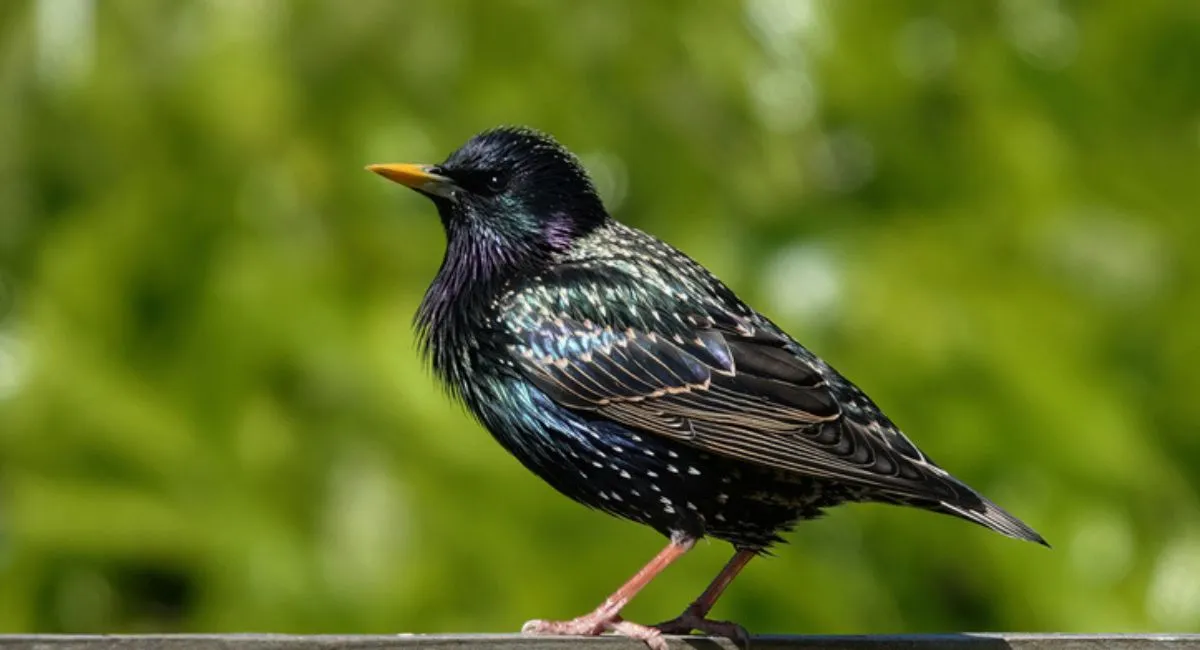
Starlings were originally introduced to North America in 1890. From the fifteen pairs that survived, starling populations have increased a million-fold. Today, starlings can be found throughout the United States. These bird pests can cause the spread of airborne disease strains and contaminate business HVAC intake units.

  • Size: Seven and a half to nine inches long with pointed wings and a short tail
  • Color: Appears to be plain black, but feathers may appear iridescent green or purple in the light

  • Rear up to two broods of four to six eggs each year, in April and May.
  • Young starlings stay in the nest for about three weeks.
  • Breeding can extend into June and July if conditions are favorable.

  • Nest in cavities in trees or buildings.
  • Feed on the ground, away from roosting sites.
  • Agricultural pest of standing crops, but will also flock into cities in large numbers.
  • Associated with over 25 diseases.

  • Enormous flocks landing on power lines or building frameworks.
  • Heavy, dark fecal mist covering entry tracks and ventilation intakes.
  • Nesting grasses protruding from warehouse pipe ends or signage gaps.

  • Not federally protected
Woodpeckers

Woodpeckers

(Picidae)

Woodpeckers get their name from their feeding habit of routinely pecking at wood for food, shelter, to establish territories, and to attract mates. Their noisy drilling can be quite a nuisance for businesses and even cause severe structural damage.

  • Size: Seven to 15 inches  
  • Color: Varies greatly between species, but most males have red heads, and many species have black and white marks with stout, sharply pointed bills

  • Can live for four to 12 years in the wild.
  • Depending on the species, there are one to two broods per year with three to six eggs each. 

  • Feed on insects such as wood-boring beetles, ants, grasshoppers, berries, and seeds.
  • Woodpeckers excavate a nest cavity in dead wood or sometimes a living tree. They will also use an abandoned hole, fence post, utility pole, or birdhouse if necessary.

  • Rhythmic, loud drumming sound echoing off exterior structural walls or metal caps.
  • Perfectly round holes drilled systematically into wood siding, synthetic stucco, or EIFS panels.
  • Frass or wood shavings collecting along structural baseboards.

  • Hospitals
  • Landscaped trees
  • Any business with stucco siding 

  • Federally protected

How to help keep nuisance birds away from your business

When bird populations become established, DIY methods are rarely enough. Rentokil provides comprehensive commercial bird control services customized to your property's unique pest challenges. Our expert technicians specialize in Integrated Pest Management (IPM) practices to implement long-term deterrents, including:

  • Professional bird netting: Heavy-duty netting to completely block birds from entering loading docks, roof areas, and warehouse structures.
  • Audio and visual deterrents: Specialized sound devices and visual tools that humanely scare birds away from open outdoor spaces.
  • Structural spike strips and wire setups: Low-profile bird spikes and tensioned wires that stop pigeons and gulls from landing on ledges and rooflines.

We manage federally protected species in full compliance with the law, helping your business maintain high health codes, pass inspections, and protect your brand reputation.

Contact Rentokil today to set up a comprehensive property inspection and keep pest birds away from your business.

Choose your industry

Get in touch

Contact an expert

How to get rid of birds

Find out how Rentokil can help