PestNetOnline
Login© 2026 Rentokil Initial plc and subject to the conditions in the Legal statement
Your employees are the heart of your organization. They are the ones doing the hard work of providing service to your customers. Every day, they come from their homes to your facility – and bring with them the risk of pest introduction.
That’s right: your employees could inadvertently be bringing pests into your facility. When employees have pest problems at home, pests can hitch a ride on employee personal belongings. Coats, shoes, briefcases, backpacks, and clothing can all be a vehicle for pests to travel right into your facility.
It can be an uncomfortable conversation for any manager to have with an employee. Having a clear policy for how employees should store personal items when at work can reduce the chances that you may have to have that conversation.

More often than not, the pests that employees introduce to your facility are small, insect pests – most people would notice a mouse hanging out in their backpack.
The most common insect pests that Rentokil sees introduced into workplace environments are:
It’s important to have an employee personal item storage policy and be sure that all of your employees understand it. Then, it’s up to management to enforce the policy.
.2025-05-09-09-00-16.webp)
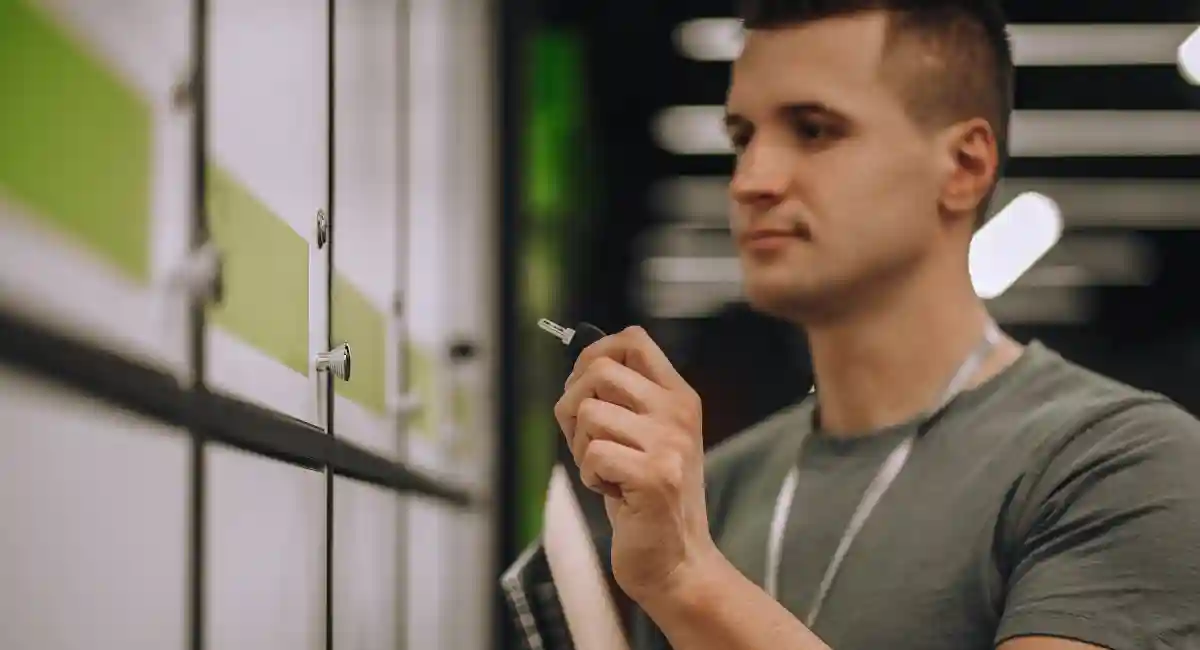
Although policies can range in detail and depth, there are a few basics that any employee personal item storage policy should adhere to:
Whatever your policy, it is critical that your pest management provider has access to employee personal item storage areas so that they can conduct inspection and treatment of the areas, as necessary.
Understandably, your employees may not want someone working in the space where their personal items are secured. Rentokil suggests having a regular (a minimum of once a month) clean out of the employee personal item area. All lockers, shelves, etc. should be emptied and left open for treatment. This can also help with general sanitation, as it will prevent old food and other items from being left in these areas for long periods of time.
Quarantine anything “left behind” during these cleanouts to a separate area for the employees' later retrieval. Quarantining can be done by sealing items in sealable plastic bags and will ensure that if an item happens to be the source of a pest issue, pests will not be able to spread to other areas.
Obviously, every operation and their employees are unique. What your business does, your facility’s layout, and your company culture will influence your policy. For example, how a restaurant addresses personal item storage, where there is an elevated need to protect food from pests, may be different than how an office where no product is produced manages employee personal item storage.
There are a number of additional best practices to consider in establishing an employee personal item storage policy. You may want to involve your human resources department to ensure that policies are appropriate to protect both the business and the employee. To get more pointers, download Rentokil’s Employee Personal Item Storage Best Practices card.
Rentokil can help you address even the most complex pest problems. Contact us today for help.