+85229546888 Call now! Request a callback

Protecting Your Pets: Common Pest Transmitted Diseases And Treatments

Pets are not just animals; they are our companions and, for many, a part of the family. As such, their health and well-being are of utmost importance.

Unfortunately, various pests can pose significant health risks to our furry friends. Understanding these risks, recognizing the symptoms, and knowing the treatment options can help keep your pets safe and healthy.

Here, we'll explore some of the most common pest-borne diseases affecting pets, focusing on those transmitted by mosquitoes, bed bugs, ticks, fire ants, and mold exposure.

1. Diseases Transmitted by Mosquitoes

Heartworm Disease

  • Symptoms: In the early stages, pets may show few or no symptoms. As the disease progresses, symptoms can include a mild persistent cough, reluctance to exercise, fatigue after moderate activity, decreased appetite, and weight loss.
  • Treatment: Prevention is the best approach, typically involving monthly medications prescribed by a vet. If a pet is infected, treatment can be complex and may involve several rounds of adulticide therapy, which can be taxing on the pet’s body.
  • Preventative Measures: Limit standing water (where mosquitoes breed), use mosquito repellents suited for pets, and ensure your home has good screens on windows and doors. Additionally, some outdoor ecological solutions like In2Care mosquito prevention devices would control mosquito reproduction from the root, in a non-toxic way.
pest borne diseases affecting pets

2. Diseases Transmitted by Bed Bugs

While bed bugs are primarily known for causing discomfort and skin reactions in pets, they are not known to transmit diseases directly. However, their bites can lead to:

  • Symptoms: Skin irritation, excessive scratching, and secondary skin infections.
  • Treatment: Treating bed bug bites involves managing itching and discomfort. Veterinarians might prescribe antihistamines or corticosteroids. Eradicating bed bugs from your home is crucial and typically requires professional pest control services.
  • Preventative Measures: Regularly check your pets for bed bug infestation signs. Maintain cleanliness and vacuum often to help manage bed bugs. If found any bed bugs signs, contact pest exterminators to remove them professionally.

3. Diseases Transmitted by Ticks

Lyme Disease

  • Symptoms: Fever, swelling in joints or lameness, swollen lymph nodes, lethargy, and loss of appetite.
  • Treatment: Antibiotics are effective, especially in the early stages of the disease.

Rocky Mountain Spotted Fever

  • Symptoms: Fever, skin lesions, lack of appetite, cough, abdominal pain, vomiting, and joint pain.
  • Treatment: This condition is also treated with antibiotics. Early treatment is critical to prevent severe complications.

Preventative Measures: Regularly check your pets for ticks, especially after walks in bushy areas. If any tick bite symptoms are found, ask a vet clinic asap.
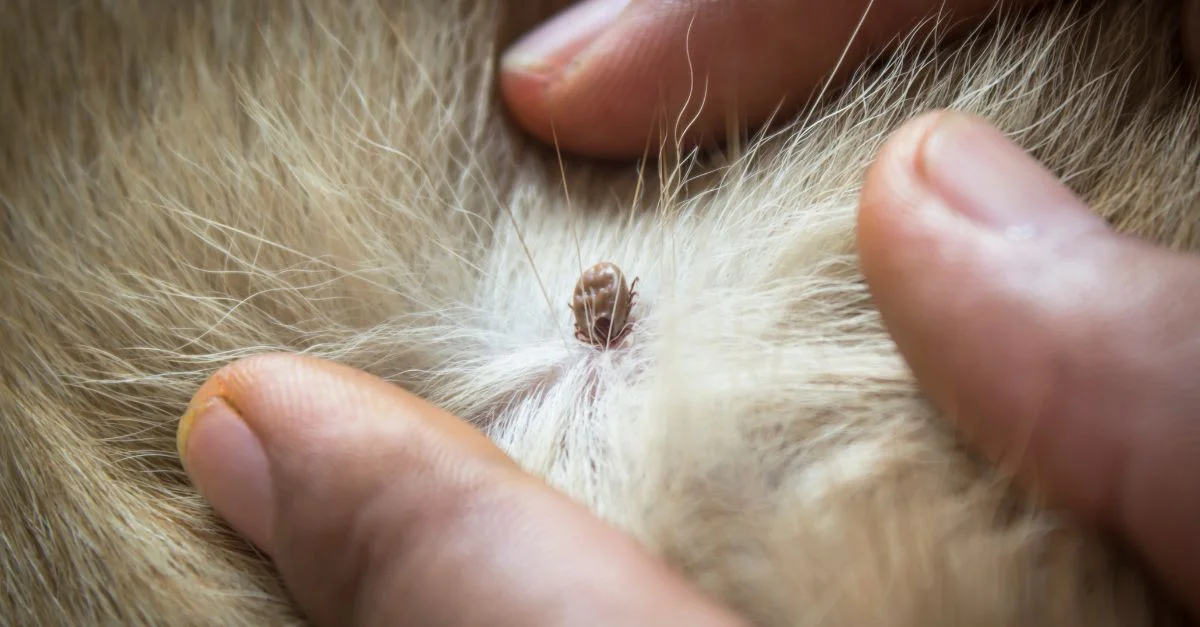
pet bitten by ticks

4. Injuries and Reactions Caused by Fire Ants

  • Symptoms: Severe swelling, itching, or pain around the bite area; in allergic pets, more severe reactions could occur.
  • Treatment: Treatments might include antihistamines, pain relievers, and, in severe cases, anaphylactic treatments.
  • Preventative Measures: Manage ant mounds in your yard and keep pets away from known ant-infested areas. Call the expert pest control company to remove the ant colony.

5. Diseases Transmitted by Rats and Rat Urine

Rats are not just a nuisance but also a vector for several diseases that can affect pets, particularly through their urine. Here are a couple of significant illnesses to be aware of:

Leptospirosis

  • Symptoms: Symptoms of leptospirosis can vary and might not always be immediately apparent. Common signs include fever, shivering, muscle tenderness, lethargy, increased thirst, changes in the frequency or amount of urination, dehydration, vomiting, diarrhea, loss of appetite, jaundice (yellowing of the skin and mucous membranes), and severe kidney or liver failure.
  • Treatment: Leptospirosis is treatable with antibiotics and supportive care to manage symptoms. The key to effective treatment is early diagnosis, which can be challenging due to the broad range of symptoms.

Rat-Bite Fever (Streptobacillary form)

  • Symptoms: Although more commonly transmitted through bites, rat-bite fever can also be contracted through contact with contaminated water or food. Symptoms include fever, vomiting, headache, muscle pain, joint pain, and rash.
  • Treatment: Rat-bite fever is treatable with appropriate antibiotics. As with many bacterial infections, early detection and treatment are vital to prevent more serious complications.

Hantavirus

  • Symptoms: In pets, particularly dogs, symptoms might include lethargy, reduced appetite, and fever. The pet might develop severe respiratory distress, coughing, and potentially, organ failure.
  • Treatment: There is no specific cure for hantavirus in pets; treatment generally focuses on supportive care to relieve symptoms and maintain hydration and organ function. This might include hospitalization, intravenous fluids, and respiratory support.

Preventive Measures for Rat-Related Diseases

Preventing diseases transmitted by rats involves controlling the rat population and minimizing exposure risks:
  • Rodent Control: Regularly inspect your home for signs of rodents and employ humane traps or professional pest control services to manage infestations.
  • Hygiene: Keep your environment clean, particularly in areas where food is stored and consumed. Ensure that pet food is stored in secure containers to not attract rodents.
  • Avoid Water Contamination: Prevent pets from drinking from sources where rat urine could be present, such as stagnant water or puddles in areas with a known rat population, especially after flooding and typhoons.
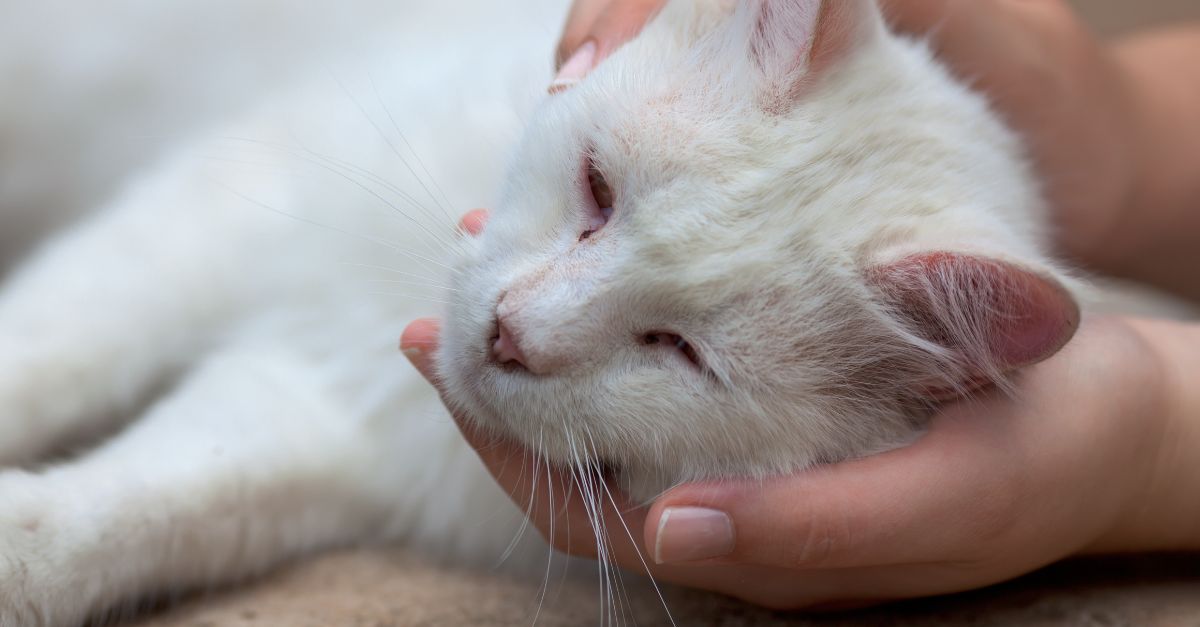
sick cat

6. Health Issues Caused by Mold Exposure

Exposure to mold can be particularly harmful to pets, leading to respiratory and other systemic issues.

  • Symptoms: Respiratory distress, coughing, wheezing, nasal discharge, and lethargy.
  • Treatment: Removing the mold exposure is crucial. Treatment may involve medications to alleviate respiratory symptoms and, in severe cases, supportive care like oxygen therapy.
pet may get irritation exposed to mould

The Most Updated 24-Hour Veterinary Hospitals In Hong Kong

**Information is for your reference only, charges may vary. 

East Island 24hr Animal Hospital (with emergency centres)

Address: No.256 Shau Kei Wan Road, Shau Kei Wan.

Contact: 2915 3999

Charges: $1100 from 08:30pm onwards

**Special Service: Oxygen therapy, critical care monitoring, emergency surgery, referral service for other clinics.


 The Ark Veterinary Hospital – 24 Hours

Address: 25-35A Water Street, Sai Ying Pun.

Contact: 2549 2330

Charges: After 10:30pm $1200


Pets Central North Point

Address: G/F, 66 Java Road, North Point.

Contact: 2811 8907

Charges: 10pm-10:45pm $400, 11pm-11:45pm $ 788, after 11:45pm $1000 (Charges depends on arrival time)


Veterinary Specialty Hospital – VSH

Address : Lucky Centre, 1/F, Lucky Centre, 165-171 Rd,Wan Chai.

Contact: 2408 2588

Charges: All day$1200


Veterinary Emergency Centre (VEC)

Address:  Shop 4-6, G/F, Shun Fai Bldg 19, Hau Wo St, Kennedy Town

Contact: 23342334

Victoria 24-Hr Veterinary Hospital

Address: Shop 11, G/F, Hing Fook Building, Phase II, 8 Man Hop Path, Yuen Long.

Contact:24778929

Charges: After 12am $660


Tai Wai Small Animal & Exotic Hospital

Address: G/F, Shop C & D, 75 Chik Shun Street, Tai Wai.

Contact: 26871030

Charges: 7pm-9pm $450, 9pm-12am $600, after 12am $850

Website: http://www.taiwaiexotic.com/


Pet Cares Professional Veterinary Services

Address:  6 Sui On St, Tai Po

Contact: 2638 2869

Charges:  9-12am $250, after 12am $500

Website: https://www.petcares.hk/

Non-Profit making Veterinary Service Society

Address: Mong Kok, Ki Lung St, Chong Ki Building, G/F

Contact: 23932070

Website: http://www.npv.org.hk/


Macpherson Animal Clinic

Address: G/F, Hing Yip House, 26 Sai Yee Street, Mong Kok.

Contact: 27812386

Charges: 10-12pm $330, After 12am $800


CityU Veterinary Medical Centre (and critical care ICU)

Address: G/F-2/F, Trinity Towers, 339 Lai Chi Kok Rd, Sham Shui Po

Contact: 36503000

Website: https://cityuvmc.com.hk/


Kowloon East Animal Hospital

Address: No.9, Tung Ming St, Ngau Tau Kok

Contact: 23456504

Website: http://www.animalhospital.com.hk/


Animal Medical Centre – Mong Kok

Address: Shop1, G/f, Liberty Ave, 11, Ho Man Tin

Contact: 27134155

Website: https://amcvet.com.hk/


Animal Medical Academy Hospital (AMAH)

Address: Shop No. 12-17, G/F Harbour Crystal Center, 100 Granville Road, Tsim Sha Tsui East, Kowloon

Contact: 38998999

Website: https://amahvet.com.hk/en/address/

Bed bug Control Services

Over 50 years of experience protecting Hong Kong homes and businesses from bed bugs

  • Safe, effective, environmentally-friendly pest control
  • A broad range of bed bug management options to suit your home and business needs
  • With local, accredited pest controllers, we provide a rapid-response service across Hong Kong
Find out more

Related posts