+85229546888 Call now! Request a callback

[F&B] HACCP Inspections & Food Safety Plans: Integrating Pest Risks to Reduce Contamination and Compliance Exposure

Food safety risks in the catering and restaurant industry are rarely caused by a single incident. More often, they result from a chain of small “missed details” accumulating during day-to-day operations. Beyond customer complaints, negative reviews, and rapid spread on social media, once issues involve food contamination or hygiene breaches, they may also trigger regulatory follow-up, temporary suspension for rectification, and financial losses—causing long-term damage to brand trust.

HACCP (Hazard Analysis and Critical Control Point) is a preventive food safety management approach. Its core idea is: identify hazards first, then set control points at critical stages, establish monitoring and corrective actions, and continuously improve through documentation and review. For restaurants, when people talk about HACCP inspections or building a food safety plan, many immediately think of temperature control, cross-contamination, or cleaning workflows. In reality, pest activity (rats, cockroaches, flies, etc.) is also a major source of contamination risk—and one that is often overlooked in food premises.

Under HACCP, why are pests considered “high risk”?

From a food safety management perspective, pests are not just a “public perception” issue. They can create real, measurable risks, such as:

  • Contaminating ingredients and food-contact surfaces: Pests can move through areas like floors, wastewater, and refuse zones, then come into contact with ingredients, utensils, or work surfaces—raising contamination risk.
  • Disrupting food handling workflows: If pests are found in prep areas, storage zones, or serving areas, operations often need to stop immediately for handling and clean-up, affecting business continuity.
  • Triggering complaints and a trust crisis: Customer tolerance for “seeing just one” is extremely low, and negative feedback spreads quickly.
  • Increasing compliance pressure: When evidence of corrective action is required, or when root causes must be traced, a lack of structured management and records leaves operators in a more reactive position.

Therefore, within a HACCP/food safety plan mindset, pest management should not rely on “one-off fixes.” It should be built into daily routines: prevention, monitoring, documentation, and improvement.
食物上的蟑螂

Common restaurant pests and their risks

Pests prefer warm, humid environments with food residues and hiding spots. Common examples in food premises include:

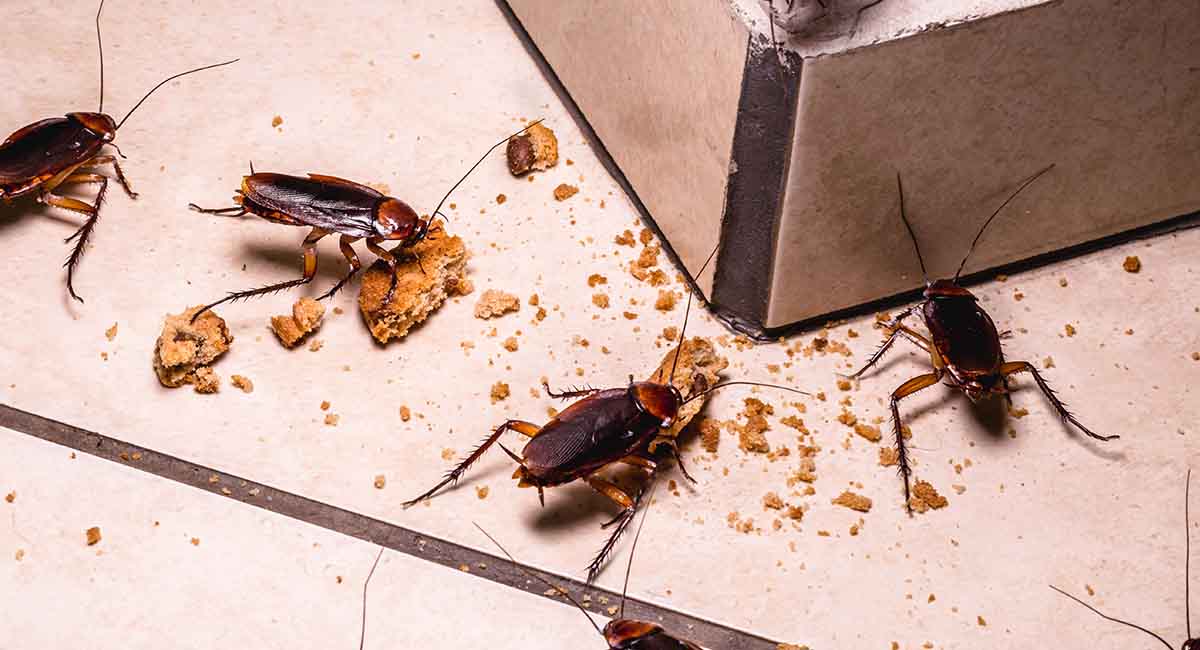
  • Cockroaches: Prefer damp, dark areas; often found near drains, waste areas, and back-of-house storage. They reproduce quickly and can spread within a short time.
  • Rodents: Can enter through door gaps, pipe penetrations, external drainage points, or goods-in/receiving entrances. Beyond contaminating food, they can damage packaging, leave bite marks, and deposit droppings.
  • Flies and other flying insects: Often gather around food waste, bins, and back alleys; they can also create hygiene risks and poor customer perception during preparation or plating.

When reviewing HACCP inspections or a food safety plan, the focus is not simply “whether you saw pests,” but whether the environment and processes allow pests to enter, breed, and come into contact with food or food-contact surfaces.

High-risk areas in restaurants: where problems are most likely to build up

Many restaurants keep the front-of-house clean, but back-of-house details and “small corners” are easier to miss. The following are often classified as high-risk zones:

  • Dry goods and packaging storage: Stacked cartons, unsealed ingredients, and insufficient off-floor storage can easily become pest harborage points.
  • Waste handling areas / back alley: Poorly covered bins, long holding time for food waste, plus floor residues and wastewater can attract rodents, cockroaches, and flies.
  • Drainage points and damp corners: Standing water and grease can create conditions and pathways for cockroach activity and breeding.
  • Entrances and goods-in areas: Frequent door opening, oversized door gaps, and risks brought in with deliveries can become common entry routes.

Including these areas in routine checks and improvements can greatly reduce the chance of a “sudden outbreak.”
專業防治

Common question: Why does the problem keep coming back even with daily cleaning?

Restaurants may clean every day, yet pest issues still recur. Common reasons include:

  • Only reacting after pests appear: Without a regular prevention and monitoring rhythm, the same problems repeat.
  • Ignoring entry points and movement routes: Only dealing with what’s visible, while leaving gaps, door seals, and drain-adjacent root causes unaddressed.
  • Underestimating breeding and spread speed: Early signs (small amounts of droppings, bite marks, egg cases, nymphs) can quickly escalate if not followed up promptly.
  • Lack of records and follow-up: Without linking observations, corrective actions, and outcomes, continuous improvement is difficult.

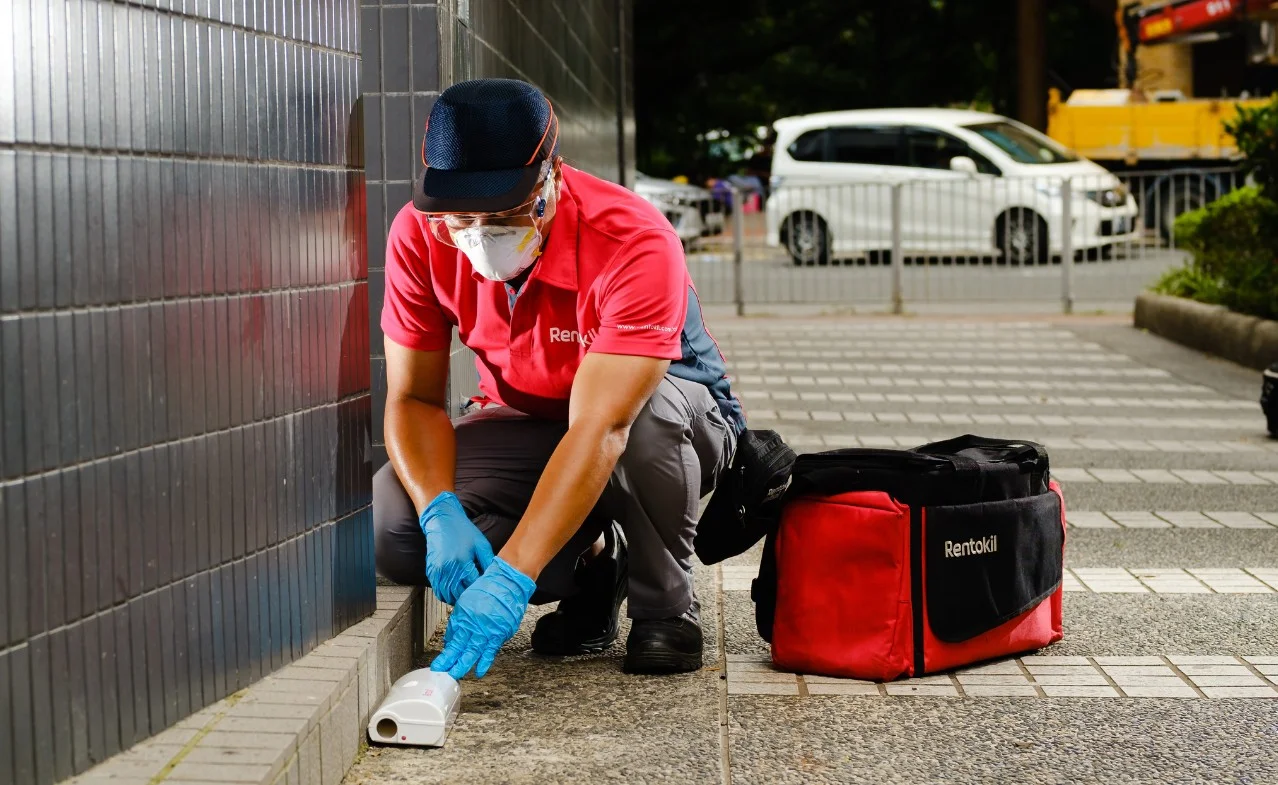
Rentokil offers pest disinfection services to reduce the risk of illnesses associated with infestations.

Build a reliable environment by starting with prevention

  • Regularly inspect and seal entry points such as door gaps, wall cracks, and pipe penetrations.
  • Store ingredients and dry goods sealed, off the floor, and well-organised, and reduce carton clutter.
  • Keep bins covered, ensure waste is removed frequently, and keep waste areas dry and easy to clean.
  • Clean drains regularly to prevent standing water, grease build-up, and residue accumulation.
  • Establish a simple inspection habit: record signs immediately and follow through with corrective actions.

Why Rentokil Initial?

Rentokil Initial is your pest control and hygiene expert with over 60 years of experience in protecting the health of Hong Kong people and is the first choice for commercial and residential pest control services.

  • We have been awarded ISO 9001, ISO 14001 and ISO 45001 certificates by BSI, an international standards body, which is in line with international standards.
  • Google Review 4.9 stars, with real customer experience close to perfect score.
  • Winner of the Caring Company Award for 7 consecutive years, we actively contributing to the local community.

Complete the "Contact Us" form on the website or call +85229546888

  • We will get back to you as soon as possible within business hours (Monday to Friday, 8:45am to 5:45pm)

Every time we receive your pest control needs, we will call you for details and arrange on-site inspections depending on the situation

  • We will try our best to investigate at your convenience
  • Tailored Pest Solutions
  • Service Technician Shares Pest Control Tips With You

Experienced and professionally trained service technicians are at your service

  • Fast and efficient pest control services
  • Tailor-made solutions for you

Found pests in your restaurant? Our experts will help you thoroughly eliminate them and provide proofing recommendations.

Total Pest Control Services

Over 60 years of experience protecting Hong Kong homes and businesses from pests.

  • Safe, effective, environmentally-friendly pest control
  • Target the source of pest and deliver long term solution
  • With local, accredited pest controllers, we provide a rapid-response service across Hong Kong
Find out more

Related posts