PestNetOnline
Login© 2026 Rentokil Initial plc and subject to the conditions in the Legal statement
Food is so easily available in our developed, industrialized country that we take it for granted. We expect the food we buy in grocery stores, supermarkets, and big box retail locations to be safe to eat. It is displayed on clean, brightly lit shelves and racks and presented in attractive packaging, all looking perfectly fine.
This masks the complexity of factors involved in ensuring the food we buy is safe. The retail food industry, in fact, is at the forefront of consumer protection.
An increasing amount of our food products are supplied through complex supply chains that can link to producers all over the world. Every item has multiple risks associated with it on the journey from farm or producer to your store and then to consumers.
Many factors along the food supply chains can affect food safety:
Many types of technology, processes, and materials, as well as the food ingredients, go into producing the food products that end up in consumers’ shopping carts.
Even a small supermarket can have tens of thousands of products, with up to 90,000 in a large superstore, all having to be sourced and handled safely to protect the consumer.
In the stores, there is also a myriad of ways in which food is presented to the buyer. Fruit and vegetables come loose, bagged, chopped, peeled, and packaged. Refrigerated displays and fresh food counters offer raw meats, seafood, multiple types of dairy products, cooked products, and other prepared foods. The bakery often offers freshly baked, frozen foods, bagged products, and more.
All of this provides a multitude of opportunities where food safety can be compromised – putting consumers at risk.

Across all businesses, preparing or processing food one of the most common causes of food contamination is poor personal hygiene practices by staff.
Handwashing is a critical practice, as hands can easily transfer bacteria from a contaminated surface to fresh food.
Adequate handwashing with soap is essential:
Personal habits that are not acceptable around food preparation include:
Shopping carts and baskets are supposed to be handled by customers, but they may potentially help spread pathogens. When shoppers wander around a store picking up items, they can also pick up invisible germs and pathogens left behind by other shoppers. While carts sit in outside corrals, birds and even rodents can add to the contamination.1
When customers touch these contaminated surfaces, they can spread the pathogens they pick up to anything they put in their cart – or pick up to examine and then put back on the shelf or rack. For fresh fruits and vegetables or items that are not cooked before eating, consumers could potentially ingest these dangerous germs, bacteria, and viruses.
Shopping carts and baskets have far higher levels of bacteria than surfaces in public restrooms and other public places, according to a study by the University of Arizona. Coliform and E. coli bacteria (a sign of contamination from feces) were found on 72% of cart handles, but only 7% of samples from diaper changing tables, chair armrests, playground equipment, ATM buttons, restaurant table tops, escalators, and restaurant condiment containers. Other studies have found Salmonella and Campylobacter on carts carrying raw meat, along with pathogenic Staphylococcus aureus.
Small children – frequent shopping cart riders – are more susceptible to illness and infections for various reasons, including less developed immune systems, faster breathing rates than adults, and a natural inclination to put their hands and anything they can get hold of in their mouths.2 ;
During the global pandemic, many grocers did routine shopping cart disinfection. Disinfecting wipes were readily available in many stores, increasing shoppers' likelihood of wiping down cart handles, child seats, and other prominent areas. However, most chains have now stopped the practice of cart disinfection, and consumer good practices have largely fallen by the wayside, all contributing to the increased likelihood that carts may help spread pathogens to new places and people.
Raw foods can pick up bacteria and other contaminants along the path from farm to shelf.
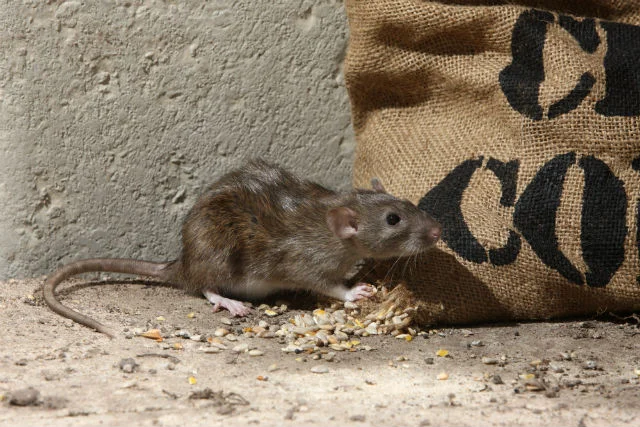
Mice and rats not only gnaw packaging and eat food but also leave a trail of contaminated surfaces from urine, droppings, and greasy rub marks from their fur, dirt, or feet.
Rodents and their excrement can carry disease-causing pathogens that can spread to surfaces and food. In addition, they can also host parasites, such as fleas and mites, and introduce those to any environment they inhabit.
Many different types of flies can contaminate food in supermarkets.
House flies, blow flies, bottle flies, drain flies, and even fruit flies carry potentially harmful, disease-causing microorganisms.
Researchers have found that the house fly alone can spread over 100 pathogens, including Salmonella, cholera, Shigella, Campylobacter, E. coli, parasites, and fungi.3
Insect light traps (ILTs) such as Rentokil's Lumnia devices can be used to monitor fly activity, but in retail food environments, they must be placed carefully to avoid contaminating food surfaces and other areas. ILTs can be used with sanitation and exclusion to help eliminate an infestation, but they should not be relied upon as the only tool in a fly control program. Your Rentokil technician can recommend the best placement in your establishment.
Cockroaches are another group of insects that have been proven to spread many disease-causing pathogens, including Salmonella, Staphylococcus, Cryptosporidium, E. coli, and more.4
Cockroaches feed on decaying matter, mold, fecal matter in sewers, and rodent, bird, and animal carcasses. Pathogens in these materials can then be transmitted onto food, production, preparation, storage, and display areas.
Cockroaches can harbor in many places in food retail environments, including in and under shelving, dark places such as cracks and crevices in walls and floors, drains, sewers, and inside equipment and machinery.
Good hygiene practices and building maintenance will prevent infestations of cockroaches.
Poor building design and maintenance can allow pests easy access through windows, doorways, rooftops, drains and sewers, spaces around pipe and wire intrusions, vents, screens, and holes.
Once pests have access, they can present a potential threat to food safety and people's personal safety. Some grounds maintenance and landscaping practices around buildings can provide rodent harborage or opportunities for birds to reside. For some retail stores with grass medians and islands in their parking lot, maintaining these areas can help deter problems with aggressive birds, such as geese.
Additionally, it is important to upkeep and maintain dumpsters, compactors, or garbage areas to avoid attracting rodents, flies, cockroaches, birds, and ants. Under the right temperatures, garbage cans and dumpsters can be a hot spot for stinging pest activity, putting anyone at risk of being stung. Some people may have severe reactions to stings, and people with allergic responses may potentially experience anaphylactic shock, which can be life-threatening.
Signage on your building can provide easy nesting and perching areas for birds, creating contamination opportunities, safety risks, and fire hazards. From here, some birds can make their way inside your building, where they can fly around, contaminate products, concern customers, and take up residence in rafters or ceiling areas.
Inside buildings, rats, mice, and cockroaches will look for small hidden places to shelter undisturbed. Unfortunately, they can also venture out into public areas where being seen by a customer could result in complaints, lost business, or even reports to your local health department
While the risk of food security infractions is low once foods are inside a store, there are steps that retail establishments can take to ensure the safety and security of foods.
First, to ensure that products coming to your store are safe, have detailed supplier agreements in place. This protects your investment, sets out clear standards of what is acceptable quality, helps protect your interests (and those of your customers), and creates documentation in the event of a food security incident at the supplier level.
Inspect all food products and shipments as they come into your store. Look for evidence of pest activity, temperature abuse, tampering, and adulteration. Have a standardized process for this inspection to ensure that it happens with all shipments.
Although it is rare, food security incidents can sometimes happen when employees purposely adulterate food. Offer comprehensive employee food safety training and encourage employees to report violations of food security immediately.
Monitor areas where fresh and prepared foods are easily accessible by customers to ensure no product tampering takes place. If your prepared foods are packaged, consider using security seals to help indicate freshness and safety to customers.
No matter who oversees food safety for your chain, it takes a network of individuals to help keep your store protected from food safety risks. From your corporate food safety and quality team to individual store employees to your vendors and service partners, everyone is responsible for ensuring that the food you serve and sell is safe for consumers.
If you are experiencing pest concerns or would like a free consultation for pest management services at your store, Rentokil is ready to help. With a broad North American footprint, we have hundreds of branches, with local technicians in your community ready to help protect your store from pests. Take pest problems off the shelf and contact us today.
References
1 Gerba CP, Maxwell S. Bacterial contamination of shopping carts and approaches to control. Food Protection Trends, Vol 32, No 12, 2012.
2 U.S. Centers for Disease Control and Prevention. "A Child’s Health is the Public’s Health." October 2022. Accessed September 19, 2023.
3 Honarvar, Behnam; Khamesipour, Faham; Kwenti, Tebit Emmanuel, and Lankarani, Kamran Bagheri. A systematic review of human pathogens carried by the housefly (Musca domestica L.) BMC Public Health, 18, 1049. August 2018. Accessed September 19, 2023.
4 Donkor, Eric S. Cockroaches and food-borne pathogens. Environmental Health Insights. April 2020;14. Accessed September 19, 2023.