myRentokil
myRentokil login© 2026 Rentokil Initial plc and subject to the conditions in the Legal statement
Mosquito bites, perhaps, are one of the most common complaints among many, and also one bite that causes worry and concern, due to its association with the deadly virus of Dengue Fever. However, there are as many as seven pest bites that can be damaging and detrimental to either yourself or the environment. Rentokil shares the types of bites to be wary, and ways to prevent a pest infestation from taking place.
Bed bug bites are one of the symptoms and signs of bed bug infestation, besides the bloodstains and shed skins you see on your bed and curtains. They are small and flat, slightly raised that are red, itchy and dark in the middle.
One unique way to identify bed bug bites is the appearance of a straight line or single row of bites, or clusters of bumps typically found on exposed skin. This includes your arms and hands, legs, neck and face. Skin allergy and rash can develop over time due to the itch and scratch, and they target hosts when they are asleep. This is because they are nocturnal and only come out at night for their blood meal, and often bite us without us noticing because of their release of an analgesic element as they bite into our skin. When such bed bug signs are detected, you should get rid of bed bugs immediately because they can hide well, reproduce fast and in volumes and spread quickly from room to room.
Mosquitoes bite on individuals because of their attraction to our body warmth and lactic acid we produce. While male mosquitoes bite, they do not need blood meal for reproduction. Female species of mosquitoes suck our blood for their meal supply, by piercing their mouthparts onto our skin, while injecting their saliva that causes a reaction. The danger of these bites is that a local anesthetic is released during the biting process that is painless and unnoticeable until we feel the reaction of the itch. While mosquito bites are just annoying and itchy, with a round swelling bump, mosquito bites can be harmful with the transmission of diseases including Dengue and Zika. It is important to seek immediate medical treatment if you experience symptoms including the following:
Read also: Dengue cases in Singapore. What you need to know about Denv-3
Sand Fly is among the many species of midges that are classified as biting-pests compared to midges that are non-biting and often mistaken for mosquitoes. They are found in large water body areas such as reservoirs or damp and sandy conditions and when bitten, they can cause painful, red and itchy bumps or blisters. Such bites can turn into an infection if the bite wounds are not managed adequately, and suck blood like those of mosquitoes. Going through similar life stages of the mosquitoes, they may transmit diseases including sandfly fever. As they are active in the evening and occur outdoors, it is important to put on sports attire with long sleeves and pants if you are out strolling or engage in outdoor activities.
Cockroaches do not really bite; however, there are incidence of cockroach bites if there is an overpopulation or shortage of food supplies. They tend to attack body parts including face, hands and fingers (including fingernails), mouthparts which have close association to food consumption or presence of food residue. They are usually red in colour with a bump and occurs typically at night due to their nocturnal nature. Treat cockroach bites immediately to avoid turning into a skin irritation or infection with excessive scratching from the itch. As cockroaches are pests of poor hygiene, they may contain bacteria and viruses, and hence keeping wounds clean and medically addressed can minimise any health implication.
Rats have incisors that requires constant gnawing and these habits can cause hazardous outcomes especially when they bite on wires, cables and anything haphazard that causes short circuit and fire. However, they can bite on human as well that can cause rash, infection and a condition such as Rat Bite Fever. Rat bites and small, that swells and are painful, and resembles of a puncture hole. Rat Bite Fever can cause serious symptoms including joint or muscle pain, fever, headache and vomiting or diarrhea symptoms. It is important to keep the wound clean and dry and seek medical attention where antibiotic treatment and cream may be given.
Ticks can cause Lyme disease when bitten with an infection and ticks’ bites are small, red and raised, similar to those of mosquito bites. It can develop into a blister, rash or infection, with allergy symptoms including fever, headache, body aches and chills. Because ticks latch on hosts including yourself and your pets, it is important to detect the presence of ticks on your pet and from your body after an outdoor activity as they lurk around grass patches. If you have spotted physical ticks, remove them quickly with a tweezer, but avoid crushing them to avoid breaking the body parts, leaving half in your skin or releasing their stomach contents into your wound. Look out for bites on your body that exude warmth and moistness including armpits, groin area and within your hair or pets’ fur.
Some ant species can cause painful and stinging bites such as the fire ants. Unlike the sugar ants, fire ants are aggressive; they bite and sting when disturbed and provoked. You should not attempt to remove the ant nest by yourself. Remedies including the whacking at the colony, or spraying with insecticide or water, it is best to seek professional help. Usually found outdoors among ground area and grass patches, they can enter into your home through openings. Due to their diet including meat, sweet and sugar items and fats and grease, they can lurk in the kitchen and breed further. Fire ant bites are painful with a feeling of burning sensation, and it is best to manage with proper medical attention.
Most common cause of pest attraction is because of the presence of food sources including decaying matters, sugar and starch, waste and trash, water and any food leftovers and scraps. Pests feed on almost anything they can find in the home, and it is not difficult to breed and nest for a long time. Home habits such as eating habits, cleaning standards, inadequate management of piles, cartons and junks provide opportunities for pests to hide and nest. Environment and home structure may also affect the start of an infestation whereby warm climates allow mosquitoes to strive faster, while wet weather generates receptacles. Some homes are poorly ventilated and cause humid and damp conditions, thus building moisture and buildup of mold and dew. Here are more causes of pest problems:
You may also like: What are the common home pest frustrations?
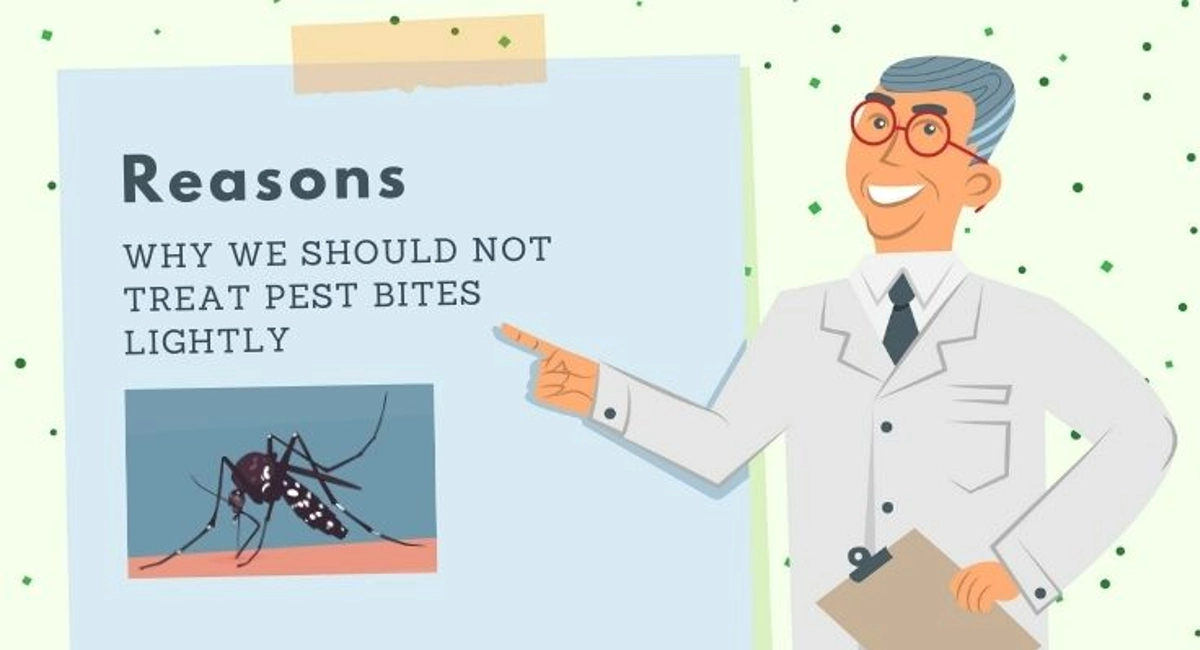
While some bites from pests are generally harmless and may recover over time, it is important that we do not treat them lightly. This is because some pests contain toxins and stings. They may result in allergies and in severe cases, causing symptoms such as breathlessness, dizziness or shock. Most bites are red, swollen, itchy and possibly turning into skin infection. More importantly, learn to recognise the types of pest bites to help identify any possible pest infestation happening in your home. For example, an observation of mosquito bites could represent a higher mosquito population, and you can take steps to prevent yourself from being bitten by Aedes Mosquitoes. It also signals possibilities of presence of mosquito breeding around the vicinity and an alert of mosquito prevention needs.
Here are some tips and recommendations in managing those itchy and painful bites:
One of the easiest and most important steps in dealing with pests is to ensure you have a sound, diligent and consistent housekeeping habit. This includes sweeping and vacuuming the floor, mopping and wiping the surfaces including floor and countertops, and keeping the space dry from stagnant water and build-up of leaks and spills. Dust, mold and fungi should be removed from walls, furniture and any surfaces that allows some pests such as booklice to feed on.
Kitchen maintenance should be prioritised as they provide vast varieties and volume of food for pests including cockroaches and ants to feed on. Organise the cabinets and shelves, remove clutter, adopt proper food storage, empty waste bins and avoid exposing food in the open. Furniture and upholstery should not be neglected. They attract pests such as bed bugs that latch on these items and feed on hosts for blood meal.
Outdoor is usually the most neglected part of the home and the misperception pests will not enter. Pest can enter at any possible size of openings, including the little gaps in between your door and Floor. Maintain the outdoor by ensuring sound landscaping, eliminating overgrown shrubs and mulch, and remove decay and infested wood. To prevent pest entries, engage some simple renovation to fix those gaps and crevices you have been procrastinating for long.
Read also: Top reasons why we should not procrastinate on our housekeeping
Trained and certified pest control specialist can perform the following:
Depending on the pest type that is infesting your home, treatment types, application mode and frequency differ. Firstly, cockroach and ant treatment are common and more straightforward with monthly or bi-monthly application of gels or baits and residual spraying at strategic corners. Secondly, rats control requires the placement of baiting units with lure and their movements and activities are monitored via a sensing technology where specialists look for activation through a command center. Thirdly, mosquito control typically involves an integrated mosquito treatment. This eliminates larvae and adult mosquitoes through fogging, larviciding and placement of mosquito traps. If your home resides in the dengue cluster zones, frequency and number of traps may increase.
Finally, termite treatments are usually more complex and large scale, involving days of treatment and years of monitoring and warranty. Termite control usually involves a thorough termite inspection, followed by choice of treatments, ranging from localisation, foaming, baiting and termiticide injection. Overall, pest management also includes reporting and updating of pest trends to ensure your pest problem is under control.
You have a part to play in pest eradication because having regular pest control is only one of the steps involved. Pest can travel and occur at any possible conditions including the following; hence, pest control would not promise a lifetime immunity against pest infestation.
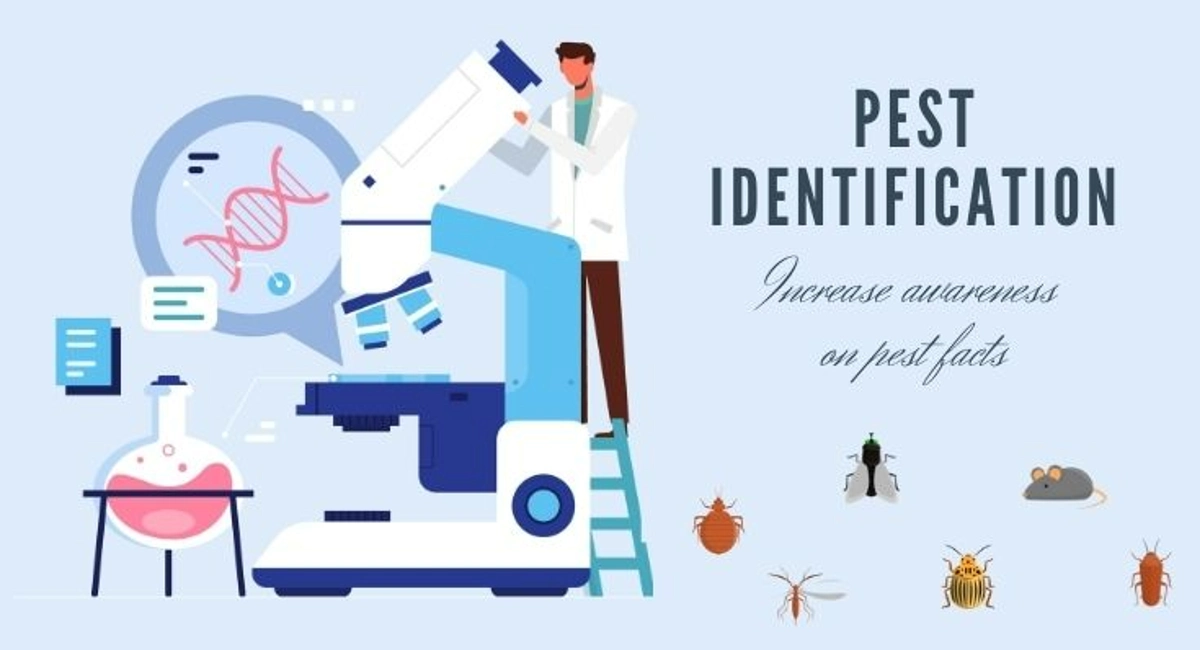
You should recognise the common enemies turning up at your home. These includes how they look like in their different stages, how they enter and what species type in particular. Firstly, accurate pest identification can help understand the type of pests attacking your home. This helps in the recommendation of relevant pest control solution to resolve the problem. Secondly, it allows you to understand what activities cause the pest to invade in your home. For example, poor housekeeping, presence of specific food source or due to cross infestation. Thirdly, it helps to adopt more accurate and effective pest prevention remedies to address the targeted problem. For instance, reducing the humidity of the home or removing infested logs and mulch.
Finally, it helps to deliver more effective pest management efforts. Also, it reduces recurring pest infestation while limiting additional investment and effort spent on pest eradication. In summary, enriched awareness on pest identification helps to prevent a pest problem from taking place and regular pest detection helps to keep infestation level under control. Unsure which pest is bugging you? Try the Rentokil Initial Pest ID service here.
Start to enrich yourself with some critical pest facts including the following:
Call Rentokil Singapore at (65) 6347 8138 for pest control services today.