myRentokil
myRentokil login© 2026 Rentokil Initial plc and subject to the conditions in the Legal statement
Rentokil Singapore shares a guide on how ticks and fleas come about, what control solutions can pet owner’s consider and applying useful ticks and fleas preventive tips.
Ticks are actually small arachnids that bites pets or humans for blood meal. While there are other pests that similarly seeks blood as food source, ticks transmit diseases and often highly associated dogs and cats. Ticks are commonly mistaken for insects. They hang around shrubs, grass patches, trees and woody or shady area.
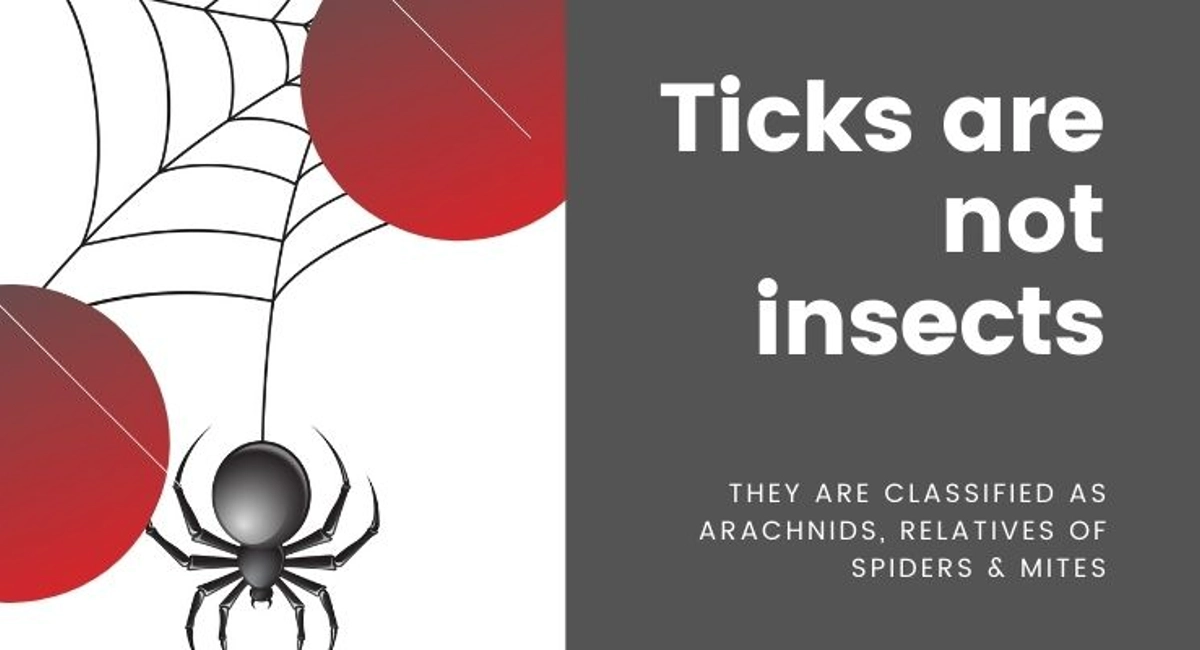
Interesting fun facts about ticks
There are two classification of ticks ‘species, namely the soft and hard ticks. In fact, they do not jump or fly around, but they crawl and latch onto our pets or us.
We probably have heard of fleas such as cat, dog or even human fleas. With so many types of fleas’ species out there, probably these common ones are bothering us. Similarly, they attach to a host for blood; however, they are good jumpers as well. Do you know how high can a flea jump? They can jump 18 cm upwards and 33 cm horizontally!
Some pests are mistaken for their similar appearance, and this is the case for ticks and fleas. Exactly, how do ticks and fleas look like? Besides the difference in colour and its tiny size, here is a difference and comparison between ticks and fleas.
TICKS
Have six to 8 legs and crawl around
Source for multiple hosts
Up to three years of lifespan
Latch on hosts
Causes diseases such as Rocky Mountain fever and Lyme Disease
FLEAS
Come with six legs and are good jumpers
Typically seeks for one host, usually dog or cat
Two to three months of lifespan
Tend to multiply and infect a home
Causes skin diseases such as allergy and Tapeworms
Ticks favour the warm and moist environment such as within the fur of your pets. They commonly get into contact with the fleas found outdoor during their stroll or among other infested pets. Other latching opportunities to explain how do pets get ticks include:

Dogs may pick up ticks during their pet walks
A cross infestation-nature like pests, they are easily brought into a home from outdoor activities, either through your body or your pets. They like to hitch on parts of your body including groin, under arms, within your hair, knee area or within your pets’ fur. Due to its reproduction nature, they would lay their eggs and infest around the home. Some common hot spots includes
Where do ticks live? They live near host where they seek warm environment with presence of moisture. Besides the external source, ticks are in a way, found in homes.

Carpets and rugs are some common hiding spots for ticks
Ticks feed on blood, similarly to Aedes Mosquitoes and Bed Bugs. It utilises its mouthparts to bite on the skin of the pets or ours, inserts a feeding tube and feeds on the blood for survival. Symptoms of a tick bite may be less obvious or quick to take notice because it does not hurt as they latch and feeds on. Do ticks and fleas bite human? Yes, they do latch and feed on humans. Similarly, they can cause red skin irritation and potentially transmit diseases to humans as well.
One of the easiest and first step to detect signs of ticks’ infestation is the physical presence of ticks lying around the home or on your pets. You may also keep a lookout for other signs including:
Besides biting and feeding on our pets or on ourselves that causes rash and itchy swells, these unwanted pests cause diseases such as:
As harmful as they may sound, what are tick removal techniques we can adopt to get rid of ticks? Some natural ticks and fleas treatment pet owners can consider includes:

Pest Myth using lavender essential oil to repel pests
When these ticks treatment home remedy does not work, perhaps it is time to engage professional pest control companies to rid ticks effectively. A treatment typically involves an initial site survey to access the infestation level, area to treat, type of species identified. In addition, the specialist will recommend frequencies and type of treatments. A good and credible pest control specialist will value add monitoring and reporting.
Price of pest control depends on a few factors. Besides the type of solutions used number of treatments and extend of the area, there are other intangible factors including the credibility and reputation of the company, service quality rendered and after sales service support. Generally, it can be made affordable and value for money. Discuss with a trustworthy pest controller to design a desirable solution.
Like how parents always advice, prevention is better than cure. Here are some useful tips you can adopt, to take care of your dog’s safety and wellbeing
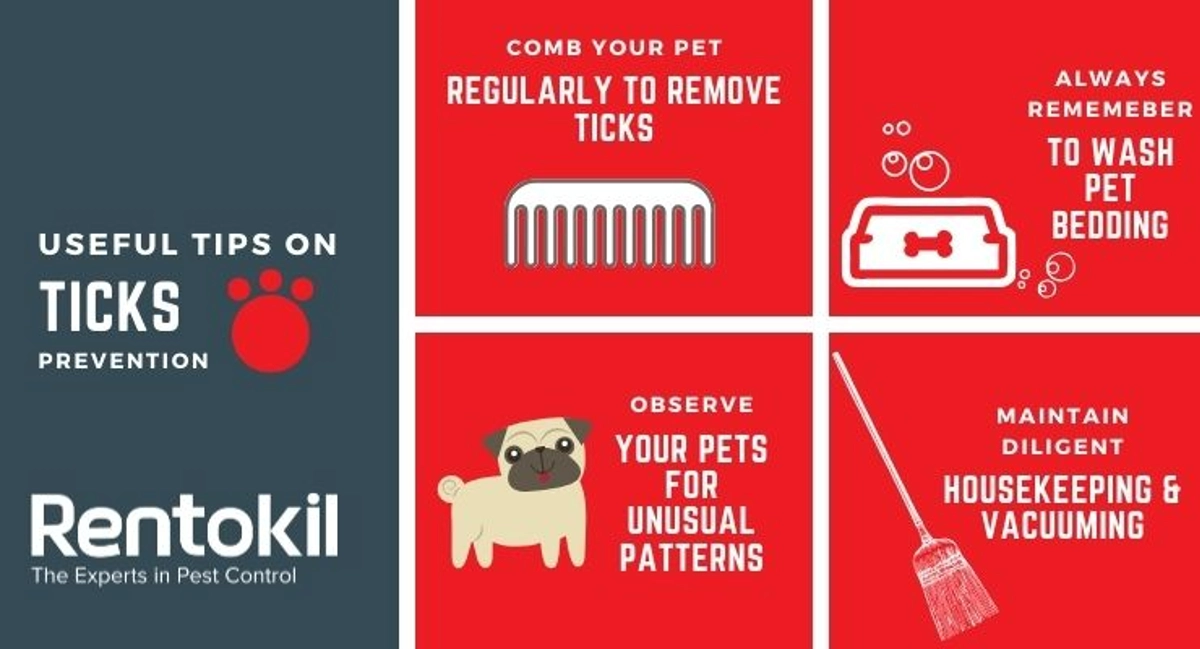
Useful ticks prevention tips
Call Rentokil Pest Control at (65) 6347 8138 for a ticks and fleas control solution today.