myRentokil
Manage your business
May is humid in Hong Kong, and after nightfall you may often encounter an unexpected situation: termite swarming (winged termites) appearing in large numbers near lights, by windows, or around balconies.
Swarming can look like an “insect invasion,” but it’s actually a normal stage in the termite life cycle. More importantly, swarming may indicate there is an active termite colony nearby—possibly outdoors, or already active inside a building.
Below is a summary of the key points about termite swarming season, to help you understand what’s happening, how to identify what you’re seeing, and what to do if swarming occurs.
Swarmers are winged, reproductive termites. They fly out from an established colony to find mates and attempt to start new colonies. Because swarmers are often attracted to light, you may see them in places such as:
Swarming usually lasts only a short time, but it’s a signal worth paying attention to.
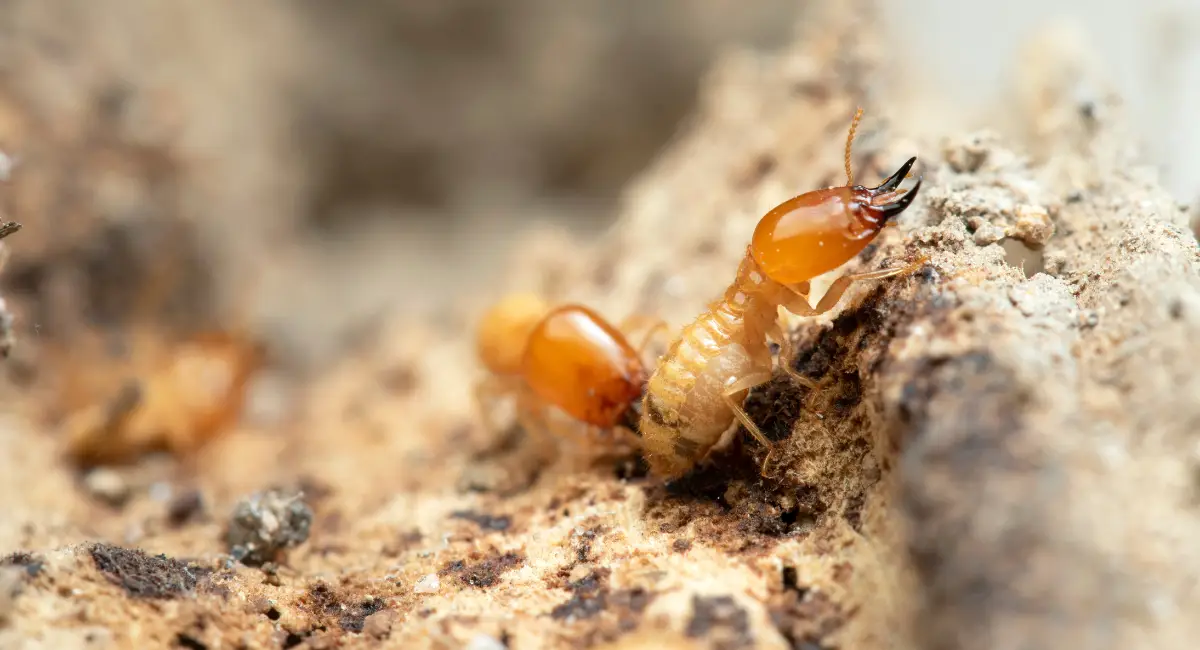
Many people mistake termite swarmers for flying ants. A simple check helps you respond appropriately:
If you’re not sure, it’s best to take clear photos and ask a professional to confirm.
Seeing swarmers doesn’t necessarily mean termites are already feeding on wood inside your home. However, swarming can indicate termite activity in the surrounding area or near the building. If termites nest within a structure or timber fixtures, the result can be higher repair and management costs later on.
In Hong Kong, common termite types include:
If you see suspected termite swarmers indoors, prioritize “control the situation + keep useful information”:
Avoid spraying insecticide randomly: Sprays may only kill the insects you can see and may not solve the underlying source or colony.
Turn off lights near windows and close curtains: This reduces light attraction and helps prevent continued gathering.
Vacuum or sweep up swarmers and shed wings: Dispose of them in a sealed bag.
Take photos for reference: Try to capture the body shape and wings (including wing length) to support identification.
Watch for “shed wings”: Piles of wings on windowsills or floors are often one of the clues left after swarming.
When swarming ends, it doesn’t mean the risk is gone. Consider arranging a professional inspection if you notice:
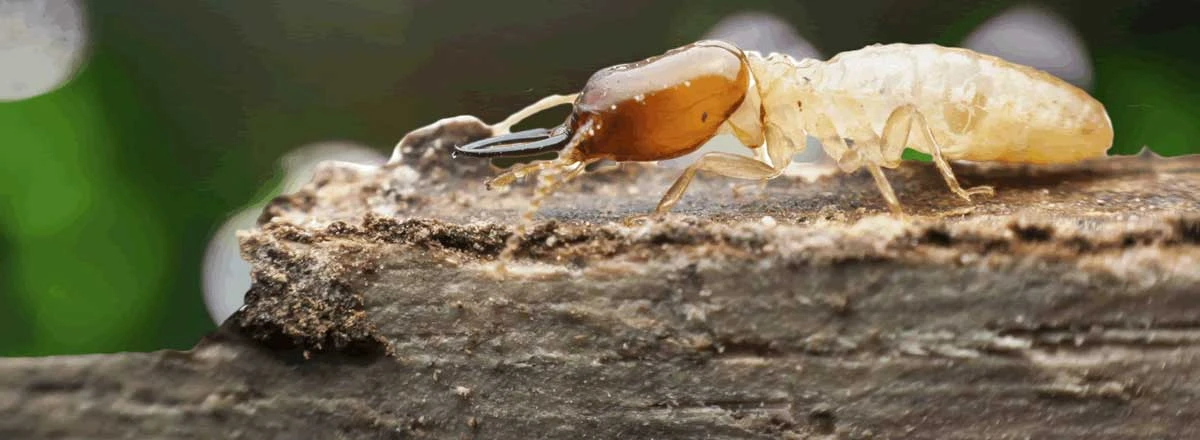
Termite activity is often difficult to confirm on your own—especially when you only see a brief swarming event and can’t locate the source. Rentokil professionals can help identify the pest correctly and recommend suitable treatment and prevention measures based on your premises.
If you’ve already found swarmers or suspect termite activity, it’s best to arrange an inspection early so the issue can be kept within a manageable scope.
Rentokil offers pest disinfection services to reduce the risk of illnesses associated with infestations.
Rentokil Initial is your pest control and hygiene expert with over 60 years of experience in protecting the health of Hong Kong people and is the first choice for commercial and residential pest control services.
Complete the "Contact Us" form on the website or call +85229546888
Every time we receive your pest control needs, we will call you for details and arrange on-site inspections depending on the situation
Experienced and professionally trained service technicians are at your service
Found pests in your premise? Our experts will help you thoroughly eliminate them and provide proofing recommendations.
All areas of the premises are thoroughly disinfected, including high-touch surfaces and hard-to-reach areas.