myRentokil
Manage your business
In Hong Kong’s vertical concrete jungle, property managers often cancel pest control once visible sightings cease—only to face an aggressive re-infestation within weeks. Eradication is never a one-time event; without an active perimeter defence, surrounding colonies will immediately claim the vacant territory.
Below are the 5 critical misconceptions regarding local rodent management, the biological mechanisms behind them, and why ongoing barrier protection safeguards your bottom line.

The Reality: Open sightings indicate severe overpopulation, not the start of a problem.
Rats are nocturnal and inherently neophobic (cautious of new objects). When pest treatments knock down a population, surviving rodents retreat into deep structural voids.
Rodents only venture out into well-lit spaces during daylight hours when:
Zero sightings simply means population density has dropped below the visibility threshold. Suspending treatments at this stage allows the covert breeding cycle to restart unchecked.
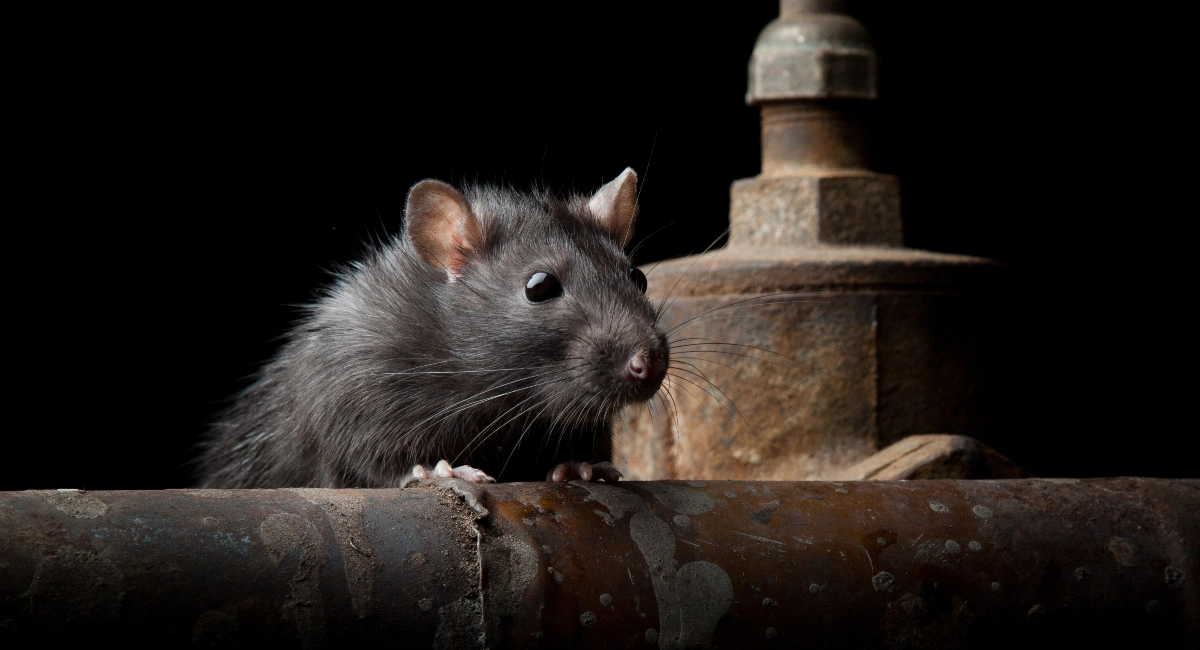
The Reality: Hong Kong rats navigate high-rises via vertical utility conduits and drainage stacks.
External doors represent only a fraction of potential entry points across Hong Kong’s multi-storey architecture:
Physical exclusion requires continuous surveillance. Normal building settlement, renovation work, and weathering regularly open microscopic pathways that rodents detect immediately.
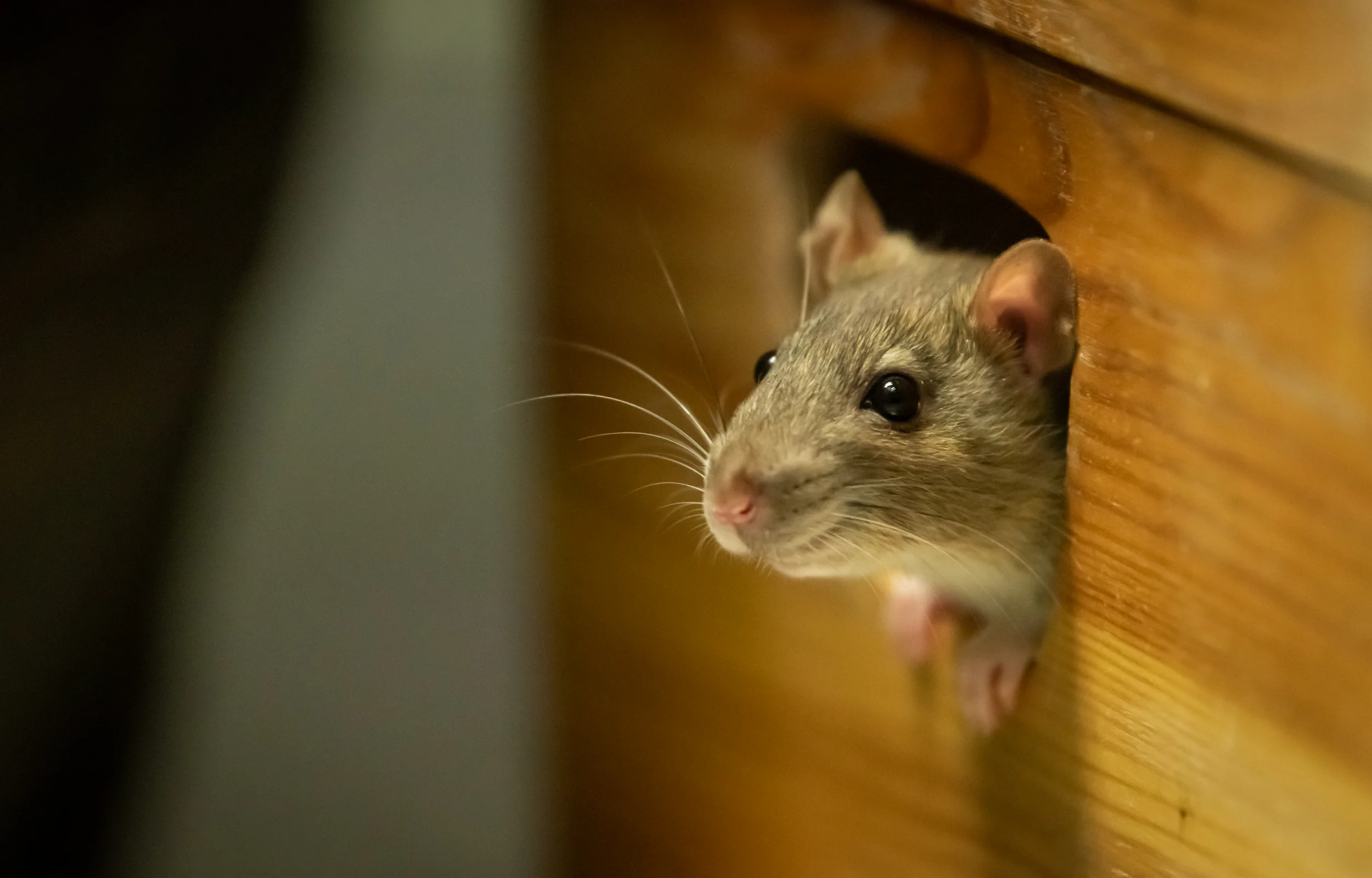
The Reality: Vacated harborage triggers a rapid ecological "vacuum effect".
Hong Kong’s commercial and residential properties share party walls, interconnected drainage networks, and refuse corridors. Clearing your immediate premises leaves an empty territory carrying residual pheromones, shelter, and food traces.
[ Active Infestation Cleared ]
▼
[ Empty, Scent-Marked Harborage ]
▼
[ Neighboring Nests Invade (14–30 Days) ]
Without persistent perimeter baiting and physical deterrents, scout rodents from adjacent back alleys and sewer systems will claim the vacant territory within two to four weeks.
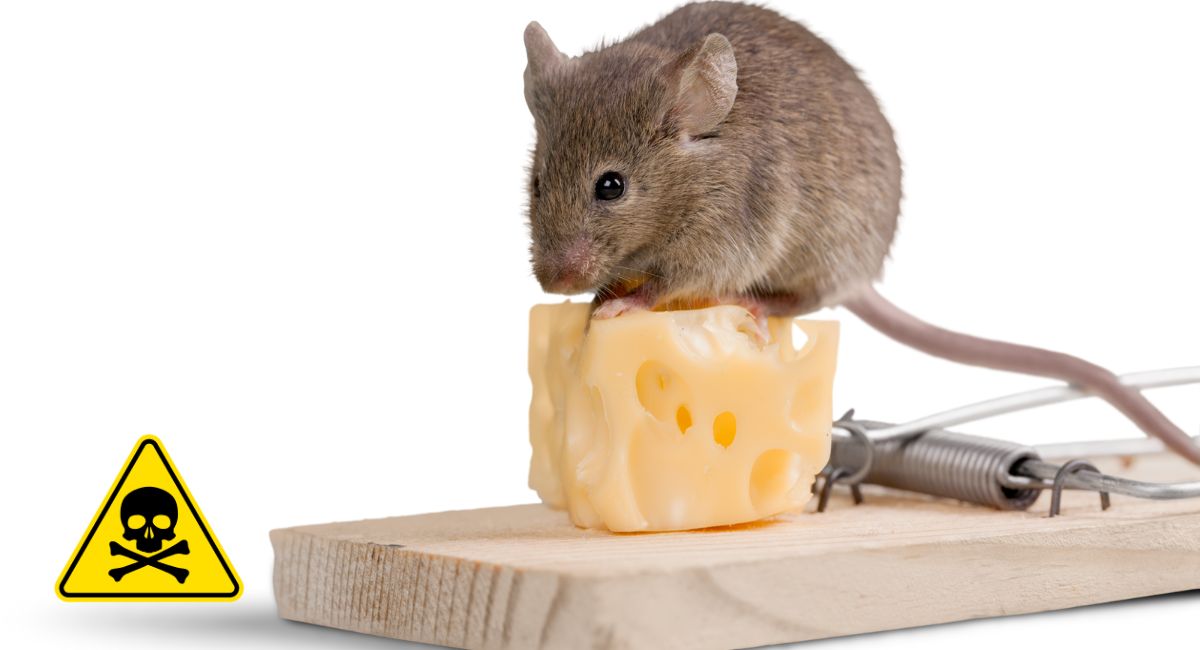
The Reality: Wild urban rodents develop bait aversion and ignore static frequencies.
Consumer DIY measures fail to resolve established infestations due to biological adaptation:

The Reality: Emergency reactive call-outs cost 3 to 5 times more than continuous maintenance.
Viewing pest management as an on-demand cost rather than an operational utility invites severe structural and financial liabilities:
| Risk Category | Continuous Maintenance Contract | Reactive Emergency Call-Outs |
|---|---|---|
| Direct Service Costs | Predictable, fixed monthly or quarterly fee | Premium emergency call-out fees and recurring clean-out rates |
| Asset Damage | Early detection protects wiring, PVC pipes, and ceilings | Severe; severed server lines, water leaks from gnawed pipes |
| Compliance & Fines | Continuous audit log for statutory compliance | Risk of formal warnings, closure orders, and legal penalties |
| Brand Reputation | Zero public disruption; uncompromised operational hygiene | High vulnerability to public customer complaints and viral coverage |
Structural Barrier Management
Eradication in Hong Kong is not a singular event; it is an ongoing state of containment. Terminating professional monitoring merely opens a window for surrounding colonies to re-invade, multiply, and force an expensive structural overhaul later on.
Roof rats (Rattus rattus) are exceptional climbers. They scale external drainage downpipes, lift cables, and vertical utility trunks, entering high-rise properties through air-conditioning pipe penetrations, exterior exhaust louvres, and balcony doors.
Look for spindle-shaped droppings (9–14 mm) in riser cupboards, dark sebum smear marks along skirting boards, chewed plastic packaging, and faint scratching sounds behind false ceilings late at night.
Food premises, logistics hubs, and hospitality venues require bi-weekly or monthly inspections to comply with regulation standards. Commercial offices and residential estates typically operate on monthly or bi-monthly preventative programmes.
Found rodents on your kitchen and ceiling? Our experts will help you thoroughly eliminate them and provide prevention recommendations.
Rentokil offers pest disinfection services to reduce the risk of illnesses associated with infestations.
Over 60 years of experience protecting Hong Kong homes and businesses from pests.