myRentokil
Manage your business
As the Lunar New Year of 2026 approaches, coinciding with a peak period for travel and gatherings, health authorities across Asia remain highly vigilant regarding the Nipah virus. Due to the virus's extremely high mortality rate and potential for rapid transmission, countries often implement stricter screening measures at borders and airports upon the detection of confirmed cases to ensure public health safety during the festive season.
Nipah virus is a zoonotic virus, meaning it can be transmitted from animals to humans. The primary natural host of the virus is the fruit bat, but it can also be transmitted through pigs.
The World Health Organization has listed Nipah virus as a priority disease, alongside COVID-19 and Zika virus due to its potential to cause epidemics. Authorities are taking this virus very seriously because there are currently no approved vaccines or specific drugs for treatment, and it has a fatality rate as high as 40% to 75%.
The Nipah virus is not a new discovery; there are records of sporadic outbreaks across Asia. The first confirmed outbreak occurred in 1998 among pig farmers in Malaysia, subsequently spreading to Singapore. This event caused massive economic losses and led authorities to cull over one million pigs to contain the spread.
Since then, Bangladesh and India have become the primary regions reporting cases. Bangladesh has reported over 100 deaths since 2001, while India has experienced outbreaks in West Bengal (2001, 2007) and Kerala (2018, 2023). These recurring events highlight the persistent threat of the virus and the importance of maintaining constant vigilance in areas where fruit bat habitats overlap with human settlements.
The incubation period for the Nipah virus is typically 4 to 14 days after exposure. The most common signs include:
Initial symptoms usually include:
As the infection progresses, it may lead to:
In severe cases, the virus can trigger encephalitis (inflammation of the brain), which may lead to seizures and coma within 24 to 48 hours.
Understanding transmission routes is key to prevention. The virus spreads primarily through the following three channels:

Although there is currently no vaccine, the risk of infection can be managed by avoiding contact with sick animals and adopting strict hygiene measures.
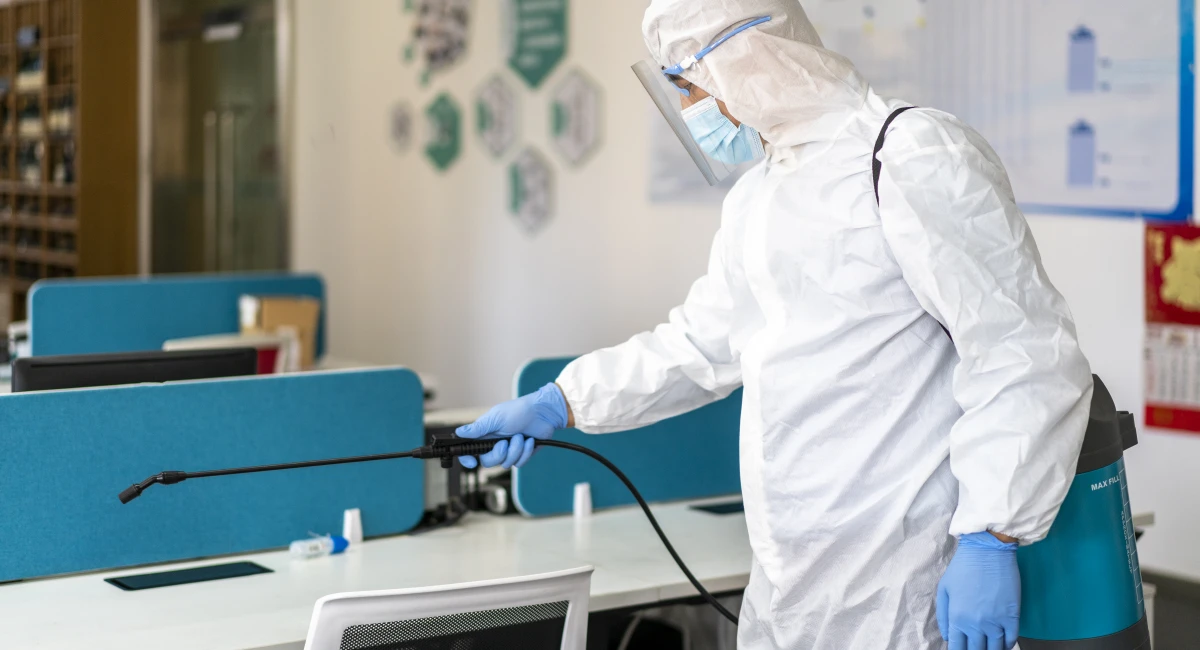
Rentokil offers pest disinfection services to reduce the risk of illnesses associated with infestations.
Rentokil Initial is your pest control and hygiene expert with over 60 years of experience in protecting the health of Hong Kong people and is the first choice for commercial and residential pest control services.
Complete the "Contact Us" form on the website or call +85229546888
Every time we receive your pest control needs, we will call you for details and arrange on-site inspections depending on the situation
Experienced and professionally trained service technicians are at your service
Found pests in your premise? Our experts will help you thoroughly eliminate them and provide proofing recommendations.
All areas of the premises are thoroughly disinfected, including high-touch surfaces and hard-to-reach areas.