myRentokil
Manage your business
Midge bites, while uncomfortable, are generally not dangerous to humans. By understanding what midges are, how they bite, and how to treat their bites, you can better manage and alleviate the discomfort they cause.
Always take preventive measures when spending time outdoors in midge-prone areas, and keep a few treatment options on hand to address bites promptly.
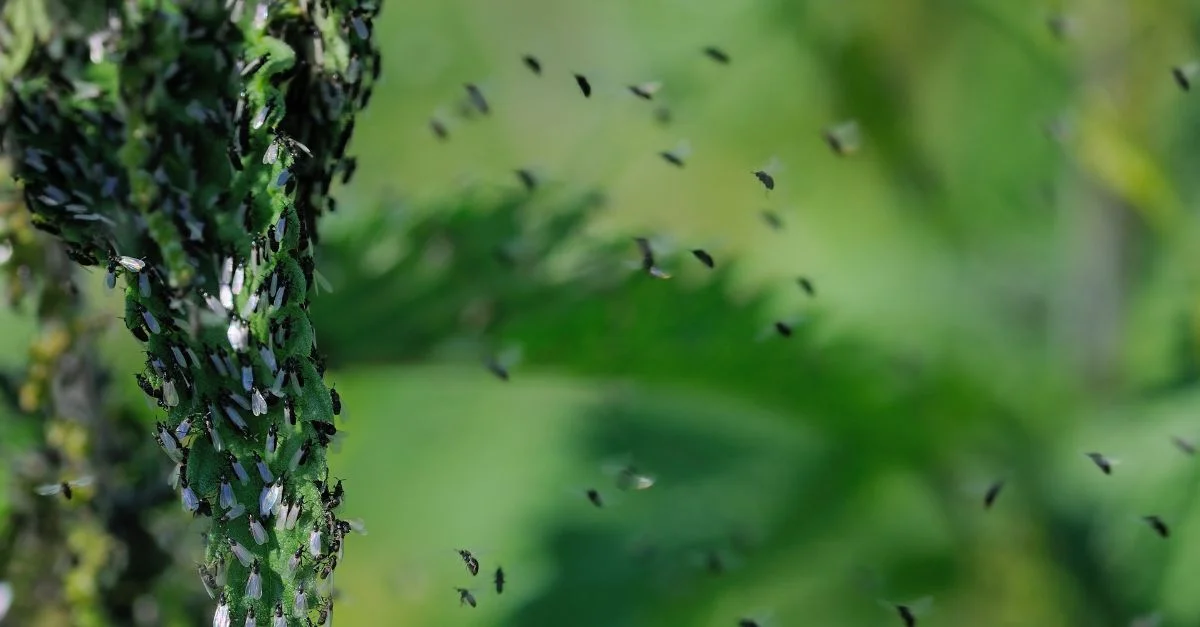
Midges are small, flying insects that belong to the family Ceratopogonidae. Often referred to as "no-see-ums" due to their tiny size, these pests are commonly found in damp, marshy areas and are most active during twilight hours.
Despite their size, midges can cause significant discomfort through their bites. Their bites are even more itchy and painful than mosquitoes.
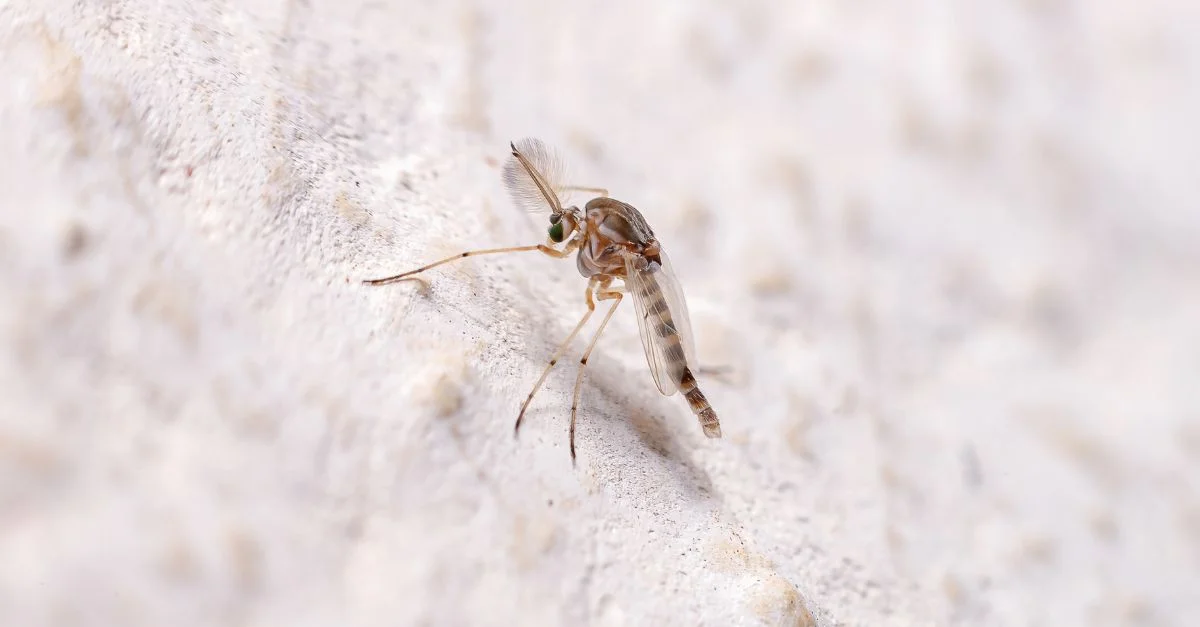
Midges are attracted to:
When you spend time outdoors, especially near water bodies in the early morning or late afternoon, you are at an increased risk of midge bites.
Midge bites can be identified by the following characteristics:
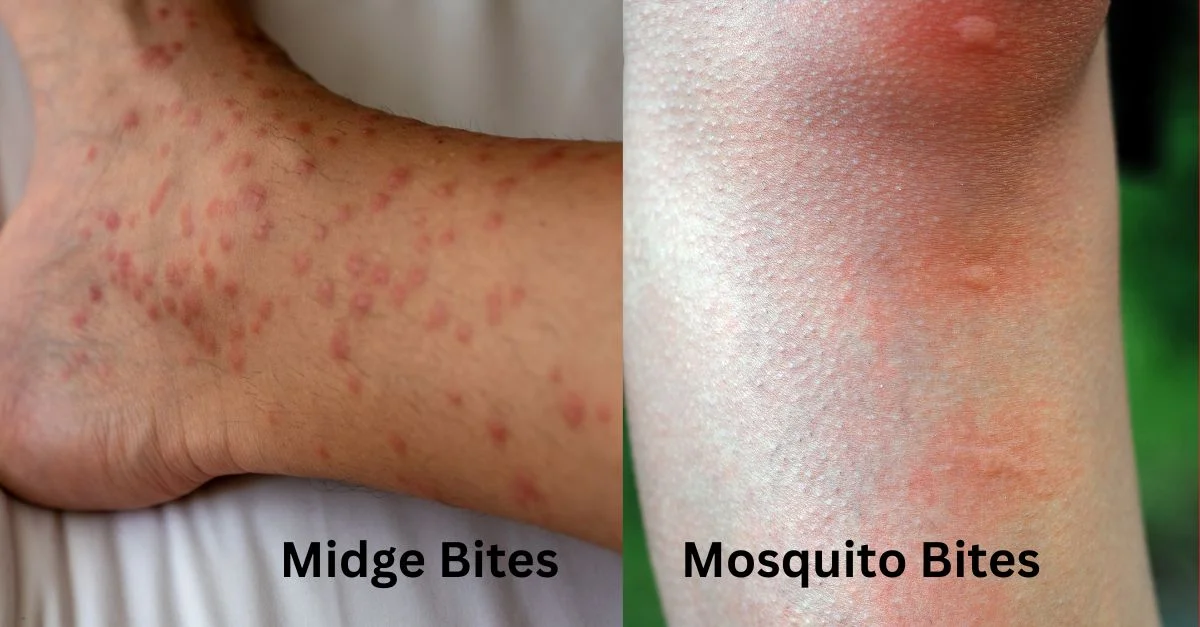
While midges are known for their irritating bites, the good news is that they are not major carriers of human diseases. However, they can transmit diseases to livestock, which can have significant economic impacts.
Treating midge bites involves several steps to alleviate discomfort and prevent infection:
In rare cases, midge bites can cause severe allergic reactions. Seek medical attention if you experience:
Contact our pest experts at +85229546888 for your home or business premise to learn more about our midge/mosquito control treatments. Using professional midge/mosquito pest control solutions, our expert technicians can help to quickly get rid of midges, whilst ensuring the safety of your family and pets.
A broad range of midge management options to suit your home and business needs