+85229546888 Call now! Request a callback

How do rats get into high-rise flats? The Hong Kong urban rodent & public health guide

Hong Kong’s dense urban landscape and unique high-rise architecture create a distinct environment for pest movement. A common misconception among local residents is that living on a higher floor provides immunity from pest infestations. However, urban rodents—particularly the Roof Rat (Rattus rattus) and the Norway Rat (Rattus norvegicus)—are remarkably adapted to navigating vertical infrastructure.

Understanding how rodents access multi-story residential premises, the serious public health hazards they present, and how to effectively seal entry vectors is essential for maintaining a safe and hygienic living environment.
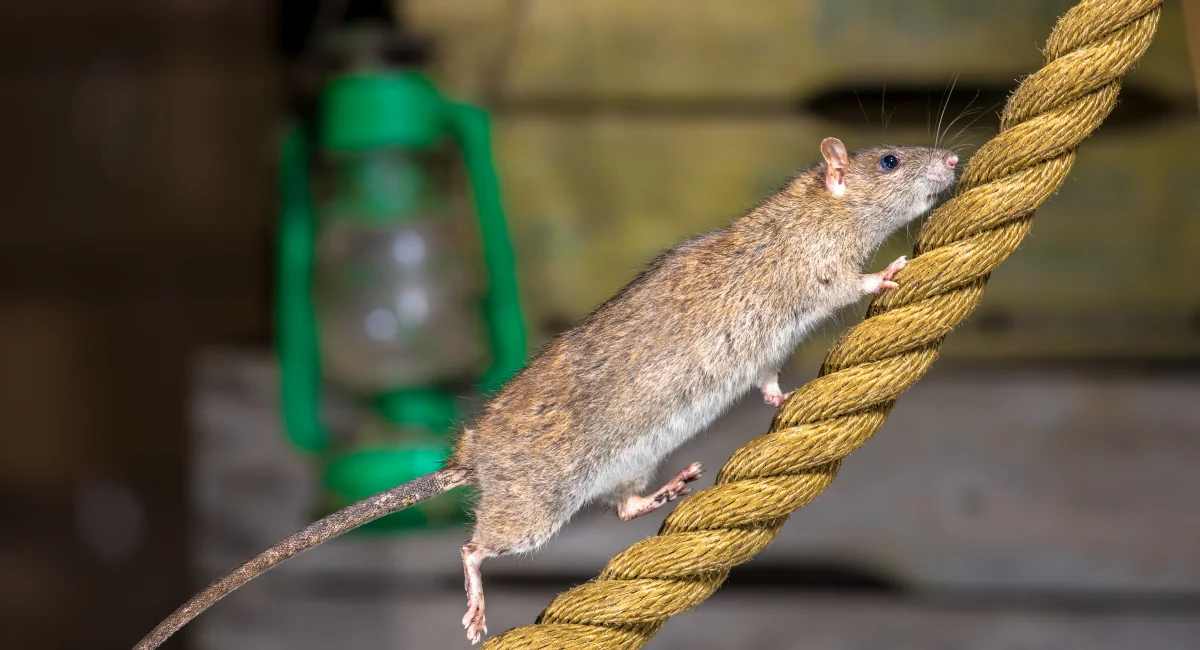
Rodents utilise connected structural utility networks to travel upward

How do rodents access high-rise premises in Hong Kong?

Rodents do not rely solely on ground-level doors or open stairwells. In Hong Kong’s vertical residential complexes, they utilise connected structural utility networks to travel upward through buildings.
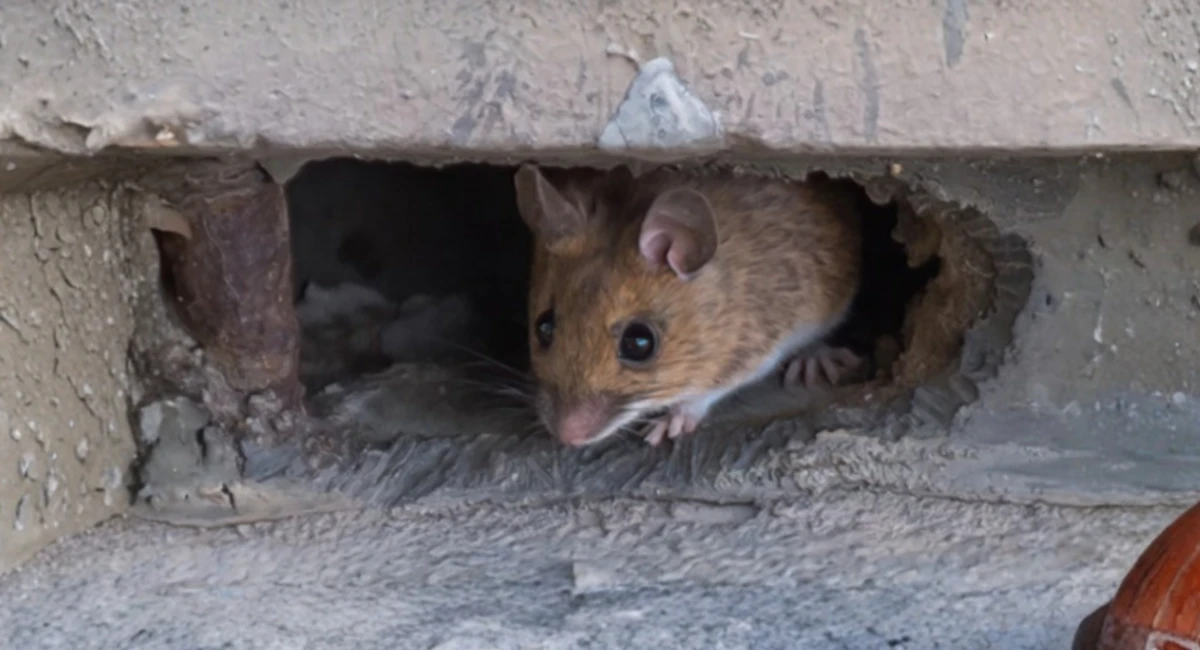
 

Key structural entry vectors in high-rise buildings

  • Refuse chutes and garbage rooms: Centralised refuse chutes act as vertical highways for pests. Organic waste accumulating in or around chute rooms provides a continuous food source and direct vertical travel paths across all floors.
  • Drainage and sewer lines: The Norway Rat is an adept swimmer and burrower that frequently travels upward through sewer pipes, entering flats via dry P-traps, unsealed floor drains, or damaged toilet connections.
  • Exterior pipes and utility risers: Roof Rats are exceptional climbers. They easily scale exterior gas pipes, drainage risers, and electrical conduits. If utility entry points on external walls are unsealed, rodents enter directly into false ceilings or utility voids.
  • Air conditioner line conduits: Split-type air conditioners require wall penetrations for refrigerant piping and drainage tubes. Gaps surrounding these wall sleeves frequently serve as direct entryways into bedrooms and living spaces.
Rodents possess flexible skeletal structures and powerful incisors

Structural capabilities: how small a gap can a rat fit through?

Rodents possess flexible skeletal structures and powerful incisors that enable them to exploit minor building defects:

Rodent Species

Minimum gap needed for entry

Primary infiltration trajectory

Roof Rat
(Rattus rattus)

12 mm (approx. width of a human thumb)

Scales exterior pipes, utility conduits, air conditioning lines, and roof voids.

Norway Rat
(Rattus norvegicus)

20 mm (approx. size of a 20-cent coin)

Sewer networks, floor drains, ground-floor refuse stores, base pipes.

House Mouse
(Mus musculus)

6 mm (approx. width of a pencil)

Gaps under doors, loose utility plates, minor wall cracks.


Fact: If a rodent can fit its head through an opening, its body can follow. Furthermore, rodents possess an enamel hardness of 5.5 on the Mohs scale—harder than copper or aluminum—allowing them to chew through wood, plastic, soft metals, and unreinforced concrete to enlarge small gaps.
Rodents carry pathogens that pose significant risks to public health

Public health risks: why rodent infestations are a serious threat

Beyond causing structural damage by gnawing through electrical wiring (a major cause of mysterious short circuits and fire hazards in Hong Kong flats), rodents carry pathogens that pose significant risks to public health.

 

Primary health hazards in dense living environments

  1. Rat Hepatitis E virus (HEV): Hong Kong was the site of the world’s first documented human case of Rat Hepatitis E. Transmission typically occurs through the consumption of food or water contaminated with rodent faeces or urine, or through direct contact with contaminated surfaces.
  2. Leptospirosis: A bacterial infection transmitted through water or food contaminated with urine from infected rodents. Entry occurs through mucous membranes or cuts in the skin, potentially leading to kidney and liver damage if untreated.
  3. Foodborne pathogens (Salmonella & E. coli): Rodents constantly shed bacteria from their paws, fur, and digestive tracts onto kitchen countertops, cookware, and exposed food stores.
  4. Severe allergies and asthma: Dried rodent urine, saliva, and dander disintegrate into fine airborne particles, triggering chronic respiratory distress and severe allergic reactions, particularly in children and the elderly.
Standard retail solutions usually provide only short-term relief

Why DIY methods often fail in urban environments

Standard retail solutions such as glue boards, store-bought snap traps, or ultrasonic repellents usually provide only short-term, localized relief:

  • Neophobia (fear of new objects): Rats are naturally suspicious of new items introduced into their territory. They frequently avoid newly placed traps for days or weeks.
  • High reproductive capacity: A single pair of rats can yield hundreds of offspring in a single year under optimal urban conditions. Trapping a few individuals does not outpace their reproduction rate if the nest remains intact.
  • Failure to address entry points: Trapping rodents inside a premise without sealing structural entry points creates a cycle where new rodents continually replace those captured.
Rentokil Hong Kong's certified technicians

How Rentokil Hong Kong's professional services protect your premises

Resolving a high-rise or commercial rodent issue requires a systematic, professional approach focused on long-term prevention and exclusion rather than reliance on chemical treatments alone.
 

Integrated Pest Management (IPM) framework

  • Detailed site risk assessment: Rentokil’s certified technicians conduct thorough inspections of utility voids, false ceilings, pipe penetrations, refuse connections, and exterior walls to identify specific infestation sources and entry routes.
  • Professional rodent proofing (exclusion): Technicians seal identified access points using industrial-grade, gnaw-proof materials (such as high-density mesh, stainless steel escutcheon plates, and specialised rodent-resistant sealants) to permanently block entry.
  • Targeted, non-toxic control solutions: Depending on the environment, Rentokil utilises specialised trapping stations and non-toxic monitoring solutions tailored for sensitive indoor spaces like kitchens and bedrooms.
  • Digital pest control & sensor technology: Advanced electronic monitoring systems offer continuous, 24/7 detection by alerting pest control specialists immediately upon rodent activity, allowing for prompt intervention before an infestation scales.
  • Sanitation & structural advice: Technicians provide actionable recommendations to eliminate harborage sites and attractants, ensuring your premises remain resilient against future infestations.

Frequently asked questions

1. Can rats climb up toilet pipes into Hong Kong high-rise flats?

Yes. The Norway Rat (Rattus norvegicus) is an expert swimmer capable of navigating sewer lines and water-filled U-bends/P-traps. Maintaining water levels in floor drain traps and ensuring pipe integrity prevents pests from emerging through sanitary fixtures.
 

2. How do I know if I have a rodent issue if I haven't seen an actual rat?

Common signs include dark, capsule-shaped droppings (approx. 10–15 mm) in hidden areas, grease rub marks along walls or baseboards, gnaw marks on food packaging or cabling, and scratching sounds coming from false ceilings or utility voids at night.
 

3. What should I do immediately if I spot a rat in my flat?

Isolate the area by closing internal doors to contain the pest, safely cover exposed food, avoid touching the animal or its droppings directly, and contact a professional pest control service to identify the entry point and deploy safe removal measures.

Protect your home and health from urban pests. Contact us today for a professional rodent inspection and tailor-made proofing solution.