myRentokil
Manage your business
A recent report about suspected hantavirus cases on the Dutch-flagged MV Hondius is a sharp reminder that “rare” does not mean “impossible”—especially in closed, high-occupancy environments. In this incident, the World Health Organization (WHO) said it suspects some rare human-to-human transmission among very close contacts, while reiterating that human-to-human transmission is not common and that the risk to the wider public is low because hantavirus is typically linked to contact with infected rodents.
This isn’t a story businesses should read as cruise-ship drama. It’s a case study in why rodent-risk management needs to be treated as a health protection system, not a reactive “pest problem.” When operations involve shared rooms, shared facilities, busy service corridors, and frequent deliveries—whether that’s a ship, a hotel, or a large venue—small weaknesses in hygiene, storage, and proofing can combine into a bigger exposure risk.
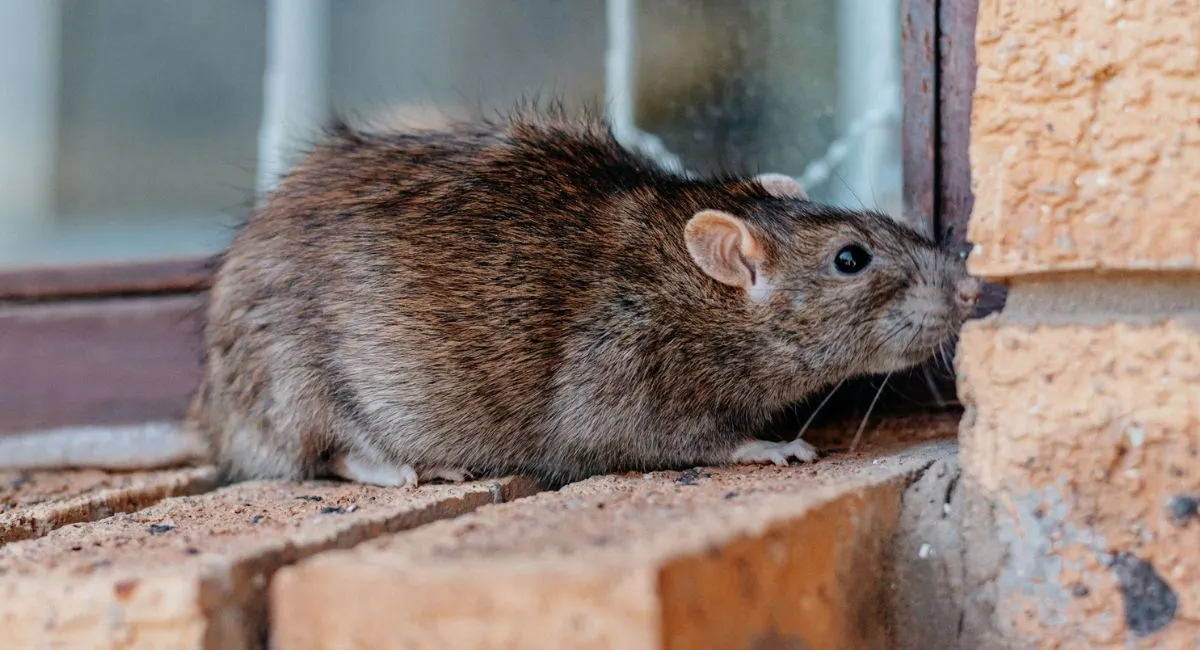
Hantavirus is a group of viruses primarily carried and transmitted by rodents (such as rats and mice). Unlike many other pathogens, hantavirus does not need to spread through a direct bite. The virus is shed through the urine, droppings, and saliva of infected rodents.
When rodent waste dries out, viral particles can become airborne. Simply sweeping a contaminated floor or disturbing a rodent nest can release these particles into the air, where they may be inhaled by unsuspecting staff or guests. This makes rodent activity hidden in ventilation systems, storage rooms, or food preparation areas extremely dangerous.
In high-traffic environments such as cruise ships, hotels, and restaurants, the rapid movement of goods and people creates many opportunities for pests to enter and breed. Relying on reactive measures (i.e., acting only after rodents are spotted) is a high-risk strategy that can lead to serious health crises, business shutdowns, and irreparable reputational damage.
To protect public health and meet strict safety standards (such as HACCP certification for food handling areas), businesses must adopt an Integrated Pest Management (IPM) approach.
Protecting your premises requires a combination of vigilance, hygiene management, and professional intervention:
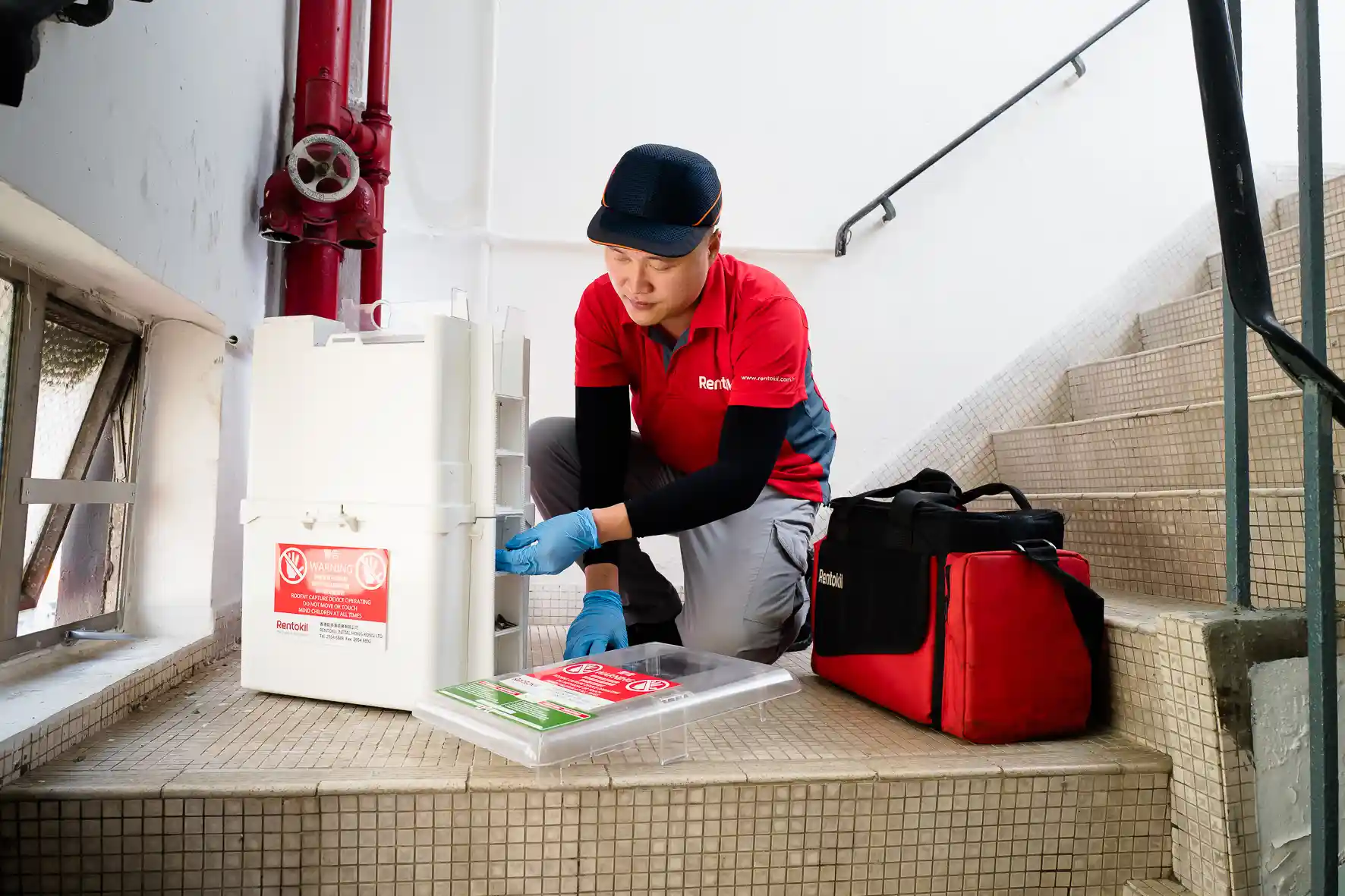
Managing the complex requirements of commercial premises requires professional expertise. At Rentokil Initial, we provide tailored, science-based pest control solutions designed to protect your business, employees, and customers. Through comprehensive risk assessments, our experts ensure your premises remain safe, compliant, and pest-free.
Contact Rentokil Initial today to arrange a full on-site inspection and learn how our Integrated Pest Management solutions can protect your operations.
Rentokil offers pest disinfection services to reduce the risk of illnesses associated with infestations.
Rentokil Initial is your pest control and hygiene expert with over 60 years of experience in protecting the health of Hong Kong people and is the first choice for commercial and residential pest control services.
Complete the "Contact Us" form on the website or call +85229546888
Every time we receive your pest control needs, we will call you for details and arrange on-site inspections depending on the situation
Experienced and professionally trained service technicians are at your service
Found pests in your premise? Our experts will help you thoroughly eliminate them and provide proofing recommendations.
All areas of the premises are thoroughly disinfected, including high-touch surfaces and hard-to-reach areas.