1-855-633-6260 Call us for a free quote Contact us

Common fly species


Some species are more common than others and are attracted to different environments suited to their natural habits and lifecycle.

Knowing about the appearance, location and habits of different fly species can help to identify the most effective prevention and fly control methods for your business.

If you are having issues with flies in your facility, contact us today 1-855-633-6260.
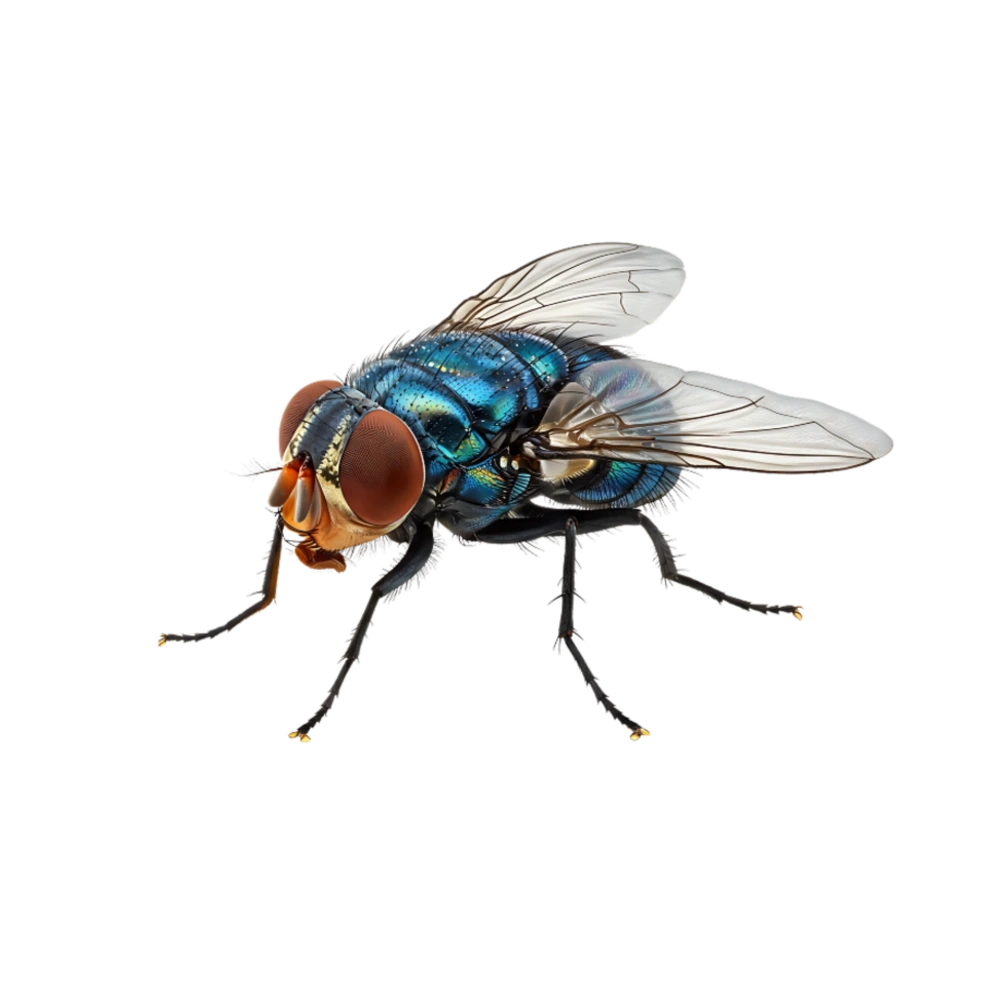
Bluebottle

Bluebottle fly

(Calliphora vomitoria)

Key facts

  • Size: Adults are ¼ " - ⁹⁄₁₆" long
  • Color: Metallic blue
  • Habitat: Barnyards, pastures, pet feces, garbage and decaying materials
  • Diet: Rotting organic matter, including animal carcasses or garbage
  • Bite: Do not bite or sting humans or animals
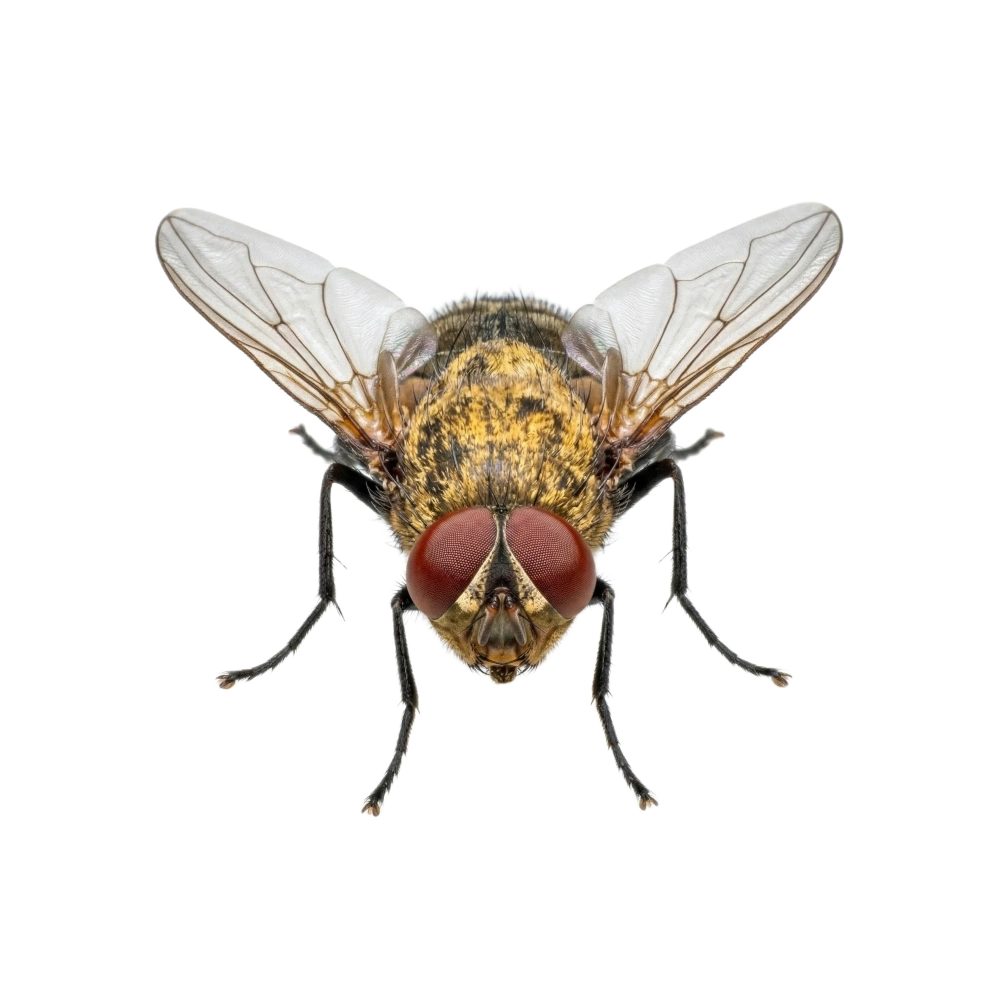
cluster fly

Cluster fly

(Pollenia rudis)

Key facts

  • Size: ¼” – ⅜” long
  • Color: Dark grey-olive thorax clothed with crinkly yellow-brown hairs
  • Habitat: In warmer months, they seek out sunlight, gathering in clusters near windows, lights, and door frames. In colder months they hide in attics, cracks, crevices, and wall voids.
  • Diet: Larvae feed on earthworms and adults feed on flowers.
  • Bite: Do not bite humans or animals
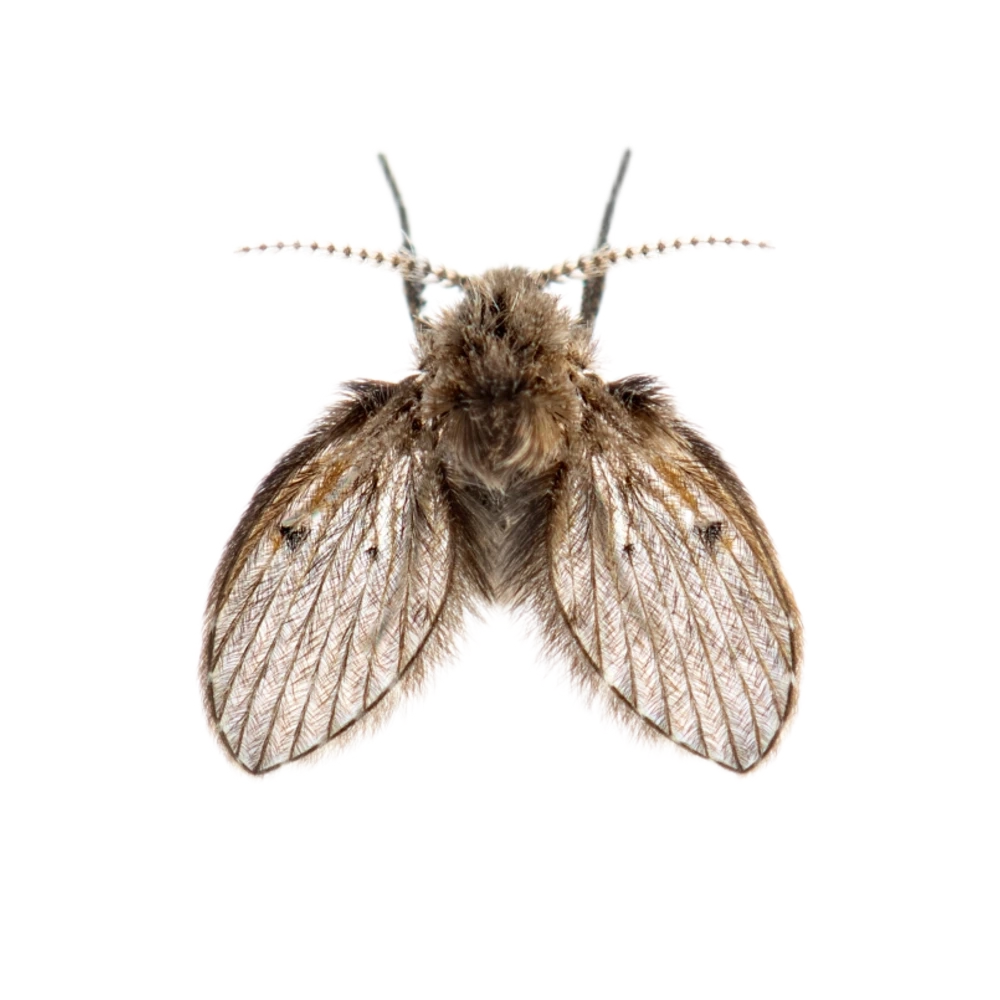
Drain fly

Drain fly

(Psychodidae)

Key facts

  • Size: About 1/16” long
  • Color: Tan/greyish color body
  • Habitat: Damp environments with organic matter - sinks, drains, and sewers; can also be found by compost piles and rotting logs
  • Diet: Decomposing organic matter and sewage
  • Bite: Do not bite humans or animals
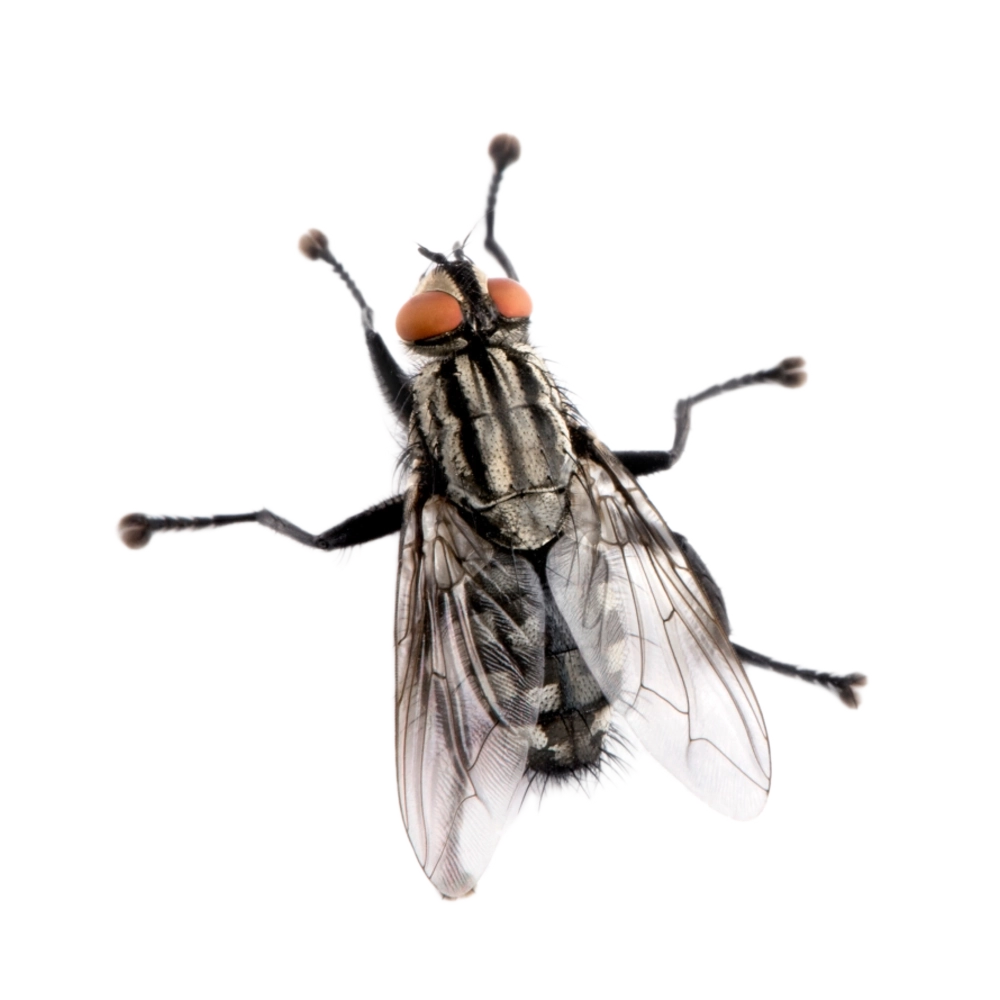
Flesh fly

Flesh fly

(Family - Sarcophagidae)

Key facts

  • Size: ¼” - ⁹⁄₁₆” long
  • Color: Thorax is light grey with three dark longitudinal stripes; abdomen is spotted with dark patches to give a checkerboard appearance
  • Habitat: Found outside on flowers and near food sources that include decaying wastes, excrement and human foods
  • Diet: Get nourishment from liquids, so they infest open wounds, animal remains, and excrement
  • Bite: Do not bite humans or animals
Flesh fly

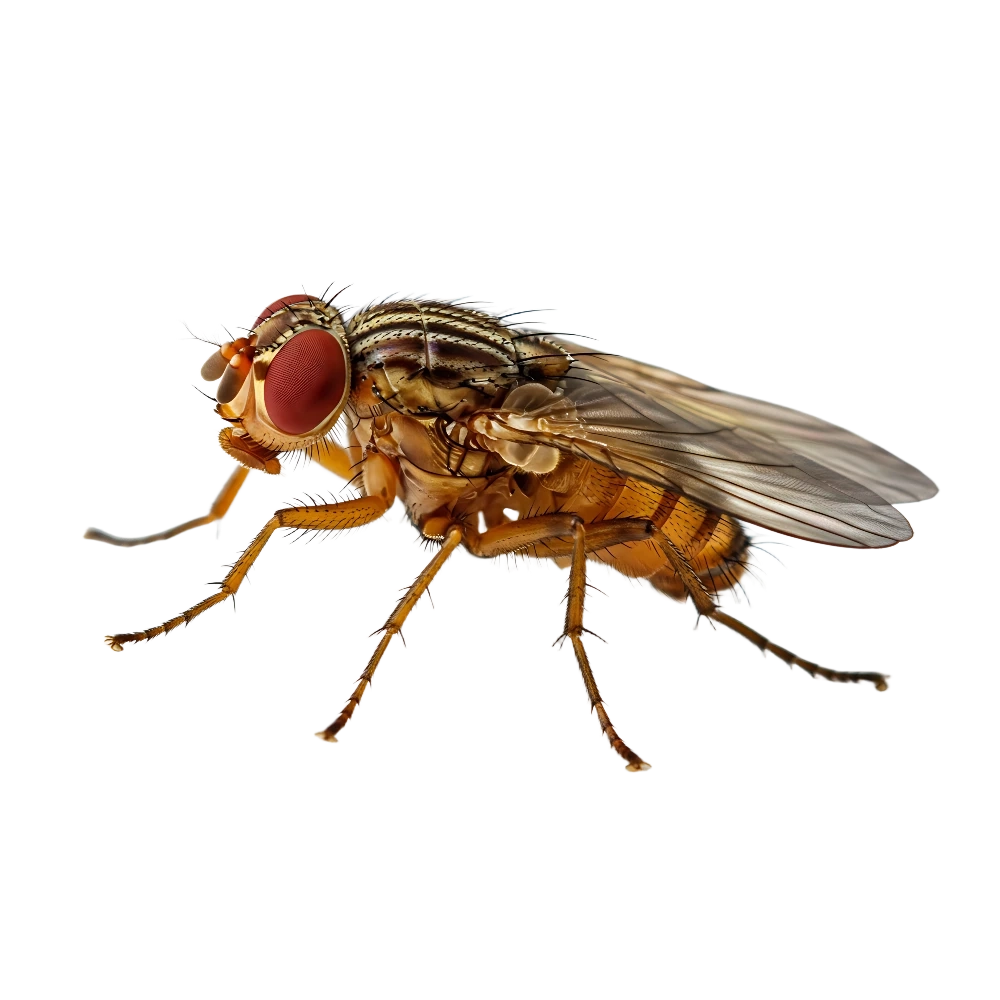
Fruit fly

(Drosophila species)


Key facts

  • Size: About ⅛” long
  • Color: Tan to brownish-yellow or brownish-black
  • Habitat: Drains, garbage bins, garbage disposals, empty pop and beer cans
  • Diet: Fruit, vegetables,  and decaying organic matter
  • Bite: Do not bite humans or animals
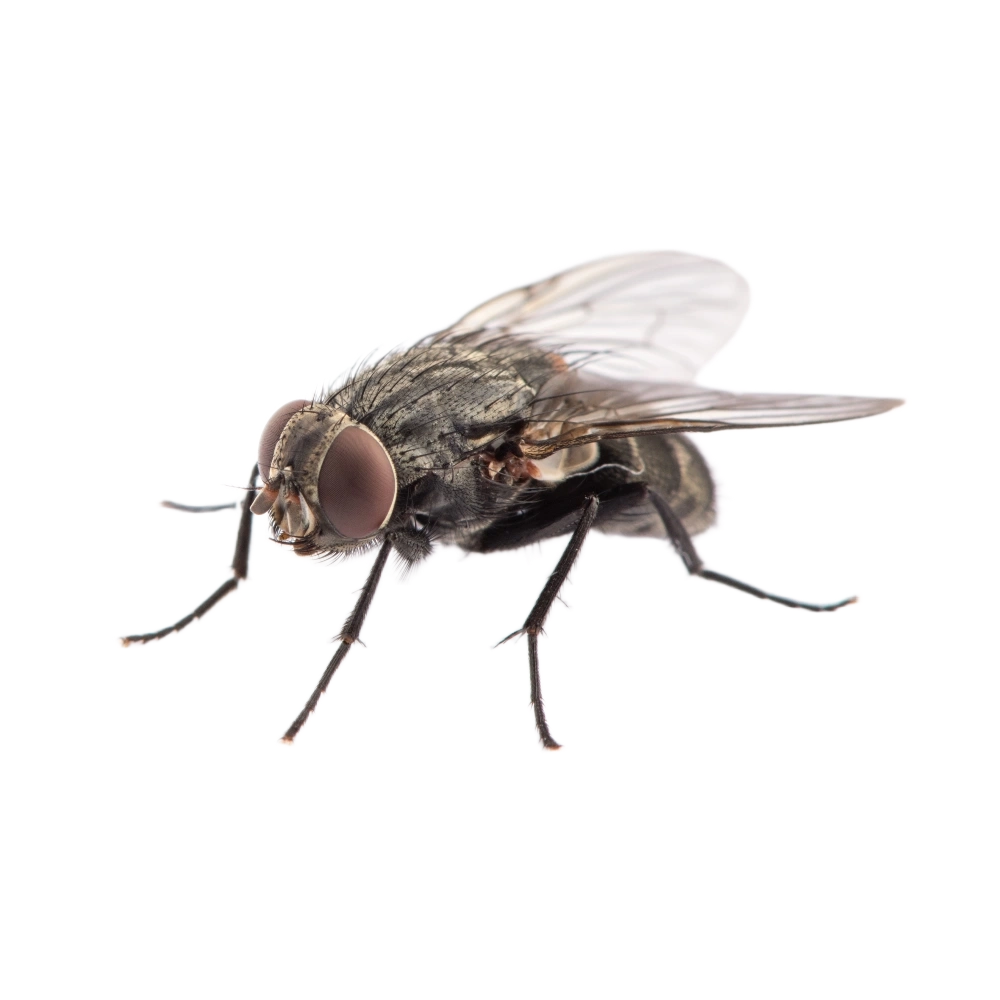
house fly

House fly

(Musca domestica)

Key facts

  • Size: Adults are ³⁄₁₆” – ⁵⁄₁₆”  in length
  • Color: Grey thorax with four narrow stripes; buff or yellow-colored abdomen
  • Habitat: Rest on windows, doors, and various objects in the daytime and ceilings, walls, electric wires, and plants at night
  • Diet: Decaying matter, human food and animal feces
  • Bite: Do not bite humans or animals

Get in touch

Contact an expert

How to get rid of flies

Get safe, professional, targeted treatments to quickly remove flies