1-855-633-6260 Call us for a free quote Contact us

What do cockroaches look like?

Cockroaches are found all over the planet and if your facility is in a city, it is likely that you have seen them in the alleys, among the garbage cans or even running around kitchens or breakrooms. They are unsanitary scavengers that humans have battled for centuries.

There are many cockroach varieties in many sizes, shapes and colors, so it can be hard to identify them. If you find insects scurrying around your dining spaces, beneath sinks or in cabinets, it is very difficult to identify the pest accurately. How can you tell the difference between a cockroach and a variety of beetle or weevil? What do cockroaches look like? Find out below.

Cockroach description

Cockroaches are six-legged insects and, according to scientists, they have remained pretty much the same as they were back when dinosaurs roamed the planet.

Cockroaches have:

  • Flat bodies
  • A thorax with three segments
  • An abdomen with ten segments
  • Large compound eyes
  • Two large, flexible antennae
  • A tough exoskeleton
  • Wings
  • Small claws at the end of their legs

They range in size from about one to three inches long depending on the species. The heaviest cockroach can weigh more than one ounce.

Bugs that look like cockroaches

There are a number of insects that are commonly confused with cockroaches. It is important to know exactly what pests are on your property in order to provide the right pest control program and services.

Ground beetles

Seemingly similar in shape and color to cockroaches, a close examination shows the head and body are actually differently shaped. Many beetles, such as June bugs, can fly and do so often. Cockroaches rarely fly.

Water bugs

Often confused with cockroaches, they look very similar as they have roughly the same shape and color. However, water bugs are blood-feeding insects and are generally larger than roaches. Water bugs prefer to be around water.

Crickets

Their size and shape can cause confusion among business owners. Crickets have differently shaped legs and many species are smaller and darker in color than cockroaches. The back legs allow them to jump high and far.

Different names for cockroaches

Many think that water bugs, Croton bugs and palmetto bugs are all different species of insects when in reality they are all just alternative names for a variety of cockroach species. The palmetto bug is the American cockroach, the water bug is the oriental cockroach, and the Croton bug is the German cockroach.

Cockroach species

There are over 3,000 types of cockroaches — some are considered pests while others benefit their natural environment. The three main types of cockroaches commonly found in U.S. include the German cockroach, Oriental cockroach and American cockroach.

Find more detailed information below about these common species.
ant

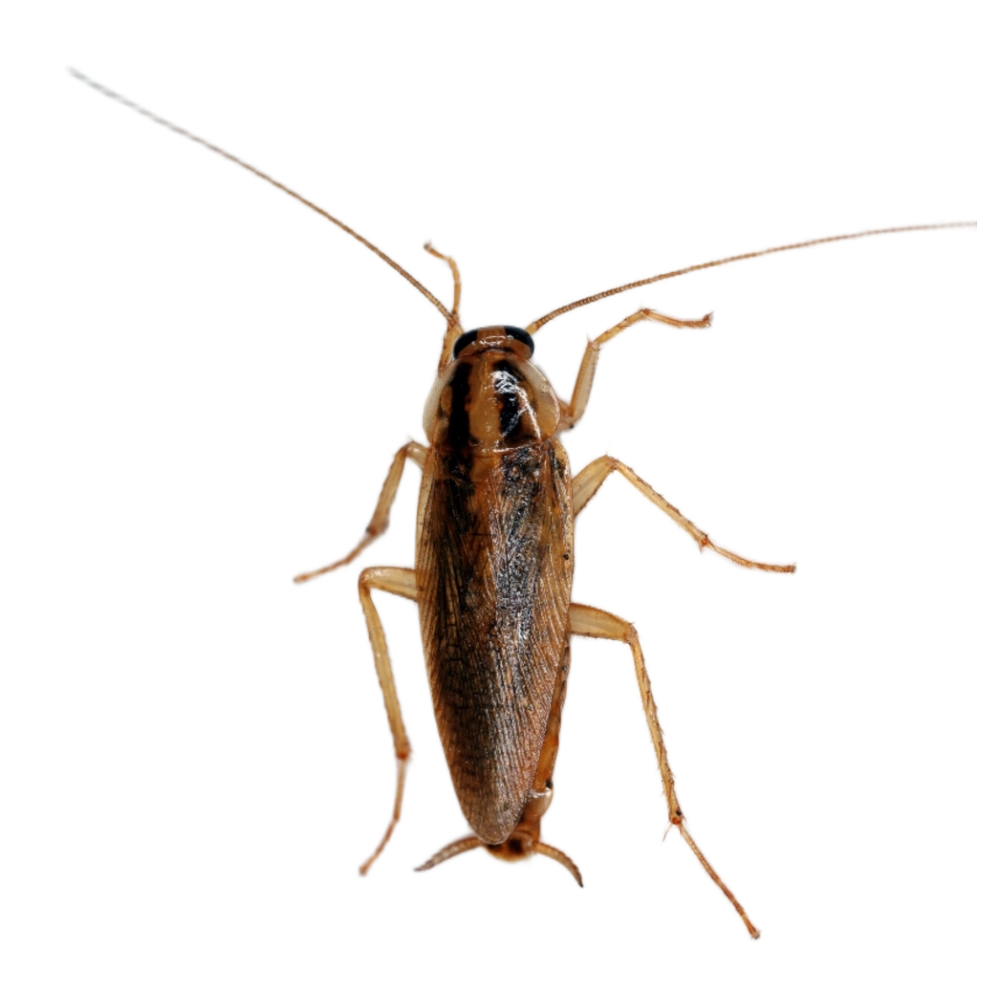
German cockroach

(Blattella germanica)

  • Color: Light brown with 2 dark longitudinal stripes on their pronotum
  • Length: 1.2-1.4 centimeters

  • Females carry 35-40 eggs in an ootheca (egg case) until they are ready to hatch
  • Eggs hatch in 1 month
  • Nymphs take between 6 weeks and 6 months to develop into adults
  • 3-4 generations per year

  • Most commonly found indoors
  • Prefer wet, humid conditions and are typically found in kitchens and bathrooms
ant

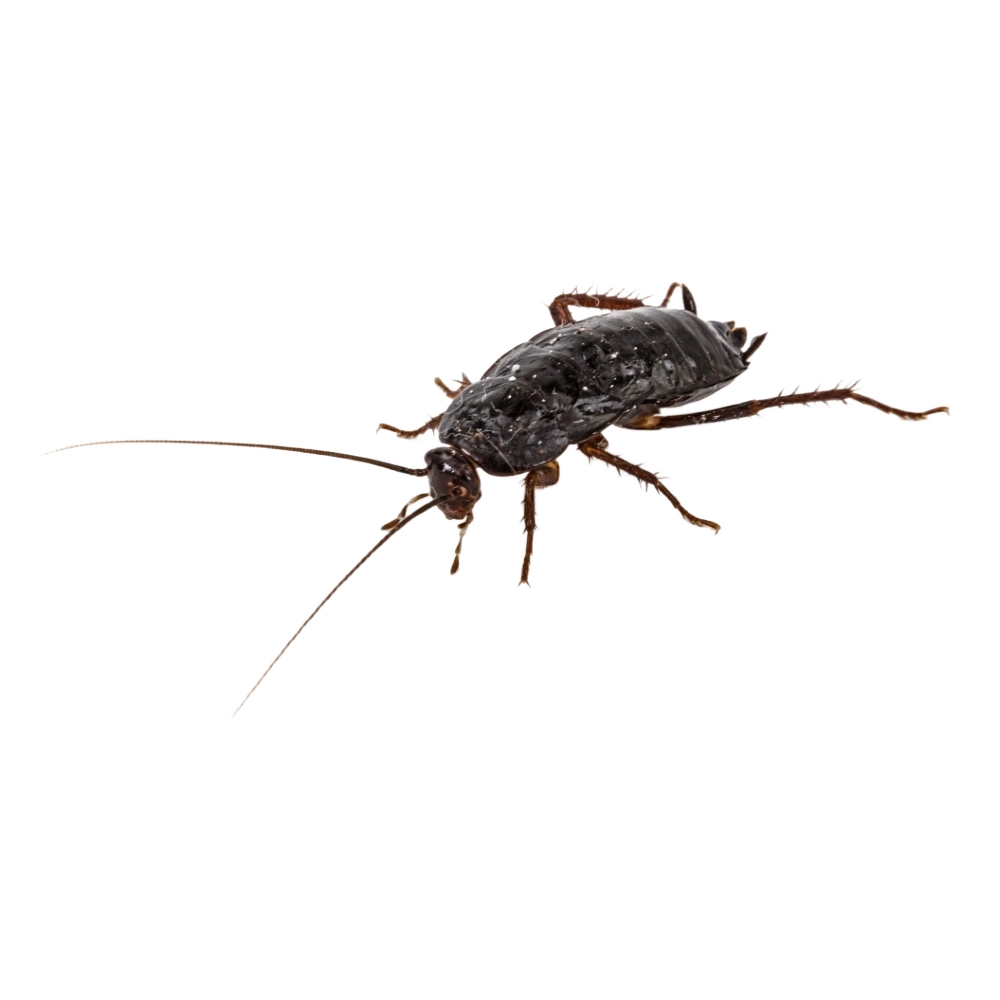
Oriental cockroach

(Blatta orientalis)

  • Color: Dark brown or black
  • Length: 2- 2 ½ centimeters
  • Wings: Undeveloped in females and cover ¾ length of the abdomen in males

  • Females deposit 16 eggs in an ootheca (egg case)
  • Eggs hatch in 2 months
  • Nymphs take 6-18 months to develop into adults

  • Thrive in cool, damp areas, drains and openings beneath porches
  • Known for their preference for feeding on garbage and decay
  • Often found in landfills and leaf litters
  • Runs instead of flies
ant

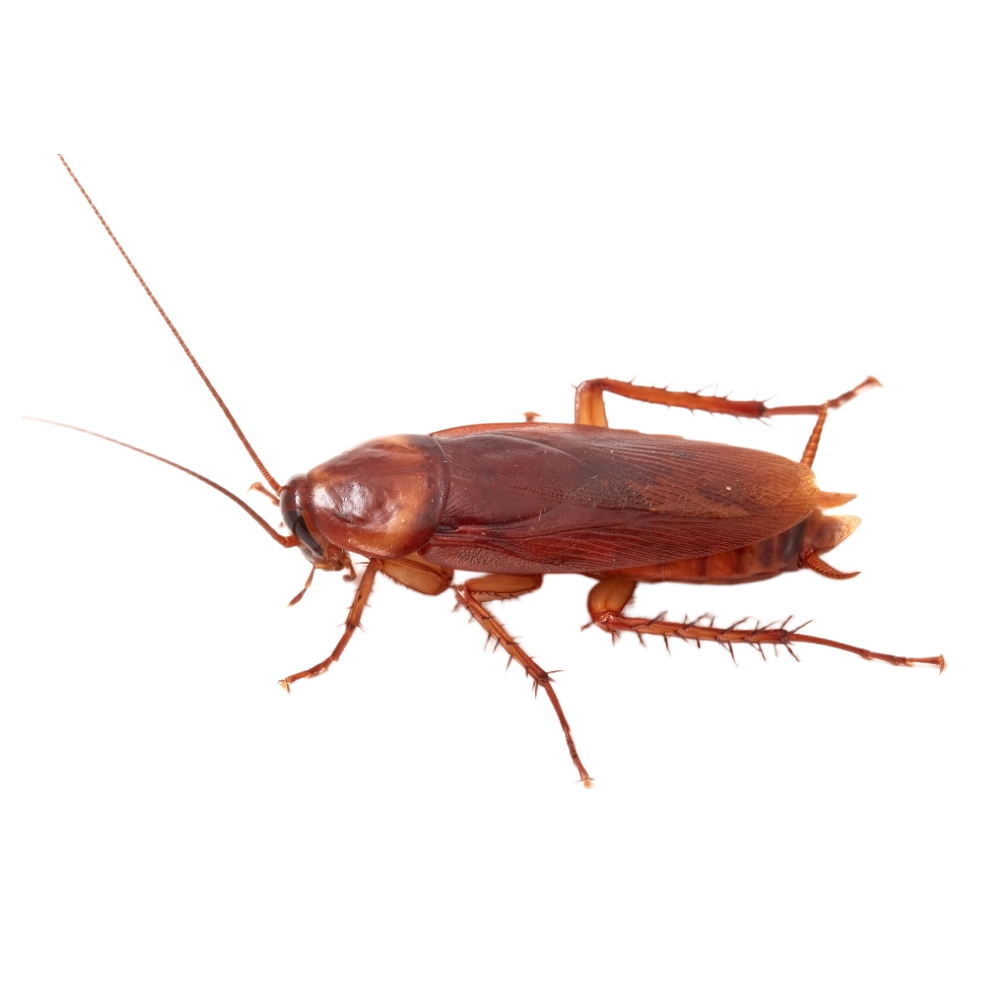
American cockroach

(Periplaneta americana)

The American cockroach is one of the largest pest cockroaches to invade commercial properties.
  • Color: Red-brown
  • Length: 3 ½ - 4 centimeters
  • Wings: Longer than the body in males and only just overlap the abdomen in females

  • Females carry the ootheca (egg case) with up to 16 eggs inside for several days before depositing it
  • Oothecae are sometimes cemented down and tend to be grouped
  • Eggs hatch in 1-2 months
  • Nymphs usually develop in 6 -12 months but can take up to 15 months

  • Prefers dark, humid and undisturbed areas such as subfloors, basements, kitchens, roof voids and bathrooms
  • Sometimes live on trees
  • Runs but may fly in very high temperatures
ant

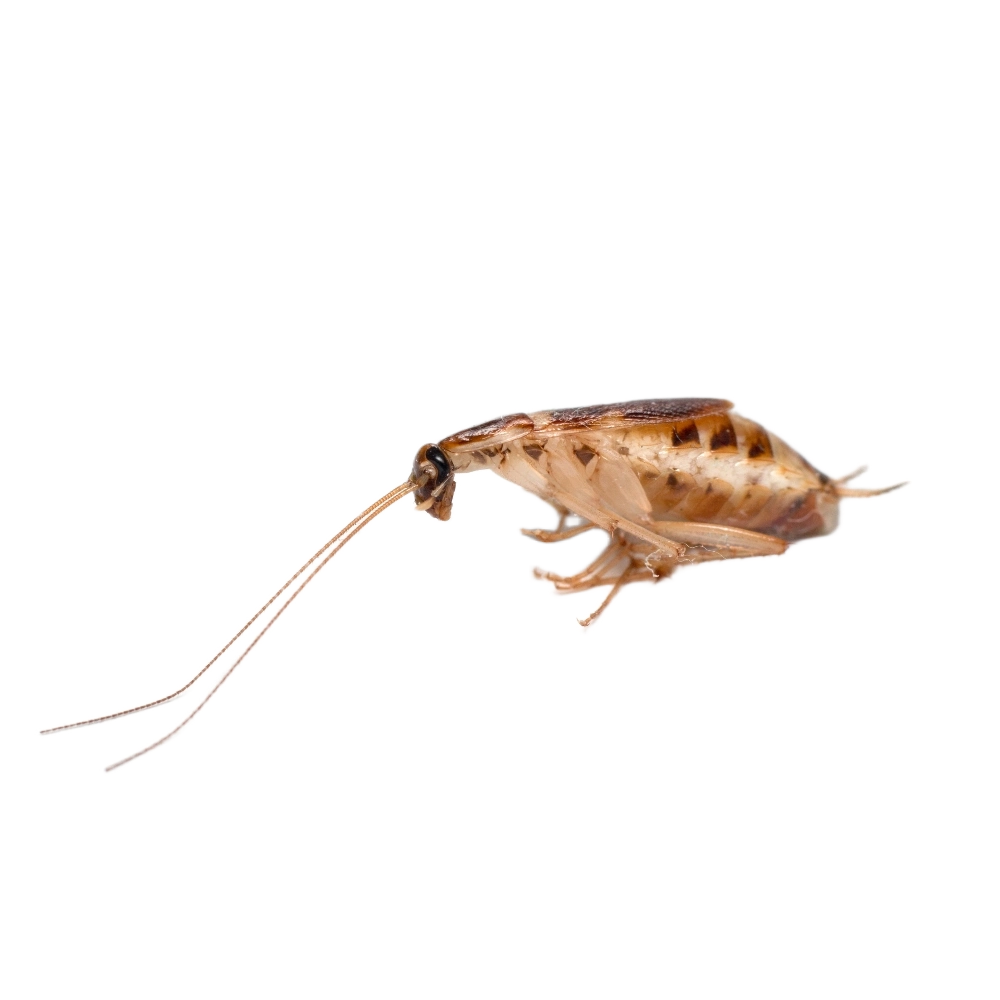
Brown-banded cockroach

(Supella longipalpa)

  • Color: Light brown with two distinctive brownish bands wrapped around their wings and abdomen
  • Length: 1 - 1 ½ centimeters
  • Wings: Males have full length wings that stretch beyond their abdomen and allow them to fly. Females have undeveloped wings that prohibit them from flying.

  • Females carry the ootheca (egg case) with 10-18 eggs inside for 24-36 hours before attaching it to the underside of a surface to hatch
  • A female will produce approximately 14 egg capsules in her lifetime
  • Nymphs usually develop in 3 months in an ideal location but can take up to a year in harsher environments
  • Adults have an average life span of 206 days

  • Attracted to dry and warm locations like the inside of cabinets, pantries and closets
  • Less likely to be found in restaurants and kitchens than the German cockroach
  • Avoids water sources and can be found hiding near ceilings, behind picture frames, in desks and in electronic equipment
  • Found commonly in the Northeastern, Southern and Midwestern parts of the United States

The pest control professionals

The best way to make sure that the insects that you find around your business are cockroaches is to call in the highly trained Technicians at Rentokil. We are cockroach experts and can identify which insect is infesting your business. We can discuss the proper cockroach control and prevention methods that will work best for your property.

The first step is to schedule a free inspection of your business by calling us at 1-855-633-6260 or use our online contact form.

The Rentokil brands

Meet the Rentokil family of pest control companies

Get in touch

Eliminate cockroaches

It's crucial that your business stay cockroach-free but Rentokil knows how to get rid of cockroaches. Learn more here about cockroach control.