PestNetOnline
Login© 2026 Rentokil Initial plc and subject to the conditions in the Legal statement
Rodent exclusion is a preventive treatment that keeps rats and mice out of your business by physically sealing up cracks, gaps, and holes around your building. By blocking these entry points with durable materials, you can stop an infestation before it ever starts.
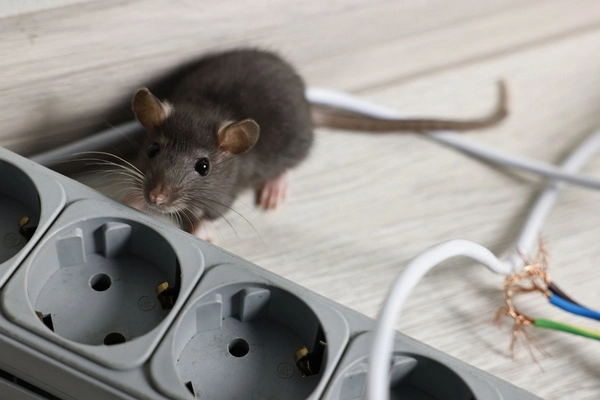
Rodents like mice and rats can cause major headaches for a business by chewing through wires, contaminating products, and damaging your building's structure. By implementing pest exclusion, you can help keep rodents out and your business running smoothly.
Rodents need to chew constantly to wear down their fast-growing teeth. They can chew through electrical wiring, wooden support beams, insulation, and drywall. A chewed wire can easily start an electrical fire or shut down key machinery, causing unexpected downtime. Different industries face unique risks from rodent damage, with some of the most common including:
Preventing these hazards requires comprehensive commercial rodent control services that can address the root cause of entry.
Rodent exclusion and rodent control work together, but they tackle the pest problem at very different times.
Keeping pests out is much easier than chasing them down later, which is why commercial rodent exclusion serves as the groundwork for integrated pest management (IPM). IPM prioritizes prevention first, which helps protect your building and minimizes the need for reactive treatments down the road.
To help keep pests out permanently, exclusion targets the structural gaps that rodents use to invade your commercial building. Since mice can fit through holes the size of a dime and rats only need a quarter-sized opening, our experts focus on blocking key structural access points across your facility, like:
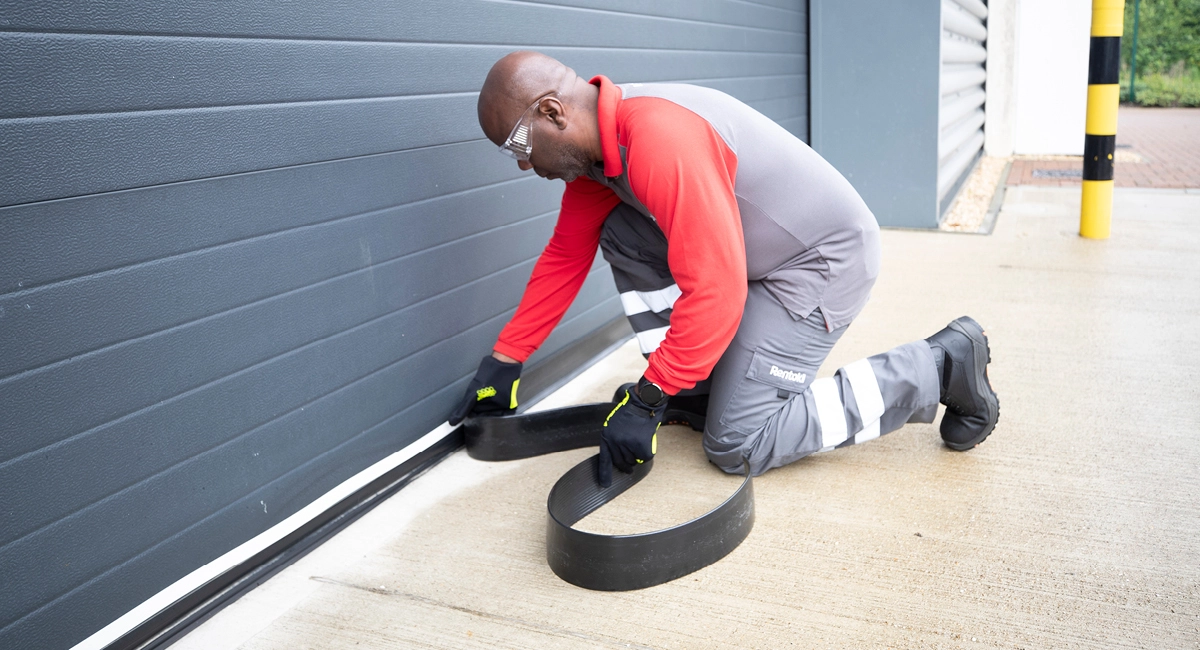
Not every material can withstand a determined rat or mouse. Rodents can gnaw through common materials such as foam, plastic, rubber, and wood, so lasting exclusion often requires stronger options. Depending on the entry point, metal mesh, sheet metal, concrete, reinforced door sweeps, and other rodent-resistant materials can be used to seal gaps and help prevent access.
At Rentokil, we take this protection a step further with our exclusive range of Flexi ArmourTM products. Made from tough, knitted stainless-steel wire, Flexi Armour creates a durable barrier that can be fitted to different gaps and openings around commercial facilities.
Spending money on exclusion now saves your business from major headaches later. Commercial pest control that focuses on prevention offers clear advantages across every industry. Here is why sealing your building is a smart investment:
Rodent exclusion starts with a thorough assessment of your facility. A Rentokil expert will look for potential entry points, signs of rodent activity, and other areas that could leave your building vulnerable. Based on what they find, they can recommend appropriate exclusion measures, such as sealing gaps or securing openings around doors and utilities with Flexi Armour or other rodent-proofing materials.
Exclusion can then work alongside ongoing monitoring and commercial pest control to provide complete protection for your facility. Contact us to learn how our commercial rodent exclusion can help keep rats and mice out of your business.