myRentokil
myRentokil login© 2026 Rentokil Initial plc and subject to the conditions in the Legal statement
The sight of these eight-legged arachnids are enough to make anyone turn tail and run, but truth be told, they are not as dangerous as we think. There are more than 48,200 species of spiders in the world, but only a small fraction of these species are dangerous.
Most of the spiders you spot at home are docile and harmless. However, they can be quite a bother to live with if they have taken to nesting in your house. In this article, Rentokil shares just why people dislike spiders, and how to deal with spiders should you find them crawling around your home.
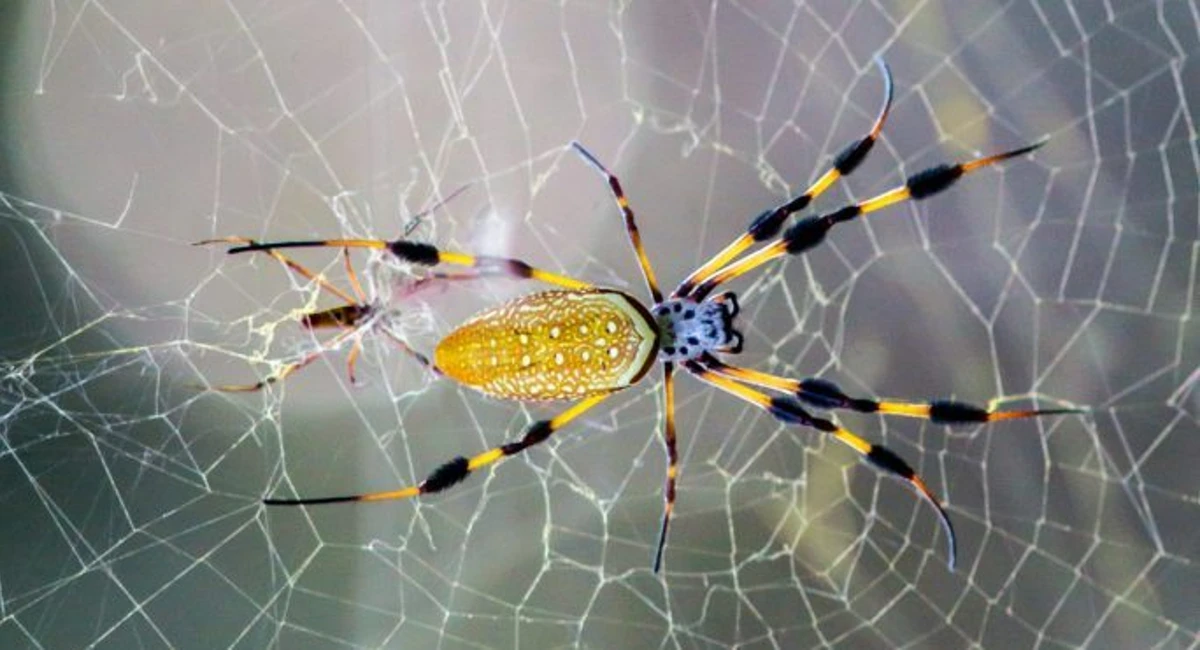
Singapore is home to quite a few species of spiders in Singapore. In fact, scientists have discovered that at least 800 species of spiders inhabit Singapore’s shores. However, many of these species are still located in the forested areas of Singapore. Closer to home, there are a handful of species more commonly seen. The most common species seen around the house are the Wolf Spider, Daddy Longlegs, Yellow Sac Spider and Garden Spider.
These spiders are typically docile and harmless to humans. However, it is important to be mindful of spider bites that can cause some mild pain, discomfort, mild swelling and skin allergy. Typically, they can resolve themselves within a few days to a week, however do seek proper medical attention if the skin irritation turns serious.
Spiders are arachnids, not insects. These creatures have eight limbs; four on each side of their body, made of two segments and only a small handful are actually harmful to humans. Most spiders are carnivorous, and they are found in the environment like the desert, rainforests, backyard, garden and everything in between lying in wait for their prey (insects). Depending on their species, most spiders prefer dark and shady areas where they can hide and wait safely for shelter or for food.
In an urban environment, spiders favour dark areas like the corners at the wall, under tables, beds, sinks, and in bathrooms. In addition, they lurk in the exterior of the home, in flowerpots, shoe cabinets and in sheds.
Spiders are difficult to deal with because of their speed, habitat preferences and hardiness. It is said that they move at speeds of up to 1.9 kilometres per hour, and with their small size, that allows them to scuttle off quickly in the face of danger, be it a slipper, rolled up newspaper, or a pet.
For the most part, most spiders like the Daddy Longlegs never venture far from their home. These critters usually come back ‘home’ as they need the shelter, humidity and food source that your home provides. If your home is deemed a habitat that checks off all the boxes and provides what they need, you might have some permanent housemates.
Spiders are also hardy creatures. They can survive a multitude of habitats, depending on their species, and have the ability to adapt to small habitat changes. If you do have a spider living in your home, a simple dusting and cleaning might not suffice in some cases, since the spider will just hide somewhere else.
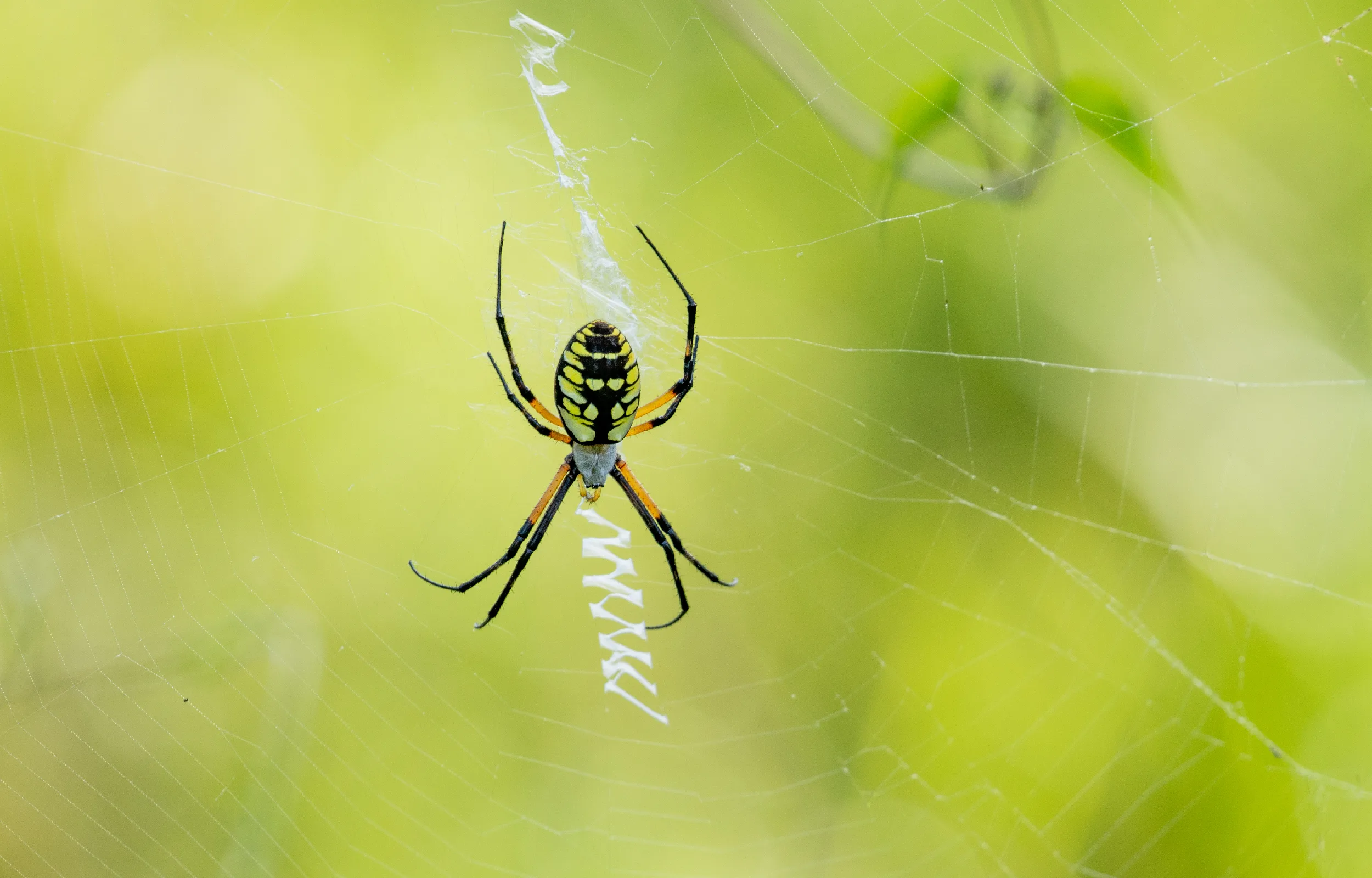
With eight legs and eight eyes, spiders can look scary to many as a creepy crawly. Many of us could have been conditioned to dislike or even fear spiders and for some, a phobia called Arachnophobia developed. Firstly, exposure to negative portrayal of spiders in villainous or predatory manners in film and pop-culture. Secondly, arachnophobia is potentially part of the evolutionary process when humans learned and avoided dangerous animals. Finally, a personally experienced spider-related fiasco, such as spider bites, spider jumping at them can play a role in shaping their view of spiders.
During mating season, a female spider can mate with many males and produce an egg sac containing several hundred eggs. When the egg sac hatches, hundreds of baby spiders enter the world. In the wild, this would pose no problem. In an apartment, well, you would now be sharing your home with more housemates than you can expect. Due to their speed, spiders are also difficult to catch, since they could easily crawl or jump behind cupboards or into hard-to-reach areas where it is difficult to nab at them, potentially worsening a spider infestation.
You may also like: Is using vinegar effective in getting rid of spiders
Spider bites are rare, but do occur as most spiders do not bite, and neither does this pest actively seek out a blood meal. They only bite when they feel threatened or when they are trying to defend themselves or their egg sac. In the event of most spider bites, the bites are small and subside within a week, causing little to no harm or complications.
However, certain species like the Black Widow Spider, Brown Recluse Spider and Yellow Sac Spider are aggressive species that will bite. Depending on the type of aggressive species, the bites are often painful and result in pain, swelling and physical reactions ranging in severity.
Reactions could range from simple swelling to nausea, abdominal cramping and breathing difficulties, as well as secondary infections if the bite becomes infected. If you suspect that a spider bites you, seek medical attention immediately.
You may also like: What are the various pest bites you should be aware
Another reason why spiders are on the dislike list is that they are potential disease carriers. Many people view spiders as an ‘external pest', so when they see a spider in their home, many make the correlation that they will carry and spread harmful pathogens from the external environment back into the home. This is particularly if they pick up harmful microorganisms from poor sanitised and unhygienic environments.
Contrary to popular belief, spiders do not transmit as many diseases compared to other well-known pests like cockroaches, flies and mosquitoes. In fact, they actually feast on the very pests that transmit those vector-borne diseases like Dengue, Malaria and Cholera.
If you got a spider roaming the grounds, you are sure to find its home within your home. Spider webs are formed in dark, humid corners of the house. Common places where people have found spider webs include under tables, in the corners of shelves, behind washing machines and dryers, corners of unattended walls and under the bed. These web formations can range in any size, from small webs to large formations. Spider webs also collect dust and dirt, and this could trigger off allergies when the web moves.

Spiders enter your home primarily for food and shelter. An infestation occurs when the spider enters your home through minute cracks and crevices around doors and window frames, and through windows and doors left open. Another mode of entry is through ‘hitchhiking’. Spiders may enter your home whilst travel on boxes, furniture and outdoor items taken inside and outside the premises.
If your home is conducive enough and is able to provide the spiders with food, shelter and humidity, the spiders will flourish. More spiders might enter or reproduce since the home is a conducive habitat that provides sufficient shelter and safety. The situation worsens if no pest eradication was done to resolve the pest infestation.
Dealing with a spider infestation might sound easy. For example, just take a slipper or a roll of newspaper, aim, then smack at it. This is not the case for most infestations. Different species of pests and spider types require different approaches to removing them, hence, targeted, tailored plans would be essential to effectively controlling and eliminating spider infestations in any home.
Many factors play into controlling a spider infestation- spider species, colony size, food sources, home layout, and the amount of potential hiding spaces present in the home. Spiders love familiarity- if your home was a conducive right from the start with undisturbed corners, there is a good chance these critters might come crawling back. Here are the frustrations when dealing with spider removal.
Read also: Is a low floor home unit more prone to pest invasion?
Spiders can be very adaptable creatures. However, that does not mean that all is lost when it comes to preventing infestations. The key to effective prevention is regular housekeeping and maintenance. With regular cleaning, it reduces the amount of hiding spaces available for spiders to nest. Here is how to get rid of spiders with these four tips:
For more tips and recommendations to get rid of spiders, find out more here.
If you are seeing more than one spider up around the house, or if spider sightings are becoming more frequent, it could be the sign of an infestation. Here are five signs of a spider infestation:
Interim steps you could take in the event of a spider infestation is to clean the house to get rid of any visible webs and debris immediately. Another thing to do is find and immediately seal up any gaps in the home’s infrastructure. This further prevents spiders from entering.
Read also: Five reasons why we should not procrastinate housekeeping

Professional spider control entails the special use and application of targeted pesticides to eliminate and repel spiders. With our expertise, Rentokil Initial will identify the spider species involved and will then draw up and recommend a specific spider control solution to deal with your home’s spider infestation.
Pest control companies offer treatments that include the following:
For more information on spider control, spider prevention tips and pest control, contact Rentokil Singapore at (65) 6347 8138.