myRentokil
myRentokil login© 2026 Rentokil Initial plc and subject to the conditions in the Legal statement
Not a very common pest name popping out our homeowners’ complaints, but is a pest that is found in many homes. We could have come across these shiny looking pests at night, usually on the wallpaper, in between books and cardboard. Do you wonder why there are tiny holes in your clothes, despite giving extra care to them? Rentokil shares more on how this could be the work of silverfish infestation and how do you get rid of silverfish in your home.

Silverfish are a common household pest often found in damp, dark areas of the home. They have a small, flat body with a silvery, metallic sheen and a tapered shape that allows them to move quickly across surfaces.
At home, they are typically found in bathrooms, kitchens, storerooms, and cupboards where moisture levels are higher. Homeowners may notice them when switching on lights at night, as they tend to hide during the day and emerge in search of food such as paper, fabric, or starchy materials.
Recognising silverfish early can help prevent a minor presence from developing into a larger infestation. While they may be mistaken for other small insects at a glance, several distinct features set them apart from common household pests such as ants or cockroaches.
• Physical appearance: Silvery-grey colour with a smooth, elongated body and a fish-like shape that tapers towards the end
• Size range: Typically small, measuring around 10 to 20 mm in length when fully grown
• Wingless body: They do not have wings but move quickly with a wriggling, gliding motion across surfaces
• Long antennae: Prominent antennae at the front, along with tail-like bristles at the rear, help them sense their surroundings
Their reproduction process takes up to four months to complete, and depending on the species type they can lay a range between three to over twenty eggs a day. The eggs take a duration of twenty to sixty days to complete and hence, you may not notice any presence of silverfish signs until later. This is also a reason why proactive pest detection and inspection is necessary to conduct in a home regularly.
Silverfish seeks moisture and humidity and an environment with poor ventilation promotes the possibility of silverfish infestation. Firstly, kitchens and bathrooms where there is a damp condition particularly under sinks, cabinets, windows, door frames, laundry corner and along the bathtub. Secondly, within the living room or dining wall especially with installation of wallpaper and books display. Thirdly, among stash and piles of cartons and storage boxes, newspapers, magazines and cardboard storages. Finally, along crawl spaces, attics and baseboards where it is warm and humid.
There are many ways on how silverfish is turning up in your home. Most basic way of entry is through those unfixed cracks, gaps and crevices found on your structure. Cross infestation is another way to invade into a cozy and conducive resting environment such as your home. This happens from your surrounding units or accidental transportation of these pests home. So, why do you get silverfish? What actually attracts them? One of the basic requirements is the readily available food supply that they seek.
They have a similar diet to other crawling pests such as cockroaches and ants with preference for carbohydrates, sweets and protein. However, they feed a range of other matters commonly found in the home including:
On the positive side of dangers and harm to silverfish, they are not biting pests that seek blood meal like the mosquitoes and bed bugs, nor carry disease-causing pathogens. However, one of the frustrating damages they create is destroying and damaging home items around us. This includes the nice wallpaper finishing around the home, the clothing that we like or spend some money on, particularly the precious silk ones or our beautiful photo memories in those photo albums. In addition, there are incidences of triggering allergies through their shed skins and scales generated during the molting process.
Silverfish may seem harmless because they do not bite or spread disease, but they can cause gradual damage to household materials. These insects feed on starches, sugars, and cellulose found in paper, books, wallpaper, and fabrics. Over time, they leave irregular holes and yellowish stains on infested items. In homes or offices, silverfish can also damage stored documents, photographs, and clothing, particularly in dark, humid areas like cupboards, basements, and storerooms. Understanding what causes silverfish activity—usually excess moisture and clutter—can help prevent this type of slow but costly damage.
Silverfish is perhaps less common and unfamiliar to many of us in terms of spotting them and their signs of pest infestation. Rentokil Initial shares how you can spot these early signs early with the following:
One of the biggest challenges in dealing with pests is that nocturnal habitual nature that challenges our ability to detect them. There are pests that are active in the daytime such as Aedes Mosquitoes and flies. However, many other pests come out at night besides silverfish to seek food and carry out their harborage activities. This includes rats, cockroaches and bed bugs that makes visibility harder among human eyes. Do not be surprised coming across a silverfish as you turn on the lights heading to the bathroom at night. They like dark environments due to their sensitivity to bright lights and hence, spotting them in the dark becomes another pest eradication challenge.
Read also: What are the other pests that only come out at night?
They do not swim and glide if you think they behave like fish as their name suggests. Nor do they have wings to help them propel around faster. However, they rely on their efficient mode of speed with six legs to move around or defend from predators. They are known to move as fast, or if not outrun centipedes and spiders, particularly when they run horizontally. While they do not have appendages to allow them to move vertically quickly, they are still able to run up your wall and hide among those painting frames or feed onto the wallpaper.

Silverfish does not cause detrimental or fatal harm like those of Dengue Fever or Salmonella. However, they still cause health and safety risks among the family and around the home furnishing. Hence, it is crucial not to procrastinate taking up a silverfish control programme to get rid of those silverfish infestations in the home. In addition, there are DIY home pest control that uses natural organic ingredients to repel and deter pests away. For example, using peppermint essential oils that is also used in deterring rats, sprinkling boric acid or diatomaceous earth that is more toxic in self-application and relying on species such as cloves and cinnamon.
There are professional and proper processes to deliver pest control around the targeted premises. Firstly, there is a thorough study and assessment around the environment to evaluate the pest condition. Secondly, accurate pest identification is ensured to recommend the right pest eradication. Thirdly, pest control specialists perform regular and consistent monitoring and infestation review. Finally, they will also provide useful pest prevention tips and housekeeping recommendations to keep infestation under control. Find out how much it may cost to engage a pest control service in Singapore.
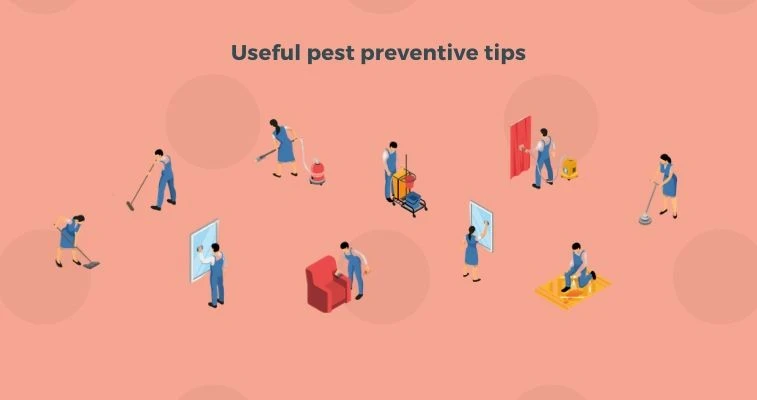
Besides doing silverfish treatment by a pest control company in your home, it is also important to adopt diligent pest preventive activities to complement the treatment. Here are some prevention methods to get rid of silverfish.
Call Rentokil Singapore at 6347 8138 for a pest control solution today.
Silverfish typically enter homes through small cracks, gaps, or crevices in walls, floors, and foundations. They can also be introduced via infested books, cardboard boxes, or second-hand furniture. These pests are drawn to damp and humid environments, making poorly ventilated spaces ideal breeding grounds. If you suspect a silverfish infestation, it is important to seal entry points and maintain proper humidity control. Refer to our blog for the latest insights and tips.
While silverfish bugs do not bite or transmit diseases, they can cause damage to household items. They feed on paper, fabrics, and adhesives, which can lead to ruined wallpaper, books, and clothing. Their shed scales and droppings may also trigger allergies in sensitive individuals. To prevent property damage, consider engaging a pest control service in Singapore for targeted treatment.
Preventing a silverfish infestation starts with reducing humidity levels and eliminating their food sources. Store books and paper items in sealed containers, fix leaks to prevent moisture buildup, and avoid piling up cardboard boxes or newspapers. Using a dehumidifier and ensuring proper ventilation can also help deter these pests. For long-term solutions, professional pest management services like Rentokil can provide expert advice and treatment.
Yes, silverfish can be present in newly built homes, especially if construction materials such as wallpaper, cardboard, or wooden fixtures have been stored in humid conditions. They may also enter through packaging or furniture brought into the home. Regular inspections and moisture control can help prevent an infestation. If you notice signs of silverfish bugs, seek assistance by reaching out to us.
Silverfish feed on materials rich in starch, sugar, and protein. Common food sources include paper, books, glue, wallpaper paste, fabric, and even pantry items like flour or cereal. They are also known to nibble on dandruff, hair, or dead skin cells. Because silverfish thrive in dark and humid spaces, they often find these food sources in storerooms, cupboards, or attics. Reducing clutter and controlling humidity can help limit their access to what they eat and prevent further infestation.
Yes, silverfish are unlikely to survive a full wash cycle. The combination of water, detergent, and heat typically kills them. However, washing alone does not address where silverfish come from or what causes silverfish infestations in the first place. If they keep appearing in your laundry area, it may indicate hidden damp spots or clutter that attract them. Keeping the space dry, sealing gaps, and storing clothes properly can help prevent them from returning.
Silverfish tend to show up when the environment is humid, damp, or poorly ventilated—conditions in which they thrive. They often enter through small cracks and gaps or hitch a ride on infested items like old books or stored goods. Also, cluttered areas, leaky pipes or moisture-retaining materials create ideal breeding grounds and food sources, which further encourages their presence.