myRentokil
myRentokil login© 2026 Rentokil Initial plc and subject to the conditions in the Legal statement
The standard advice for preventing pest infestations has always been to maintain a hygienic environment, clean up food and water spills, and seal any entry points. If those actions were not sufficient to stop pests from entering our premises, we either used DIY remedies such as insect repellents and essential oils or consulted a professional pest control company. Since pests are drawn to urban areas due to the abundance of food, water, and shelter (and for some, the unsanitary conditions) it made sense that cutting off their access to such resources would reduce pests coming into our premises. However, there is another factor that impacts pest behaviours that many people are unaware of - the weather.
The weather and climate in Singapore are fairly consistent throughout the year. It's either sunny and warm, or it's rainy and humid. As a result, we don't have to think about seasonal pests as much as other countries that aren't in the equatorial region. Nonetheless, the weather has a major impact on pest behaviour and may help explain why some pests seem to thrive in this region. Therefore, this article will serve as a detailed guide to understanding how the weather affects pest behavior, useful pest control tips, and how Rentokil has developed pest management methods that can effectively deal with pests that are vulnerable to weather changes.
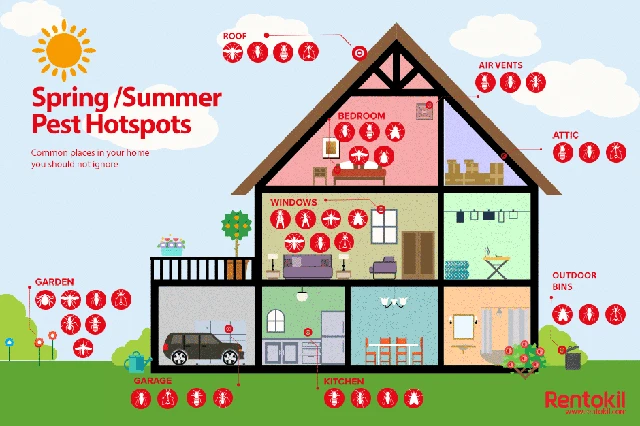
The physiology and biological instincts of any species, human or not, influence how it responds to the weather. Not only do we need to understand the anatomy and lifecycle of a pest but also how their bodies react to changes in their environment. As such, there are 2 main reasons why Singapore’s weather is so conducive for pests to thrive. They are:
As much of an animal’s biological processes like their growth and development require warm temperatures, most pests are sensitive to temperature shifts. This is especially true for pests that are insects, such as ants, termites, cockroaches, mosquitoes, and house flies, and reptiles such as lizards, as they are cold-blooded. This means that they are unable to regulate their body temperature internally and must rely on the external environment to do so in order to perform their bodily functions properly.
While rodents such as rats and mice are warm-blooded and can regulate their body temperature, they are especially susceptible to heat loss due to their small body size and high body surface-to-volume ratio. That’s why they often seek out warm temperatures. Moreover, such pests are also more likely to thrive in warmer climates. It's no wonder that Singapore, with its year-round tropical climate, is a perfect habitat for such pests.
Humidity refers to the amount of water vapour in the air, and several studies have shown that many pests prefer humid conditions. This is due to the fact that high humidity levels often indicate the existence of a water source - which they need for survival. In fact, for pests that are insects, it has been found that their sensory system has evolved to detect changes in humidity levels. It explains why ants and cockroaches are attracted to bathrooms and kitchens, and how mosquitoes can easily locate pools of stagnant water in which to lay their eggs.
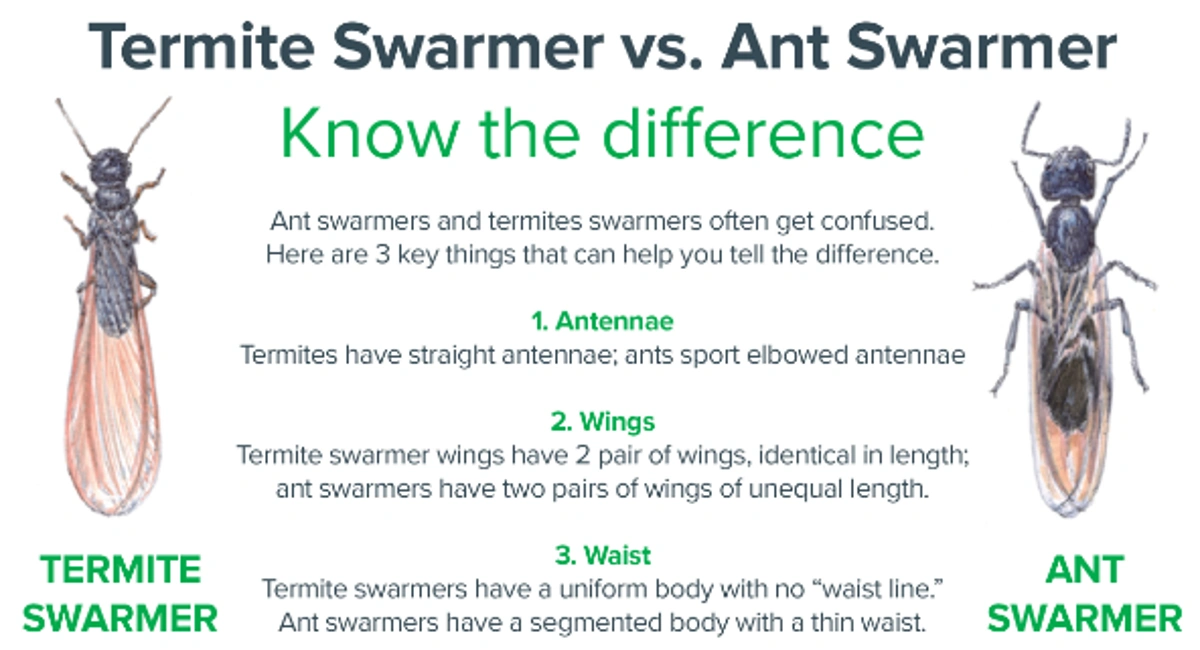
This bodily function also allows termites that are sensitive to heat and light but need humid conditions to search out areas of high moisture, such as home gardens and damp wooden structures on our premises. Thanks to the constant rain that we experience here, our average humidity level of 84 percent makes it very favourable for pests to thrive. Periods of high humidity are also the ideal time for termites to reproduce, especially after rainfall and flying termites are the clearest indication of a termite’s mating season, as they are on a hunt for new areas to build a colony of their own.
Hot temperatures and high humidity are usually indicators of summer in countries that undergo seasonal changes, and that is typically when people are most likely to be at risk of an insect infestation. Unfortunately, because Singapore has that kind of weather all year, we have to contend with pest infestations throughout the year as well. In addition, climate change has also begun exacerbating temperature and humidity levels and causing extreme weather changes.
Read also: Why water and moisture triggers a pest infestation
Such weather changes impact food production, increase health risks, damage infrastructure, and influence pest infestation. Though there are several factors that contribute to climate change, rising urbanisation and global shifts in weather conditions are the primary cause in Singapore.
The increasing urbanisation of countries in Singapore and all over the world have created a phenomenon known as the Urban Heat Island (UHI) effect - wherein metropolitan areas are considerably warmer than rural or less populated areas. This is because urban areas are more densely populated and packed as compared to rural areas. The tall buildings in cities are in close proximity to each other and are made from insulating materials that trap a lot of heat. Moreover, there is also ‘waste heat’ produced by human activities like driving vehicles, industrial factories, and normal day-to-day living. All this energy and heat results in the creation of a UHI.
UHI contributes to Singapore's rising temperatures, and as previously mentioned, pests thrive in warm weather. Not only that, but warmer temperatures also impact the breeding ability of insect pests. Subsequently, the life cycles of many pests such as mosquitoes and houseflies have been accelerated, resulting in a rise in their populations. This also means a higher risk of contracting harmful vector-borne diseases such as dengue fever, and Zika virus from mosquitoes; Salmonella, and Cholera from houseflies. As Singapore continues to urbanise, this health risk will not go away any time soon and thus, should be taken seriously.
You may also like: Dengue Cases Surge in Singapore: What You Need to Know About DENV-3
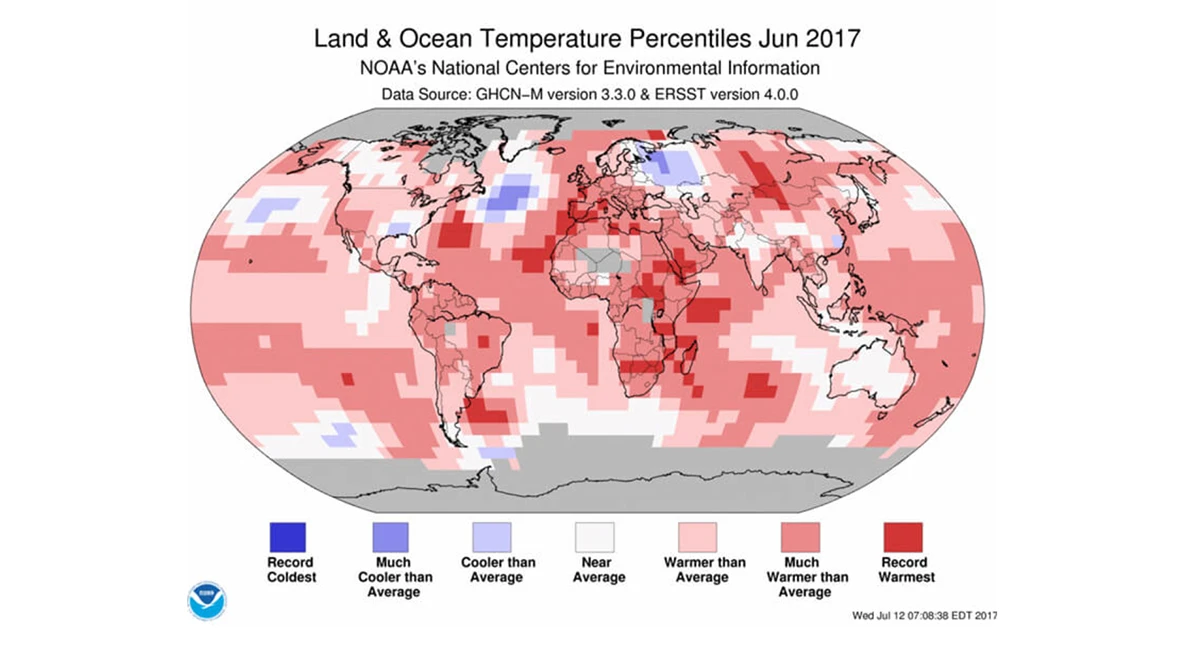
Besides UHI, global shifts in weather conditions also have an impact on Singapore’s weather and climate. Warmer temperatures not only cause periods of intense heat waves but also more frequent and stronger rainfalls. Moreover, being in an equatorial region, rising sea levels caused by melting polar ice caps at the Poles cause more incidences of flooding in Singapore.
These weather shifts have a two-fold effect on pest behaviour. For starters, pests seeks shelter and protection from the elements. That's why, during the rainy season, you're more likely to see ants, cockroaches, lizards, and rodents on your property. Second, it provides the ideal conditions for pests to continue to thrive. Intense rainfall means more stagnant pools of water and moisture for mosquitoes and termites to breed in. Flooding not only overwhelms our drainage systems but also unintentionally allows rodents, especially the Sewer Rat, access to our homes through drains and pipes as they are good swimmers and can hold their breath underwater for long periods of time.
Consequently, climate change has an observable effect on pest populations. We should not neglect the effects by taking proper measures. In the following section, we'll go through some of the most important pest control solutions for dealing with pest problems brought on by weather changes.
Amongst all the factors that impact pest populations, the weather is not something that we can control by any means. While the risk of pest activities might be higher due to weather changes, there are ways to reduce the effects. They are:
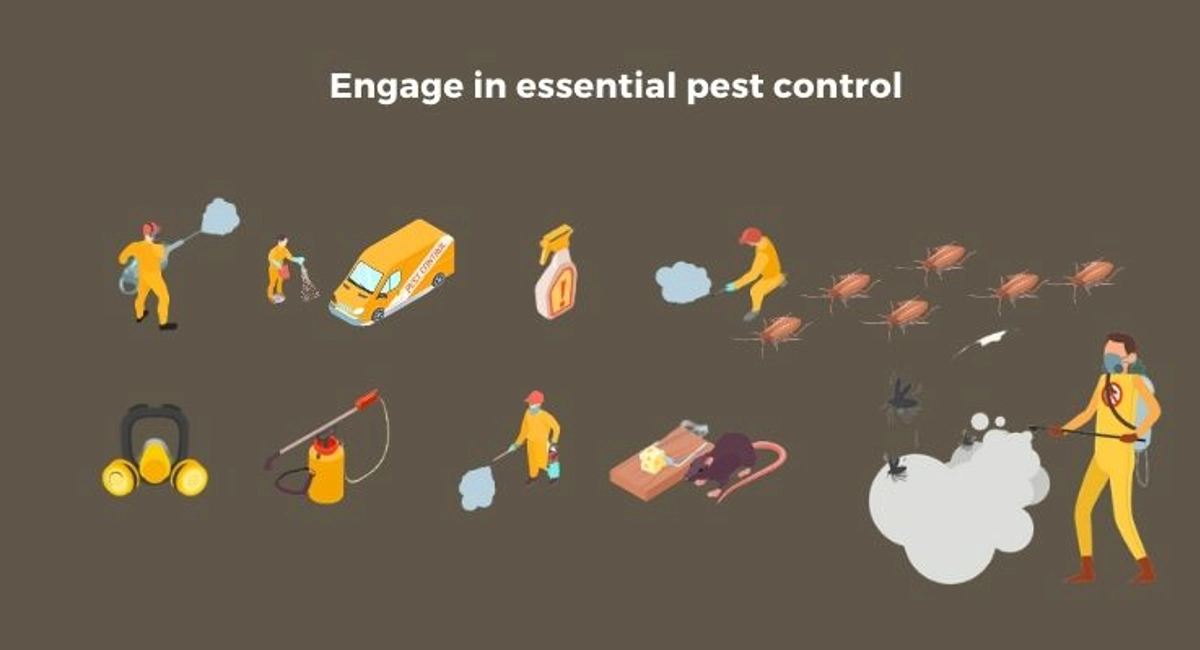
This helps us understand what we need to do in order to deal with climate change-related issues effectively. For example, pest control companies are developing eco-friendly insect repellents as research has shown that older formulations contain chemicals that are harmful to the environment. As such, switching over to using eco-friendly insect repellents can help make a positive difference in the environment.
Mosquitoes, more than any other pest, thrive in hot weather. They do, however, need moisture, i.e. stagnant pools of water, in order to successfully breed. Frequent rainfalls can result in the formation of more standing pools of water. This creates a surplus of breeding grounds for mosquitoes. That’s why we need to be diligent about clearing stagnant pools of water whenever possible. This means:
Read Also: Complete guide for mosquito control in Singapore
Pets may accidentally attract more pests if you are not careful! Pests such as fleas, ticks, can hide in the furs of dogs and cats and spread to your home. Unattended pet food and droppings can attract pests such as cockroaches, ants, and rodents to your property. Check your pets regularly treated for fleas and ticks, clear their food remains, and litter boxes.
Pest infestation is possible because pests may still enter our premises despite our best efforts to keep them out. As a result, it's important to understand the signs of a pest infestation so that you can contact a pest control service as soon as you notice them. That way, you can resolve your pest infestations quickly. While it varies from pest to pest, some common indications of a pest infestation include: seeing active pests, evidence of nesting, physical damage to structures, and grease marks/tracks.
Pests can access your premises via a variety of entry points. This includes gaps in the walls and floors, as well as open windows and doors. It is important to caulk and patch any cracks on a regular basis. In addition, to install insect screens over windows, and keep windows and doors shut during thunderstorms. In addition, home plumbing systems accumulate a lot of food and waste debris, which not only attracts pests such as rodents, cockroaches, and drain flies but also creates another entry point into homes for them. Clean drains and fix leaky pipes to reduce the risks of pest infestation in them.
It is well-known that termites are attracted to wood as they require plant-based cellulose for survival. Two of the three termite species which is the dampwood, and subterranean termites need moisture to survive. As a result, keeping wooden objects in your home or business dry can significantly reduce the chances of a termite infestation. In addition, those who live on landed property and have a garden should remove any mulch and rotting wood piles. This is to avoid creating a termite colony-friendly environment. Unfortunately, this tip does not prevent drywood termites as they do not need moisture for survival. As termites can go undetected for years, it is best to consult a pest control company for preventative termite treatments.
You should ventilate your space to keep it at a low humidity level. This makes it less appealing to pests. This is particularly significant in the kitchen and bathroom, which have higher humidity levels than the rest of the house. Installing exhaust fans in the kitchen and bathrooms can circulate the air and disperse odours, lowering humidity levels. For rooms with no windows or windows that can't be opened, air purifiers are a good investment.
Cleaning up food and water spills right away is a tried and tested pest control method that ensures pests do not have access to food and water. Most pests have a strong sense of smell to help them find food. Being vigilant about hygiene should be the first step in preventing pests from entering your homes.
Besides maintaining sanitary conditions, consistent facility maintenance can also help reduce the risk of pest infestations. The older a building is, the more likely it is to suffer from wear and tear and structural problems. As this creates more entry points for pests, it is crucial to engage in regular facility maintenance. This can adequately pest-proof your property. Make sure that facility management and maintenance are up to date in the building that you are residing in.
You may also like: Why pest-proofing is important during COVID-19
Open concept interior design has grown in popularity as it promotes wide spaces, natural lighting, and aesthetically pleasing furniture. However, it can often become a magnet for pest infestations, especially in commercial spaces. In open-plan offices where people eat and drink at their desks, this creates an abundant food and water source for pests and as there are limited barriers between the tables, pests can easily move between them. For homes with an open concept plan, infestations that start in one area can quickly spread to other areas. Business owners do not want an interior design to be the cause of pest infestation. As such, there should be a balance between open-concept design principles and adequate pest protection. Professional pest control company will recommend useful housekeeping tips, home maintenance, and proofing advice for pest prevention.
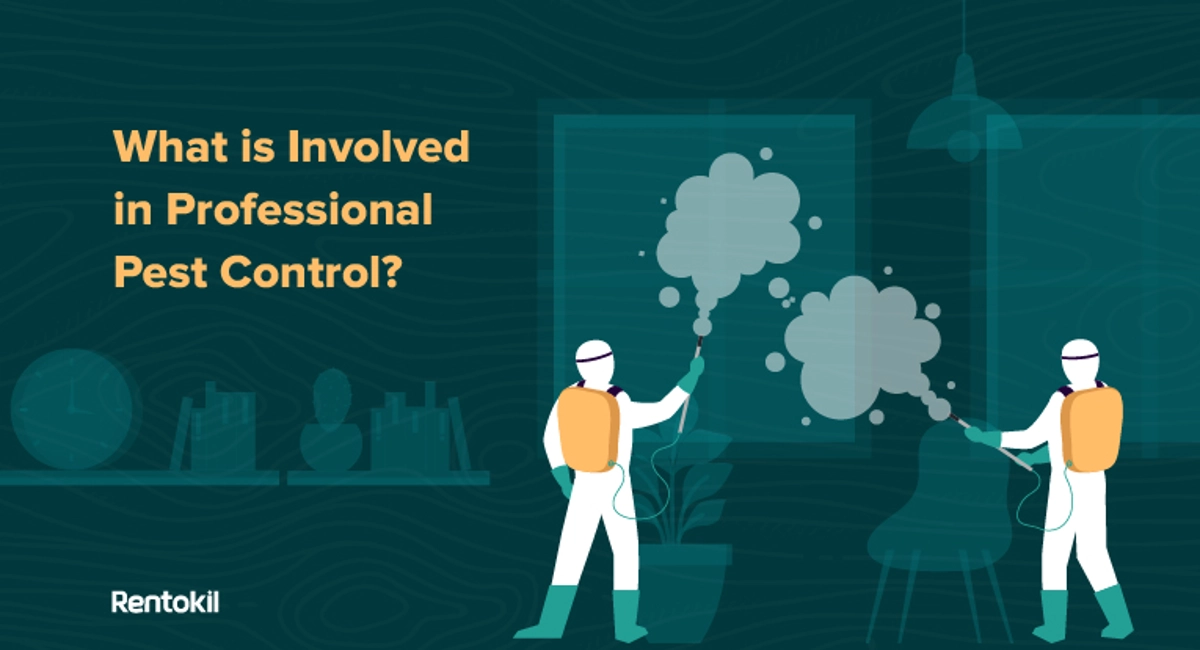
At the end of the day, it is still recommended to consult a professional pest control service to properly deal with pest infestations. For example, they can conduct a risk assessment of your property to show if it is vulnerable to changes in environmental conditions e.g. being located in a dengue cluster, high risk of being flooded during periods of rainfall, identifying areas that are prone to moisture, or being at risk of cross infestation incidents.
In addition, as pests often mutate and develop resistance to pest control. Pest control companies are always looking to innovate their pest control methods. This allows to create effective pest control solutions to deal with pest problems by weather changes. For Rentokil, such solutions include:
Furthermore, Rentokil understands that pest issues are rarely one-off and require a long-term and holistic approach. That’s why we offer an Integrated Pest Management (IPM) programme where our technicians will work together with you to deeply understand your pest problem, recommend a treatment plan, administer solutions, and provide reports as treatments are completed so that you can keep track.
Climate change is a pressing global issue. In this way, we know how to tackle the pest infestation issue successfully. We hope that this informative guide gives you a clearer understanding of how the weather affects pest behavior. In addition, to know the steps you can take to mitigate those impacts. All of us have a part to play in combating climate change as it helps in controlling pest activity. That’s why Rentokil, as a pest control company, is also committed to creating innovative eco-friendly pest control solutions so that we can reduce our carbon footprint on the planet and eliminate pest problems at the same time.

Rentokil Singapore offers a range of expert pest control services for various industries types! Call us at (65) 6347 8138 for a pest control solution today.