myRentokil
Manage your business
Often mistaken for mice, but they're not! Shrews are small mammals distinct from mice. Want to learn more about shrews and how to distinguish them from mice? Read the full article from Rentokil below!
Shrews are frequently misidentified as mice by many Indonesians. Despite their physical resemblance to rodents like rats or mice, shrews are classified as insectivores, not rodents. Their small size enables them to inhabit homes by squeezing through narrow openings, potentially causing damage to food and household items.
Therefore, understanding the distinctions between mouse and shrews is crucial for effective management of these small mammals in residential settings.
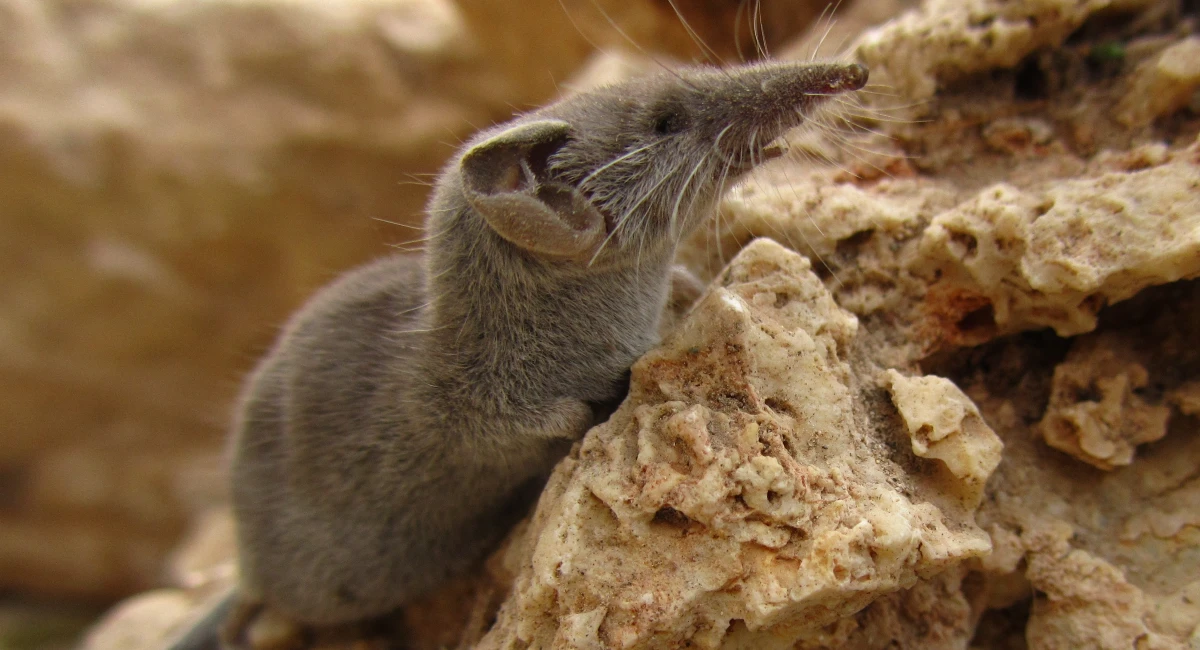
Shrews, also known as "celurut" or “curut” in Indonesia, are small-bodied animals belonging to the Soricidae family. Shrews are active day and night, constantly foraging for food to sustain their high metabolic rate.
Unlike rodents, shrews are solitary animals — they tend to live individually rather than in groups or colonies when searching for food sources. When they enter residential areas, they are considered pests due to their habits of damaging food supplies, leaving droppings, and scavenging for food around homes. The presence of these small pests can result in material losses and health issues, especially if their droppings and urine contain bacteria or diseases that can be transmitted to humans.
While they do not transmit diseases similar to rats, their droppings and urine may contain harmful bacteria like Salmonella spp. and Leptospira spp., which pose health risks to humans.
Did you know? Shrews emit high-frequency vocalizations, called ultrasonic calls, to communicate and navigate their environments effectively.
Naturally, they inhabit various habitats such as natural forests, thickets, and grasslands. However, in urban areas, they often choose to reside around houses and other buildings. Inside homes, these small pests prefer to hide in dark, secluded places that are rarely disturbed by humans.
Here are some common nesting spots for shrews within homes:
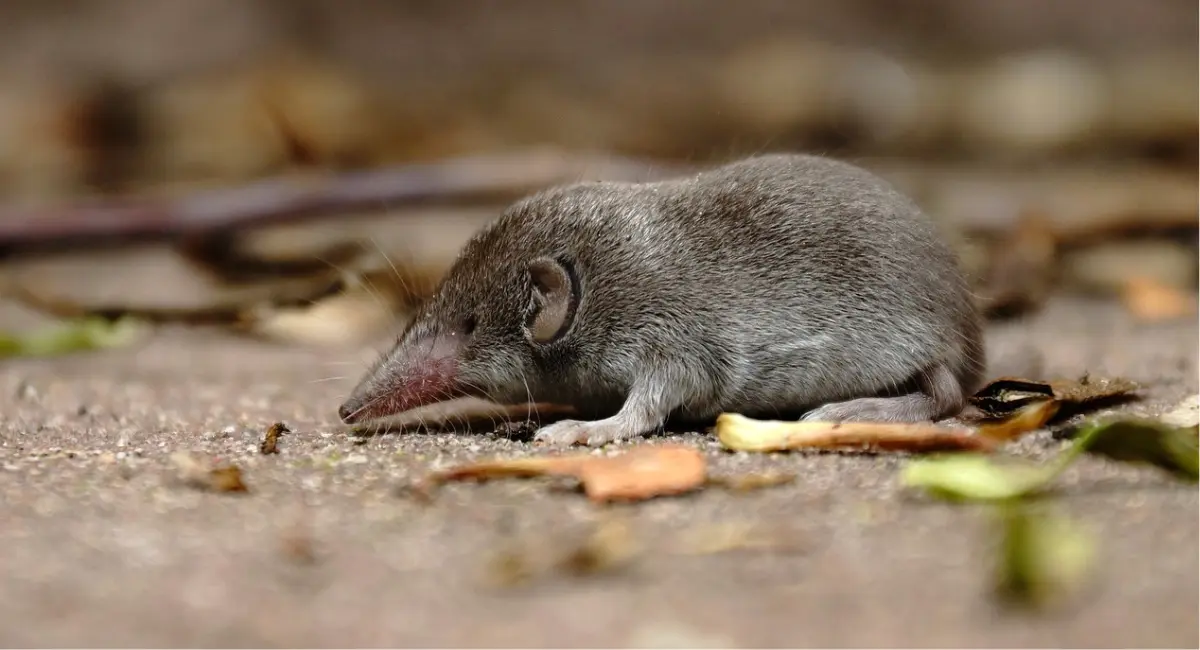
Naturally, shrews are insectivorous animals that play a crucial role in ecosystems in the wild. They help control insect populations, acting as predators for various types of insects found in soil or on the ground surface, including:
However, in urban areas or around human habitation, shrews tend to favour easily accessible food sources. Here are some foods shrews may consume when inside your home:
Firstly, their small body size allows them to easily squeeze through tiny gaps in walls, floors, or roofs. Secondly, the presence of accessible food sources inside homes is another reason why shrews may be found in your house. And third, your home can also provide a warm, dark, and sheltered environment for shrews to hide and nest.
Shrews can be found all around the world, each species uniquely adapted to specific environments—from North American woodlands and European wetlands to diverse landscapes across Asia, including Indonesia!
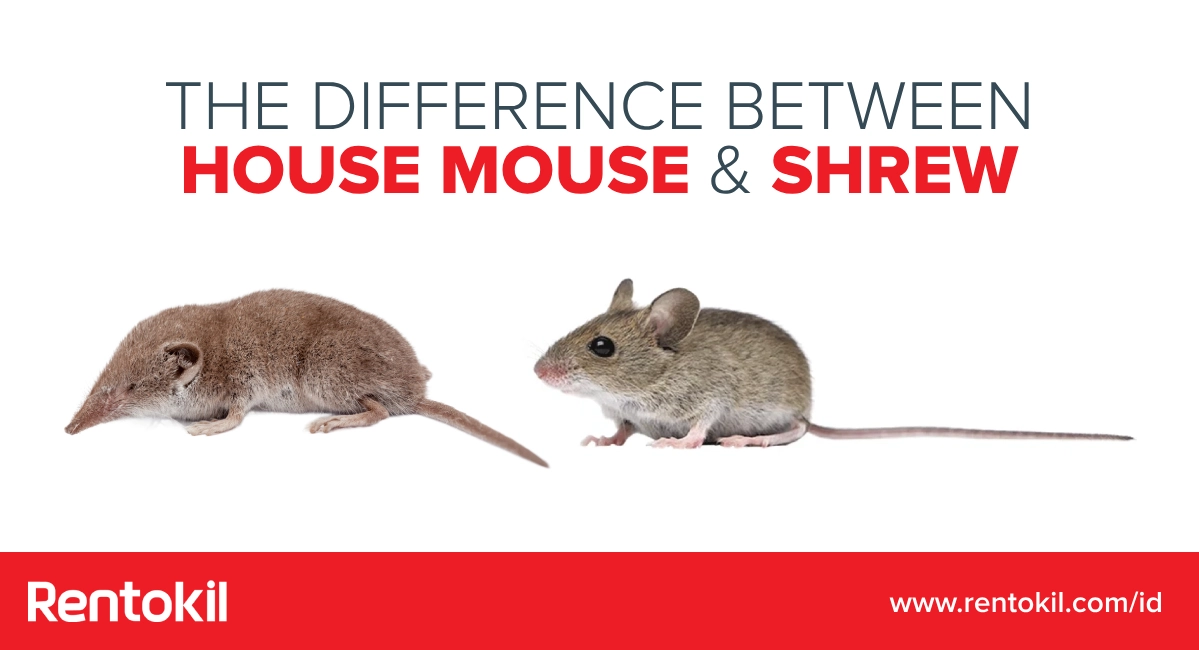
Shrews and mice are often mistaken for each other, yet they differ significantly in appearance, behaviour, and habitat, as well as in their sense of smell, despite their similar proficiency in close range navigation and agility.
Here are the differences between shrews and house mice (Mus musculus domesticus), a small-bodied mouse often confused with shrews.
| Characteristics | Shrew | House mouse |
|---|---|---|
| Scientific name | Suncus murinus | Mus musculus |
| Family / Order | Soricidae / Eulipotyphla | Muridae / Rodentia |
| Reproduction | Shrews have a relatively low reproductive rate, producing 4-6 offspring per litter. | House mice have a relatively high reproductive rate, producing 6-12 offspring per litter. |
| Diet | Shrews prefer to eat small insects and some additional organic materials. | House mice tend to eat a variety of foods, including grains, fruits, insects, and other organic materials. |
| Social behaviour | Shrews are generally solitary and do not require interaction with other species | House mice are more social animals and often live in groups. |
| Habitat | Inside buildings Common shrews are sometimes found in homes and other structures, particularly in damp, dark areas such as kitchens or storage rooms, where they seek shelter in warm and secluded spaces. Outside buildings Shrews prefer natural environments and are typically found in forests, thickets, grasslands, and other open areas. |
Inside buildings House mice are frequently found in buildings close to human activity, such as homes, warehouses, and offices. They thrive in areas where they have easy access to food and shelter. Outside buildings They are rarely found in the wild as they are more associated with human-made environments. However, when found in natural settings, they can be seen in fields, gardens, and other open areas. |
Discover striking differences in appearance between shrews and house mice. Though often mistaken for each other, these animals have distinct physical characteristics.
Rentokil understands that no homeowner wants to deal with the nuisance of shrews invading their home. These small mammals are more than just a disturbance — they contaminate food, damage stored items, and their droppings can pose serious health risks.
Shrews are renowned for their rapid life cycle, maturing into adults in just 30 days. Young shrews swiftly become independent and adept at foraging and hunting within weeks, fueling their rapid growth.
Consequently, if left unchecked, their prolific reproduction can pose significant challenges. Understanding these dynamics underscores the importance of effective shrew control measures to mitigate their impact.
To help you tackle this issue, Rentokil offers these expert-recommended steps to effectively get rid of shrews in your home. This is how to keep your home clean and shrew-free!
Ensure your home stays clean and organized, especially in damp and dark areas where shrews commonly reside. Promptly clean up any food and drink spills, and keep rarely used items neatly arranged to avoid creating hiding spots for shrews.
Shrews can easily enter your home through very small gaps in walls or floors. By promptly sealing or repairing these entry points, you can limit their access to your home.
Some natural scents are believed by many Indonesians to deter shrews when placed in areas they commonly traverse. These natural repellents include mothball, mint leaves, vinegar, and peppermint oil.
CAUTION! Natural remedies have not been scientifically proven as effective solutions for repelling pests like shrews.
If shrews in your home become a serious issue or are difficult to manage on your own, seeking help from a professional pest control company is the best solution.
Contact Rentokil at 150808 or fill out our online form today!
Protecting Indonesian homes and businesses for over 50 years