myRentokil
Manage your business
Many businesses and organisations are under great pressure during the current global health and economic crises. Crucial areas of healthcare and social care are at the front line of the battle against COVID-19 and businesses supplying a wide range of products and services are needed to keep these and all sectors of society running – not least the food supply system.
Many types of pests present in urban environments worldwide are vectors of diseases, contaminate and consume food supplies, and cause physical damage to buildings. WHO lists over 30 important pathogenic bacteria, viruses, protozoa, and helminths that can be spread by just rodents and their ectoparasites.
In addition to rodents, other pests, including flies, cockroaches, stored product insects, fleas, and ticks are a health and economic threat. Buildings in all sectors, including hospitals, food processing plants, manufacturing plants, warehouses, education, hotels, restaurants, offices, and residential accommodations provide ideal environments for many of these opportunistic pests.
Buildings can provide a perfect harbourage for pests to shelter and breed, especially when there is little or no disturbance from people during the lockdown. Pests can damage many parts of buildings to gain access and get around buildings to find food and nesting places.
Rodents cause gnawing damage and shred materials for nesting, birds can damage roofs and block drains causing flooding damage and all pests contaminate surfaces with droppings. Pest numbers can rapidly increase with access to food supplies – including unemptied food waste bins. Costs of pest control, cleaning, disinfection, and repairs can quickly escalate.
A survey conducted by the Centre for Economics and Business Research (CEBR) for Rentokil found that more than 70% of businesses in five countries suffered significant financial losses during an infestation – and that was during normal times when buildings were in full use!
Pests are also a risk to the health and wellbeing of staff and customers. In addition to spreading diseases the presence of pest infestations causes stress and anxiety. The survey found that the impact on staff morale was the most commonly cited in all five countries, with 30-38% of businesses reporting it as the number one impact.
This shows the importance of protecting buildings during the lockdown for both essential businesses that need to keep operations running and for businesses that are closed. Action now will keep buildings pest-free, safe, and ready to use when the lockdown is lifted and business operations are restarted. It will also reassure staff and customers that a building is safe to work in or visit.
Each business sector has critical areas with specific pest risks that could have an impact on health and cause financial and reputational damage.
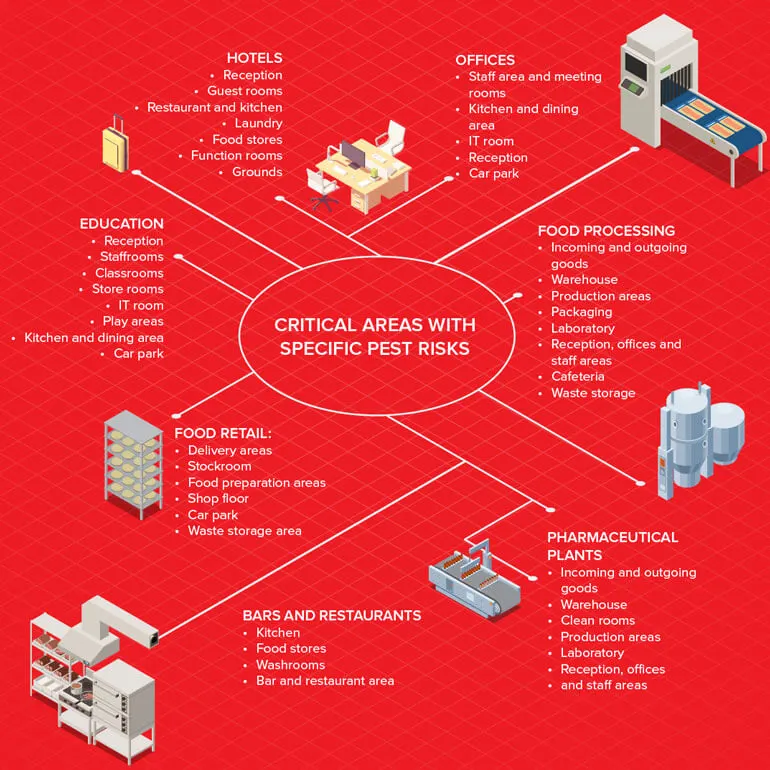
Businesses should adopt a thorough pest control program to protect their buildings from pests to maintain essential operations to continue safely or enable operations to be started again as soon as possible after restrictions are lifted.
There is a wide range of actions businesses can employ to protect their premises from pests. Digital solutions can offer remote monitoring of pests and 24/7 alerts of pest activity, proofing buildings to prevent pests from gaining access, and a range of non-toxic solutions are available to remove pests safely when an infestation has occurred.
Control of rodents requires the removal of places they can shelter in and around buildings and preventing access to food, water, and shelter. Large buildings, such as hospitals, manufacturing plants, or hotels will have many potential routes for rodents to enter, including around vents, pipes, cabling, drains, doorways, windows, and screens. They seek harbourage, nesting materials, and food, causing structural damage, and are a major risk for damaging electrical wiring that can cause fires.
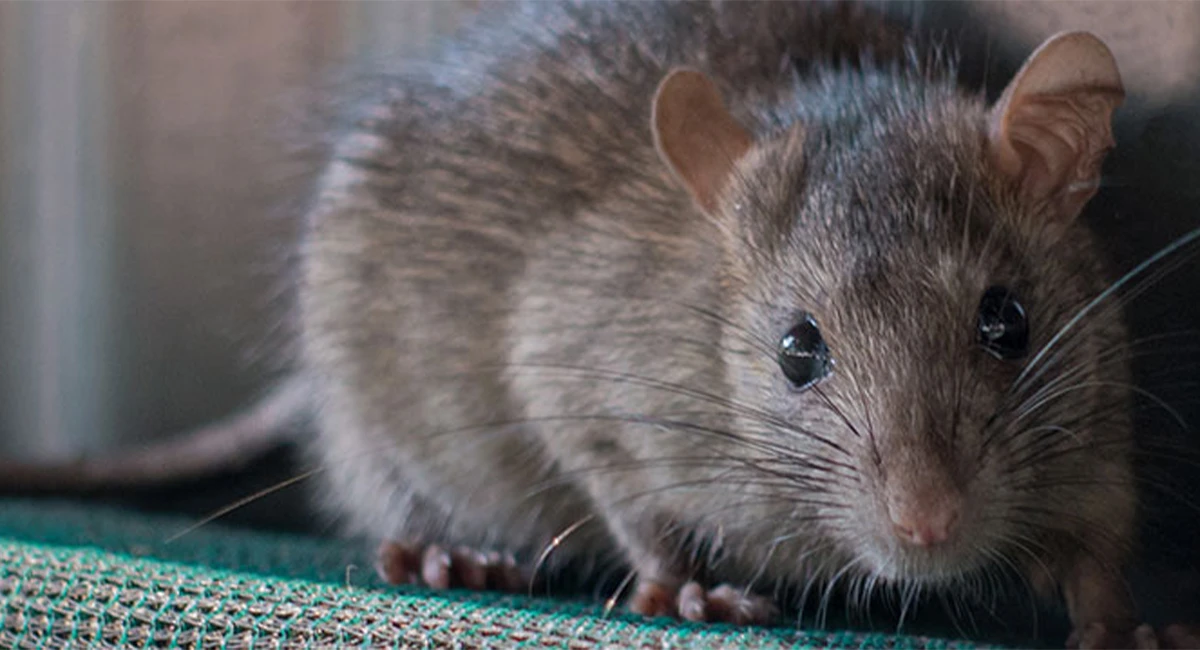
Regular maintenance is essential to prevent rodents from taking advantage of weak points in buildings. There are many types of rodent-proofing products available to close and fill in gaps to block off potential access routes. Rentokil offers a comprehensive range of proofing solutions to fit any customer problem.
Any rodents present must be controlled using traps or rodenticides following acceptable practices and legislation. Effective use of rodenticides and traps, especially on large sites, requires expertise and knowledge of the practical application of local regulations. Rodenticides used must be approved products, placed in secure bait stations, and restricted to areas where food is not handled.
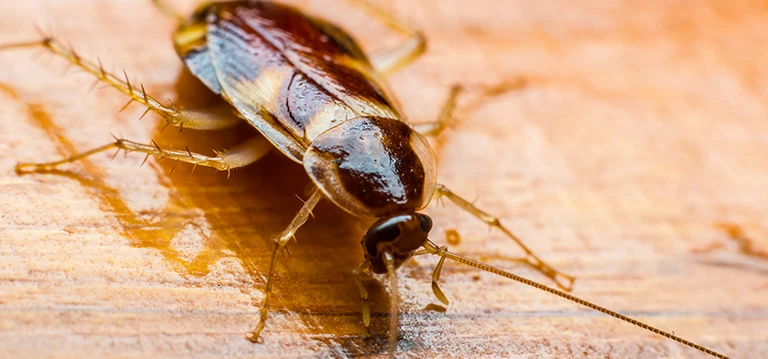
Cockroaches shelter in dark places such as cracks, crevices, drains, sewers, inside equipment and machinery, and any hidden spaces, emerging at night to seek food. Good food sanitation practices will deny cockroaches a food supply and prevent infestations.
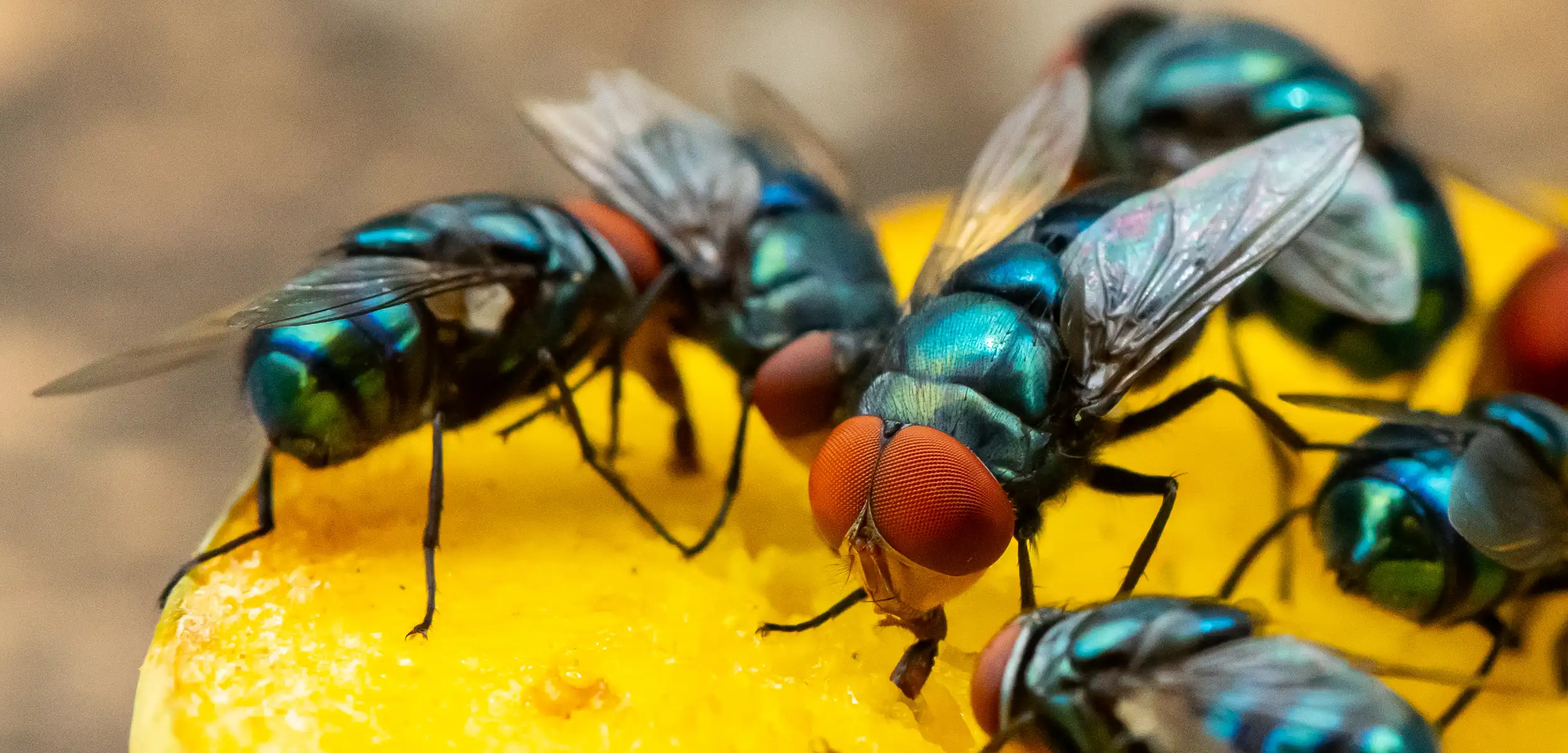
The application of standard hygiene practices is particularly important for controlling flies to reduce the attractive odors, feeding material, and breeding sites.
Exclusion depends on the design and maintenance of the facility and could include the following measures.
Most dried food products are susceptible to stored product insect infestation, including cereal products, seeds, nuts, dried fruit, spices, powdered milk, tea, and preserved meats. They’re more likely to infest products that have been opened, but they can also get into many types of packaging.
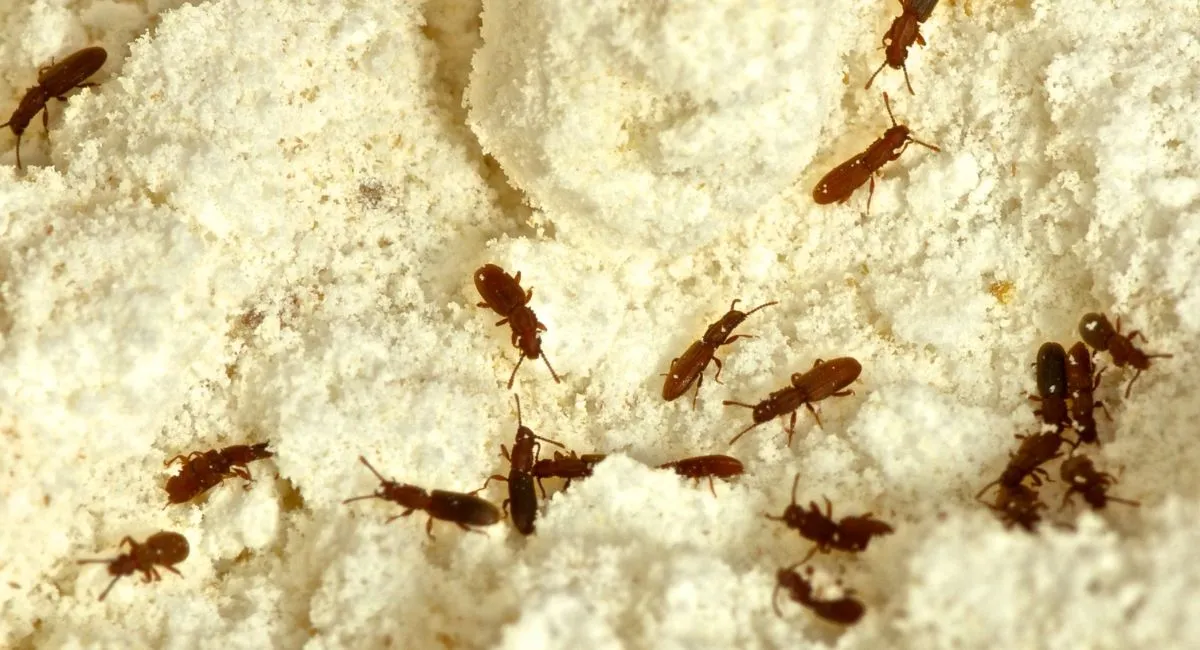
These pests are controlled by using standard quality control measures throughout the supply chain, for managing suppliers, logistics companies, incoming shipments, storage of raw materials, processing, packaging and storage of final product. Basic practices can minimise the risk of infestation.
Pest control plays a crucial role in enabling essential businesses and organisations to provide safe products and services, prevent disease outbreaks and reduce the risk of downtime. Pest infestations will delay the return of a building to normal use when the coronavirus lockdown restrictions are lifted. By using pest control services during this time, infestations can be monitored and dealt with quickly and costs can be significantly reduced.
A professional pest control service can provide an integrated pest-management plan that controls pests efficiently and discreetly to protect the building, stock, and equipment and provides a safe place for staff.
Protecting Indonesian businesses for over 50 years