PestNetOnline
Login© 2026 Rentokil Initial plc and subject to the conditions in the Legal statement
Rodents do not care about the calendar. For a long time, commercial facilities put most of their emphasis on winter rodent control, expecting pests to seek shelter only when the temperatures dropped. While that biological drive hasn't disappeared, major seasonality changes are afoot. High rodent activity is bleeding into the warmer months, meaning businesses across the U.S. must keep their guard up year-round.
To help you stay ahead of shifting rodent activity trends, we analyzed nearly 650,000 commercial service visits from 2025 to create the Rentokil 2025 State of the Rodent Report.¹ We divided the U.S. into five distinct regions to track broader rodent population trends and local, state-level risks. Together with expert insights from our certified entomologists, we’ve created clear, actionable steps to help protect your business from unwanted rodents.
Urban density plays a huge role in driving rodent activity. Cities provide readily available food, water, and shelter. While familiar hot spots like California, Illinois, Maryland, New York, Pennsylvania, and Wisconsin topped the list again in 2025, four new states joined the ranks. The Northeast, Midwest, and West each have three states in the top 10, and three Northeast states fall into the top 5 slots.
Whether you are dealing with pests in commercial properties or worrying about rodent-borne diseases, businesses in these states require extra caution:
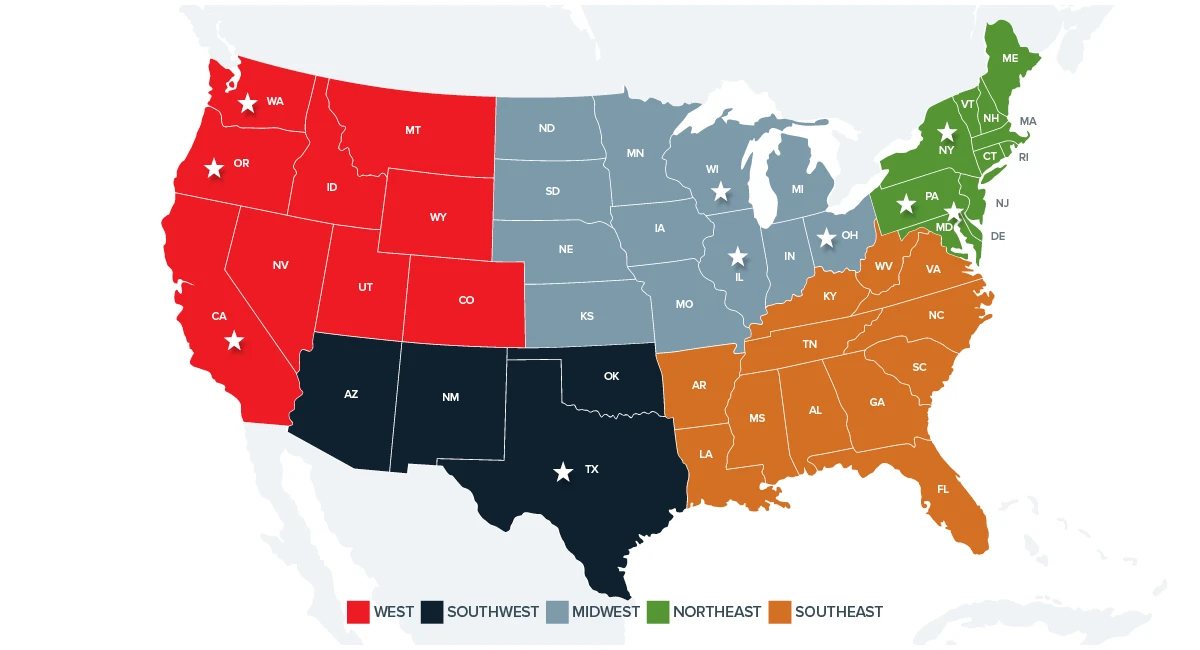
Every part of the country faces its own unique challenges, from weird weather to a booming construction market. Here is a look at what drove rodent activity from coast to coast in 2025.
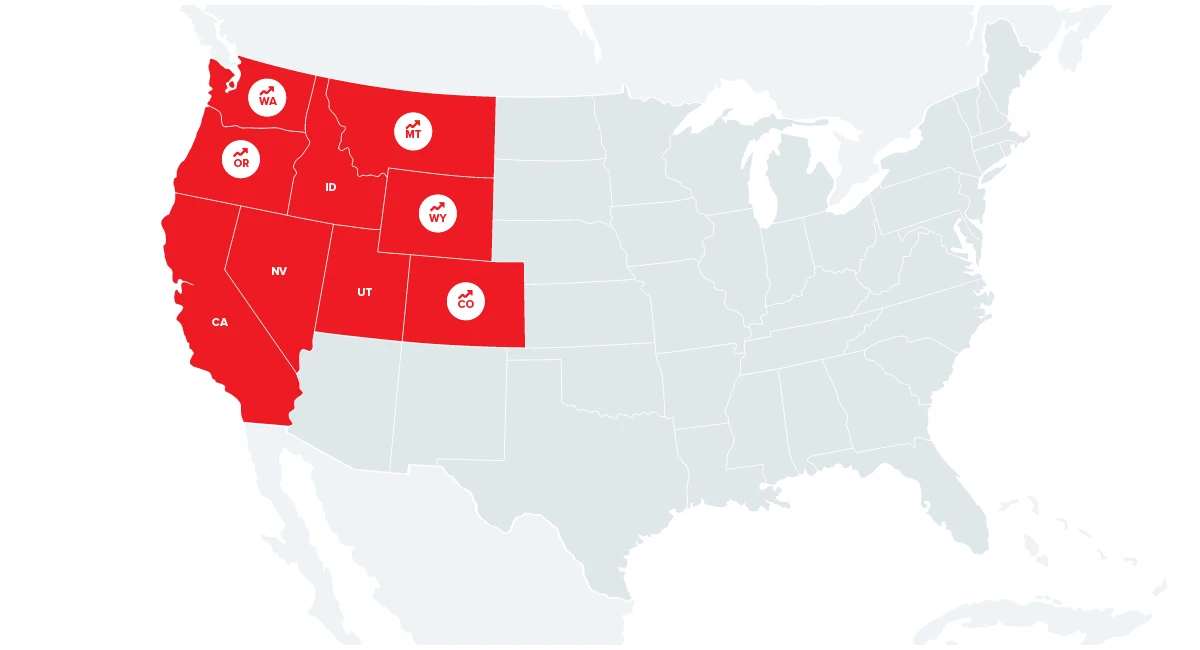
Overall rodent activity in the West dipped by 3.6% in 2025 compared to 2024, but the real story was the wild weather. An unusually warm fall and winter in 2024 meant fewer rodents died of the cold, leaving a larger population ready to breed in the spring. Severe weather and disaster events—like the Los Angeles wildfires, widespread droughts, and a heavy atmospheric river in the Pacific Northwest—also forced rodents to flee to new areas or escape indoors.
Professional exclusion services are the best way to stop clever rodents from sneaking inside your business. However, typical sealants like foam or caulk are not always enough. Rentokil’s Flexi Armour™ products use tough, knitted stainless steel mesh designed to withstand heavy gnawing and clawing by securing your facility's weak points.
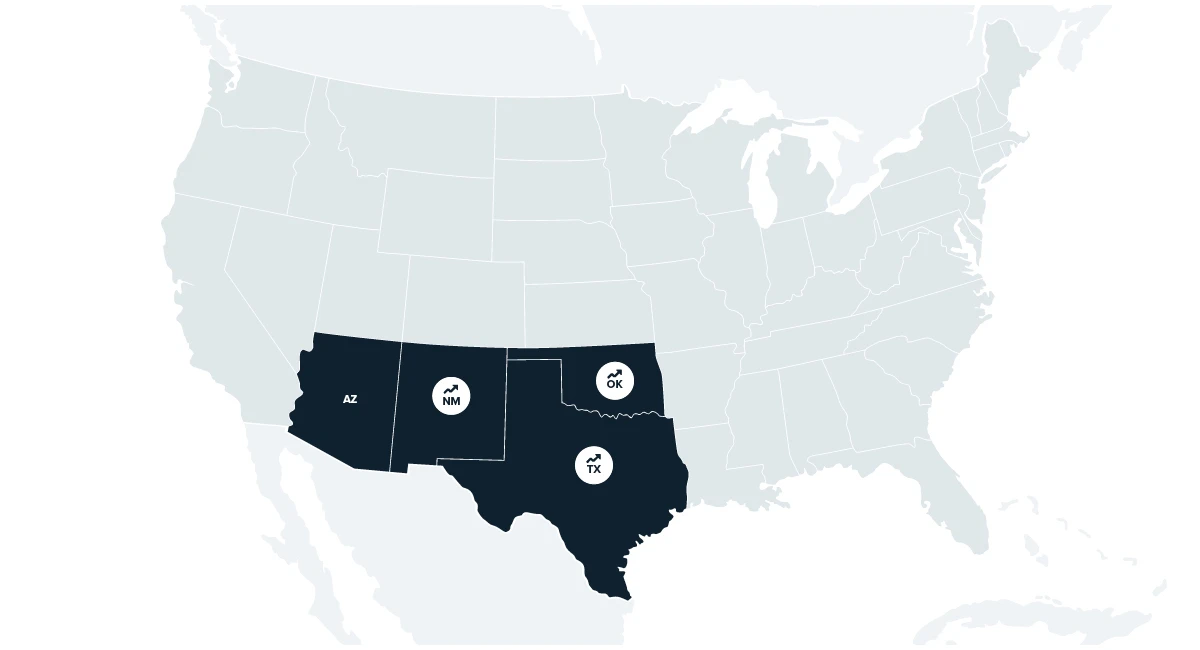
Rodent activity held steady in the Southwest, dipping just 0.4% in 2025. Drought was a major culprit here, too, pushing thirsty rodents indoors. But we might also be seeing the effects of a population boom. Almost every state in this region grew last year, and new commercial construction often disturbs natural rodent habitats, sending them packing straight toward nearby businesses.
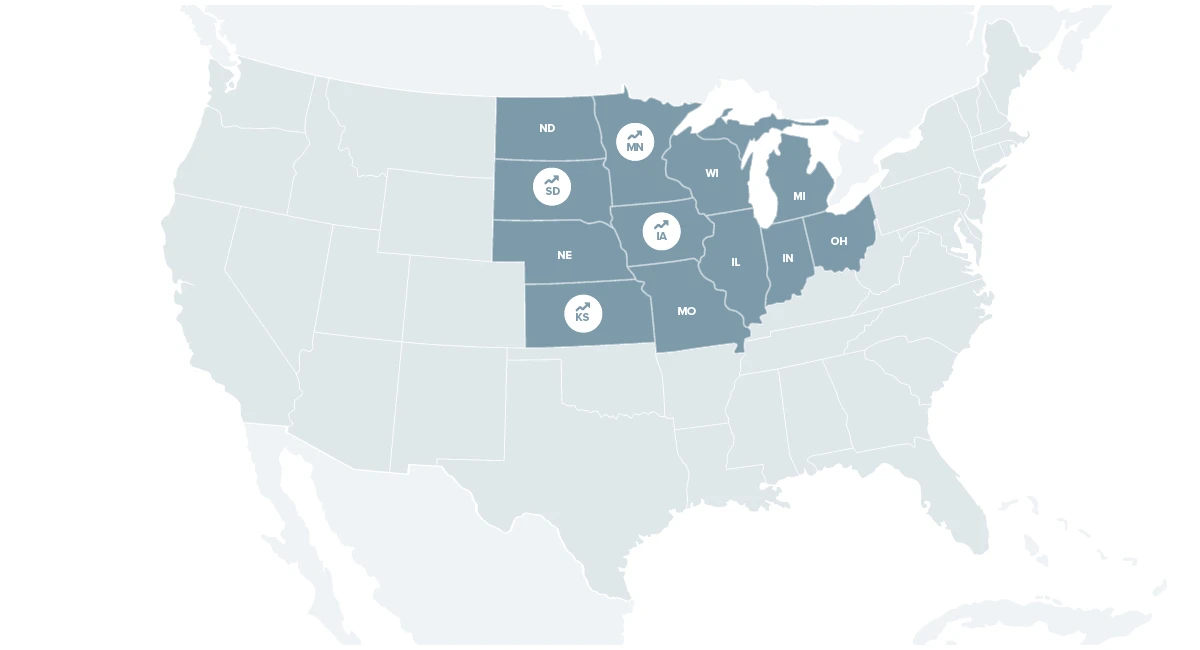
Usually, freezing Midwest winters act like natural pest control, but 2025 was surprisingly warm. While overall rodent activity across the region dropped by 10.5% compared to last year, the lack of a deep freeze allowed many more rodents to survive and breed locally.³ For example, Minnesota experienced record-breaking warm streaks, resulting in a massive 42.44% spike from 2024. Since more rodents are surviving the winter, you should be on high alert during their peak season from July through October.
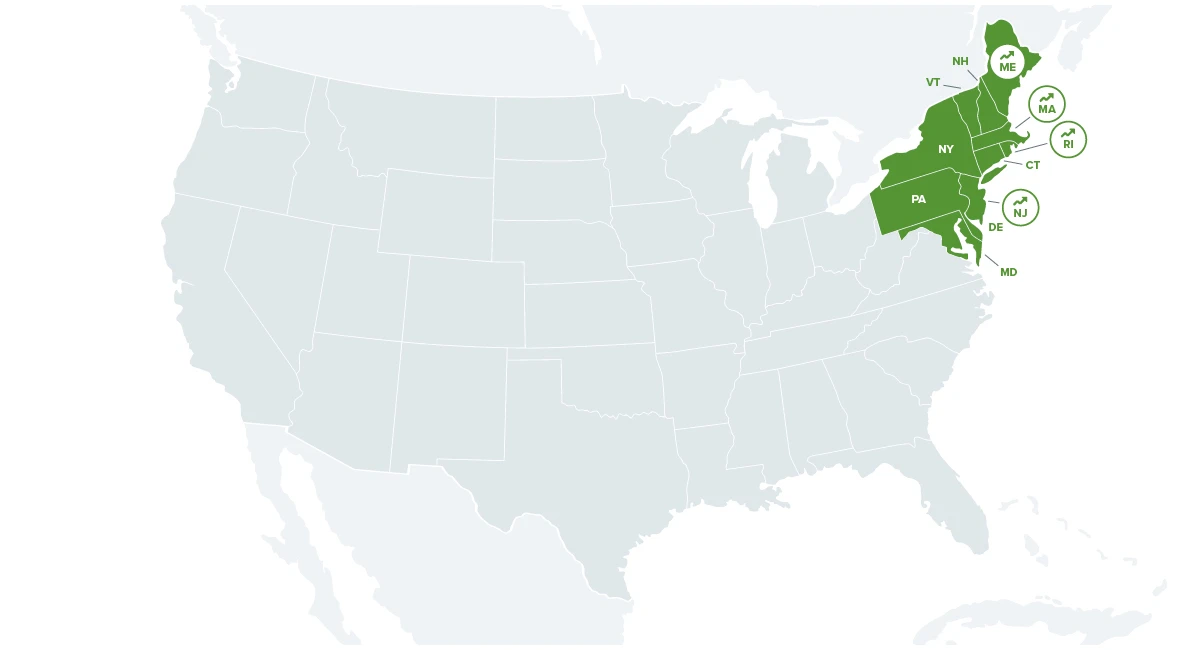
Overall rodent activity in the Northeast was down 4.5% compared to 2024, but the region still dominates the national charts with three states landing in the top five. New city rules in major hubs like New York, Boston, and Philadelphia now require hard-shell trash bins, which clean up sidewalks but leave street rats hungry.* Keep a close eye on your facilities during the summer rush from June through September.
Catch rodent problems before they escalate. Rentokil’s PestConnect System uses wireless technology to alert our technicians the exact moment a rodent enters a trap or bait station. This rapid response not only resolves issues much faster but also reduces the overall need for rodenticides at your facility.
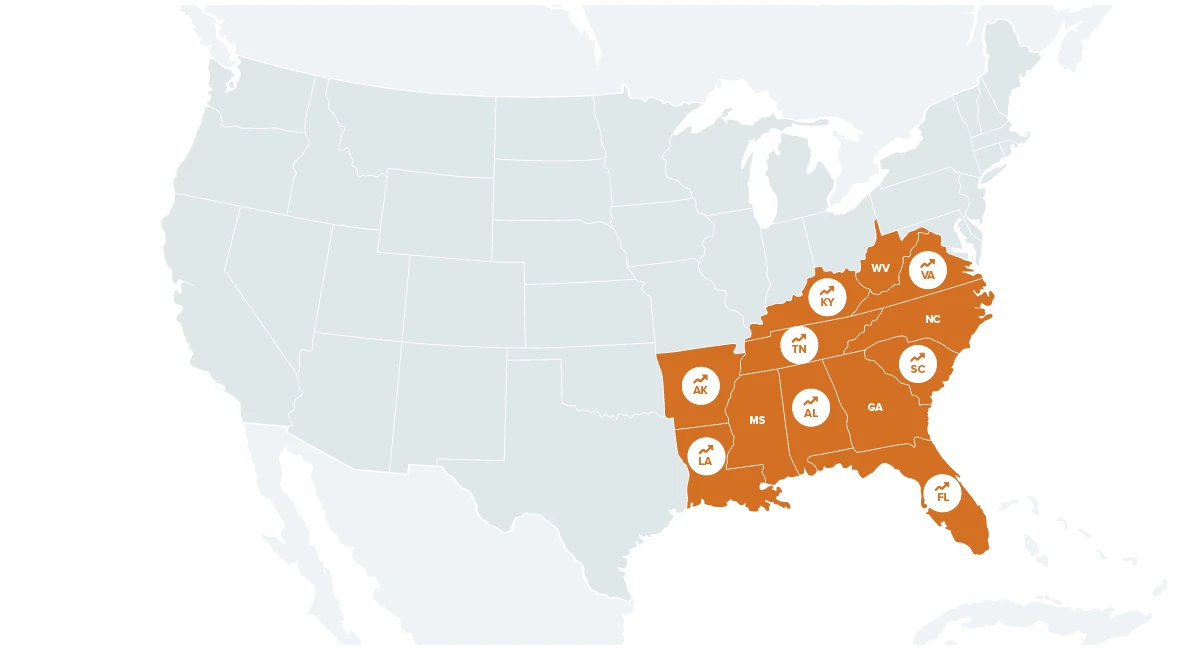
Between the mild winters and sticky humidity, the Southeast is the absolute perfect environment for rodents to thrive 365 days a year. In fact, the Southeast was the only region to see an overall increase in activity over last year, ticking up 0.7%. Heavy rain and severe storms naturally wear down the outside of commercial buildings, creating tiny cracks that give mice and rats an easy way to sneak indoors. Rodent pressure reaches its absolute peak between May and August.
The best defense is a customized rodent control plan from a professional, but your everyday habits matter just as much. Share these routine checklists with your team to help keep rodents out.
Rentokil provides comprehensive rodent control solutions to help protect your facility from rats and mice and the risks they pose. Our pest experts identify potential entry points, address existing activity, and develop a tailored plan to help keep rodents from coming back.
Every business is unique and faces different challenges. Download a detailed guide tailored to your specific industry:
¹Results based on reported rodent counts at Rentokil-serviced U.S. location from January 2025 to December 2025, as well as the number of new U.S. rodent services performed in 2025 (through mid-December) v. 2024 for Rentokil commercial customers. Does not include data from AK, HI, or Washington D.C. Variations may be based, in part, on fluctuating customer counts between 2024 and 2025.
²Results based on reported rodent counts at Rentokil-serviced U.S. location from January 2025 to December 2025, as well as the number of new U.S. rodent services performed in 2025 (through mid-December) v. 2024 for Rentokil commercial customers. Does not include data from AK, HI, or Washington D.C.
³National Oceanic and Atmospheric Administration, National Centers for Environmental Information