PestNetOnline
Login© 2026 Rentokil Initial plc and subject to the conditions in the Legal statement
When it comes to bats, the world seems divided between those who adore them and those who fear them. A plethora of bat myths lurk out there that can lead to confusion about these mysterious creatures. So, let’s separate fact from fiction and delve into some bat facts and myths that might surprise you!
False! Despite their small size, bats aren’t related to mice or rats; they’re actually mammals. One interesting bat fact is that they are the only mammals capable of actual flight. While bats have tails, they’re not like rodent tails; they’re part of their wing membranes. Bats also don’t have large teeth like rats. Their teeth are adapted explicitly for what a bat eats, which includes everything from insects to fruits. Bats also have a significantly longer lifespan than rodents, living up to 30 years, compared to the average lifespan of rats, which is one to two years.
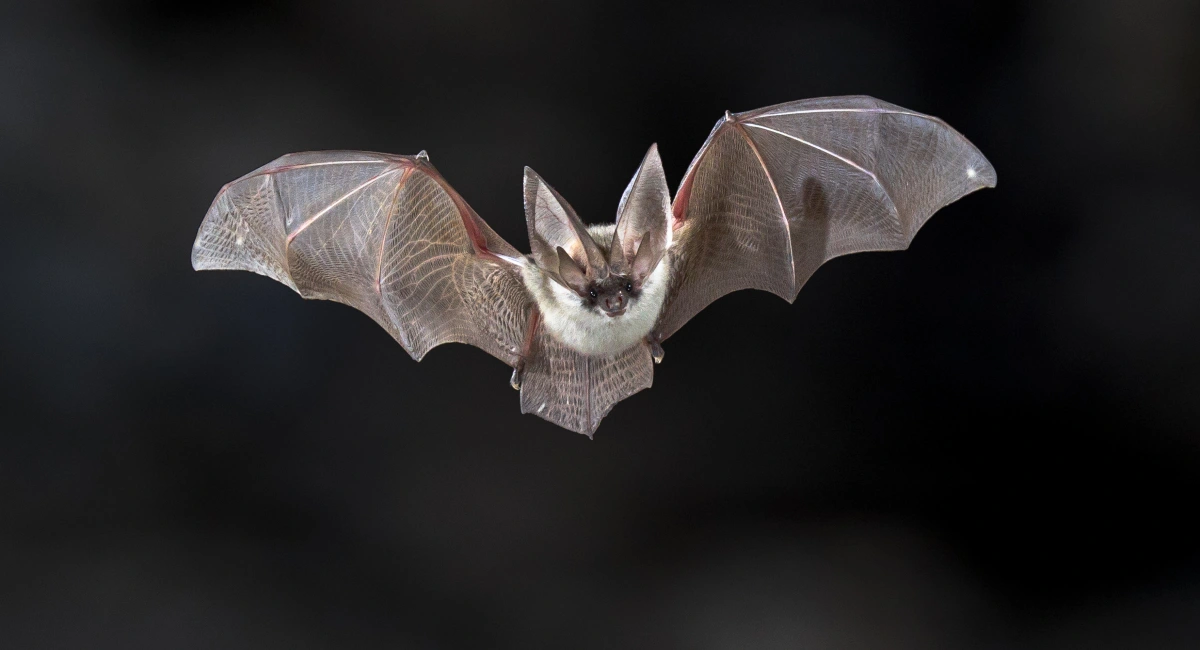
False! The truth? Less than 1% of bats carry rabies. It's a common misconception that they all do, and while rabies is a severe disease, it's essential to note that you can't determine if a bat is rabid just by looking at it. If there’s any contact—like a bite or scratch—from a bat, seeking medical advice from a professional is crucial. Bats can also spread other diseases, including histoplasmosis and Nipah virus, so avoiding direct contact is always best.
False! You might have heard that bats are blind. But this is a classic bat myth! All bats can see, and some, especially the larger fruit-eating species, have three times better eyesight than humans. Many bats use echolocation, emitting high-frequency sounds that bounce back from objects, which helps them navigate and hunt in complete darkness.
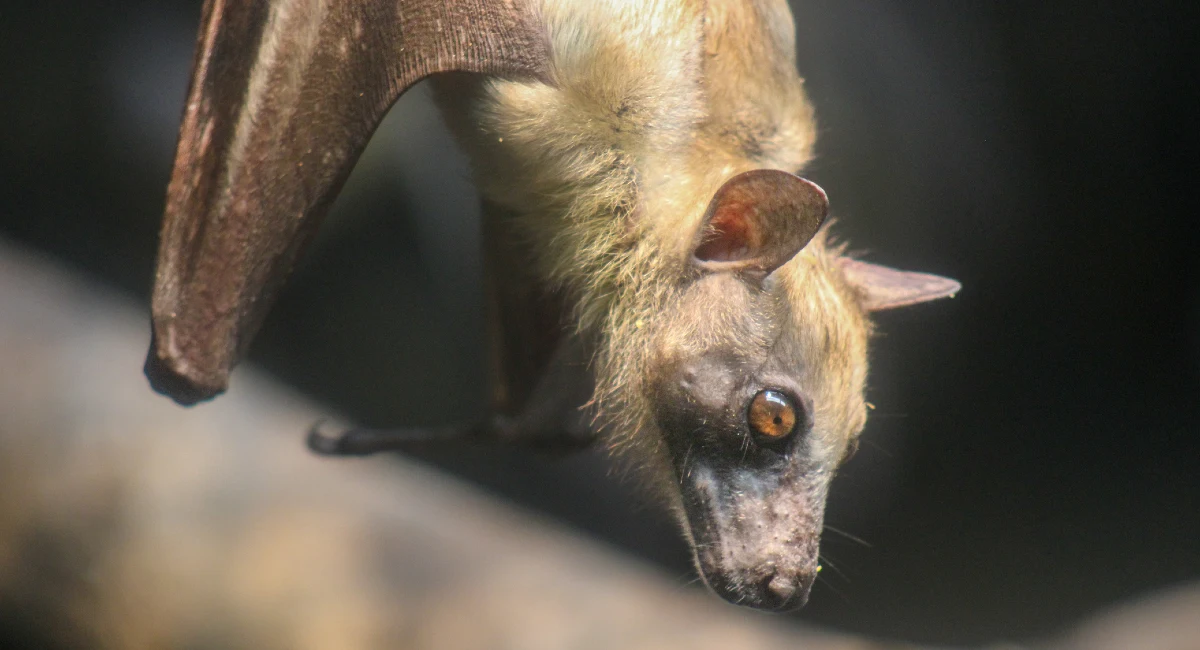
False! Lots of people think bats suck blood. While it's true that vampire bats exist, they’re rare and primarily feed on large animals in Latin America, often without their hosts even noticing. The actual bat fact is that they eat insects, fruits, and nectar. In commercial properties, they can be extra attracted to food sources like fruits, open dumpsters, or poorly sealed buildings.
True! Bats are incredibly important for our ecosystem! They play a crucial role as pollinators and disperse seeds for plants like bananas and avocados. They also eat thousands of insects each night, acting as natural pest control. Because of their importance, many protections and regulations are in place for removing bats from properties.
False! This is a very common bat myth. Bats might fly close to investigate but won't intentionally get tangled in your hair. They drop down and flap their wings to take flight, which might look like they're swooping down on you. They also don't make nests. So, don't worry; your hair is safe when it comes to bats!
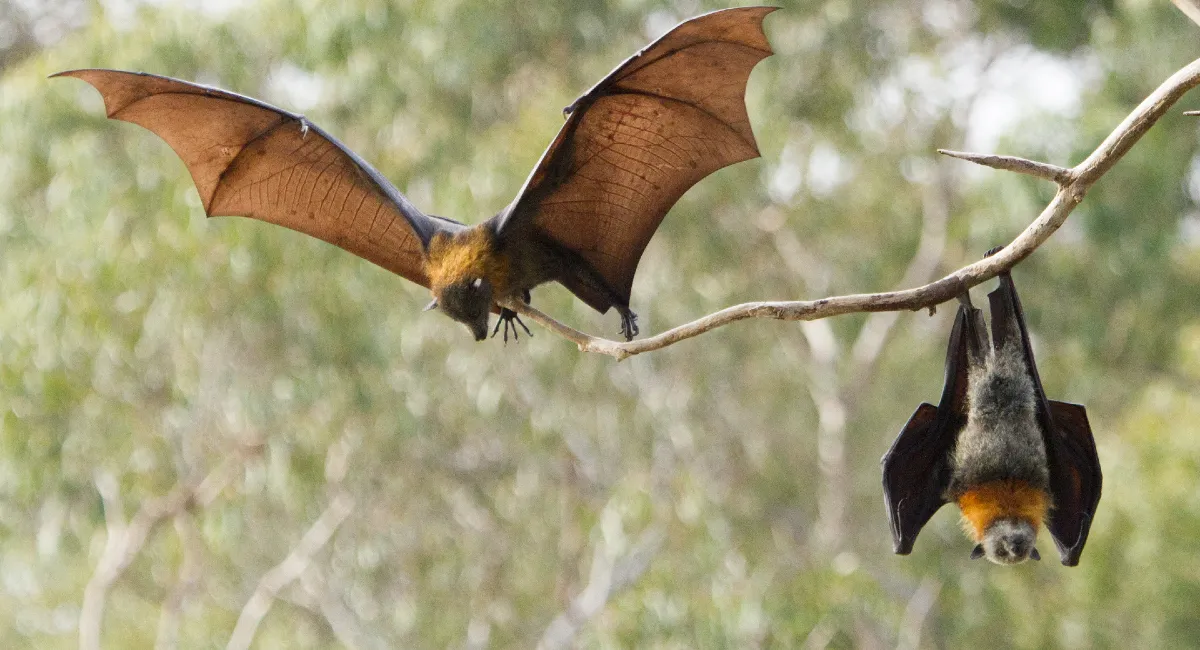
True! Bat's hind limbs are rotated, and specialized tendons let them cling without using energy. This position keeps them safe from predators and allows them to take flight easily. They aren’t just found in caves or the wild; they can also make themselves at home in commercial buildings! They love to roost in attics, behind shutters, or in any cozy nook where they feel safe.
False! While bats can be persistent, effective bat control is possible. At Rentokil, our bat control experts not only focus on safely removing bats but also have the exclusion methods to keep them out. We understand the importance of humane treatment and adhere to all required regulations when it comes to removing and controlling bats. Our technicians will safely remove bats and help prevent them from returning. If you're dealing with a bat problem, get started with our bat control services!