PestNetOnline
Login© 2026 Rentokil Initial plc and subject to the conditions in the Legal statement
For many people, the time to deck the halls is fast approaching. A fresh Christmas tree is often at the center of holiday decorations. But did you know that Christmas trees can harbor a host of insect pests?
Before you head to the farm or lot to pick out this year's Christmas tree, find out the 3 steps you need to take to avoid bringing these 8 common Christmas tree pests home with your festive evergreen.
Yes, it's true, there could be bugs hanging out in your Christmas tree.
The truth is, trees can harbor any one of dozens of pests. They're coming from nature, after all. But, there are six pests that are a bit more likely than others to be taking up residence in evergreen trees.
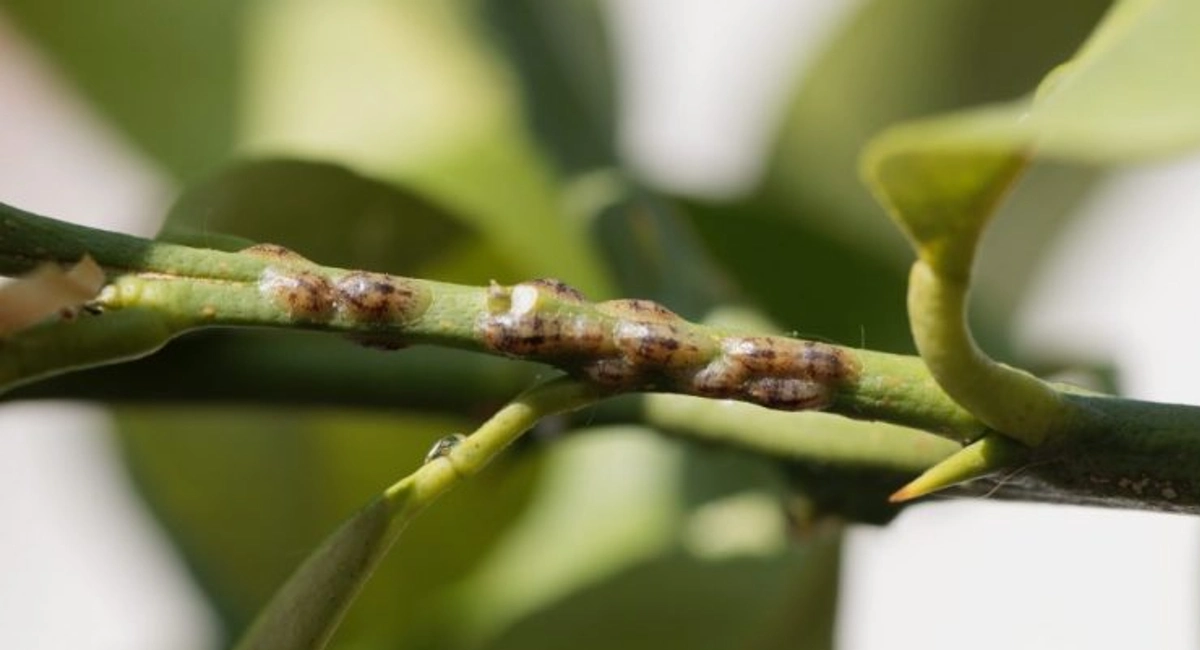
Scale insects are tiny, sap-feeding insects that are likely to be found on the trunk, limbs, and bark of the tree.
.2025-05-09-09-00-16.webp)
Like scale insects, aphids are sap-feeders that can be found on many plants, including conifer trees. Aphids can damage trees. As they feed, they leave behind a sticky residue known as honeydew, which can grow a soot-like mold. Aphids can also cause trees to have discolored needles or drop them altogether.
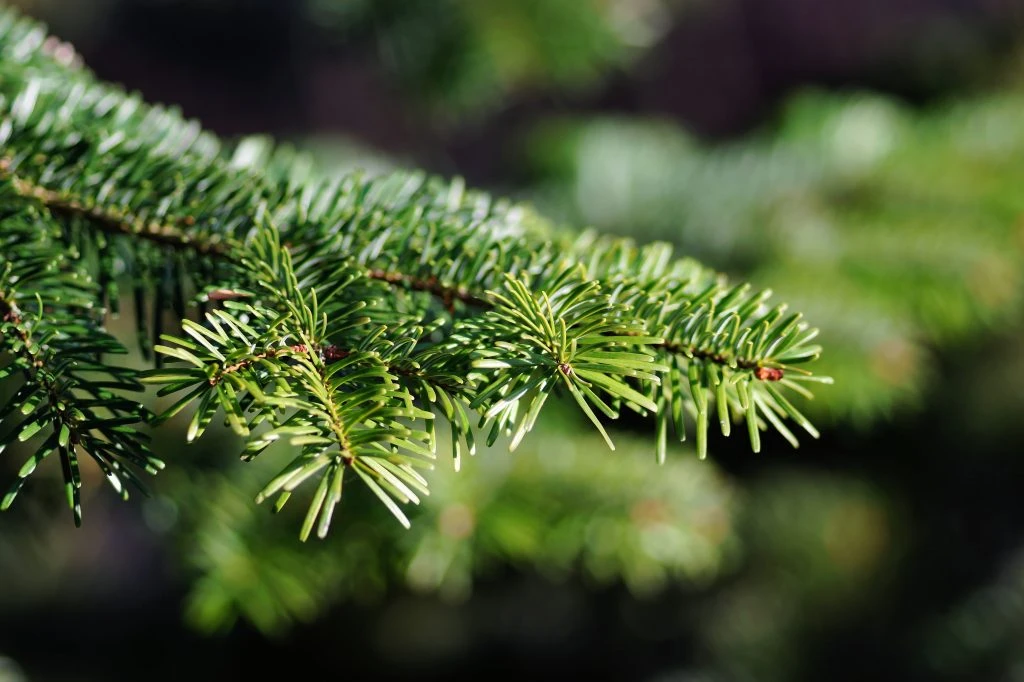
A cousin of aphids, adelgids feed on trees' liquids. Unlike aphids, adelgids have a particular diet and only feed on conifer trees. They create a white, cottony-wax on trees.
.2025-05-09-09-00-16.webp)
While they can be found throughout the U.S., bark beetles are most common in the Western U.S. These beetles reproduce under the outer bark of trees, which can cause extensive damage to trees and even kill them.
.2025-05-09-09-00-16.webp)
Psocids that attack trees are sometimes called "barklice." Unlike other pests listed here, psocids do not damage trees. They feed on lichens and other fungus growths on trees. These small pests can range from 3 to 6 millimeters in size.
.2025-05-09-09-00-16.webp)
Spiders are predatory and love to feast on other insects. Since conifer trees are often the preferred feeding source of these other insects, spiders can be found in trees hunting for food. Any number of spider species can be found in these environments. Look for spider webs in or around the tree as a sign of a potential spider infestation.
There are a few other species of insects that may be hiding out in trees, depending on where you live.
These pests can lay egg masses on trees. When brought inside, those egg masses could be stimulated by the warmth of a home and potentially hatch there. While unlikely, it's all the more reason to take precautions to avoid bringing these pests into your home.
.2025-05-09-09-00-16.webp)
The praying mantis is easily identified by its "prayerful" posture. Adults can be green or brown in color. Its egg mass, however, may be harder to spot because it blends in well with trees. The spongy-looking tan-brown mass attached to a tree limb has been compared to the size of a marshmallow.
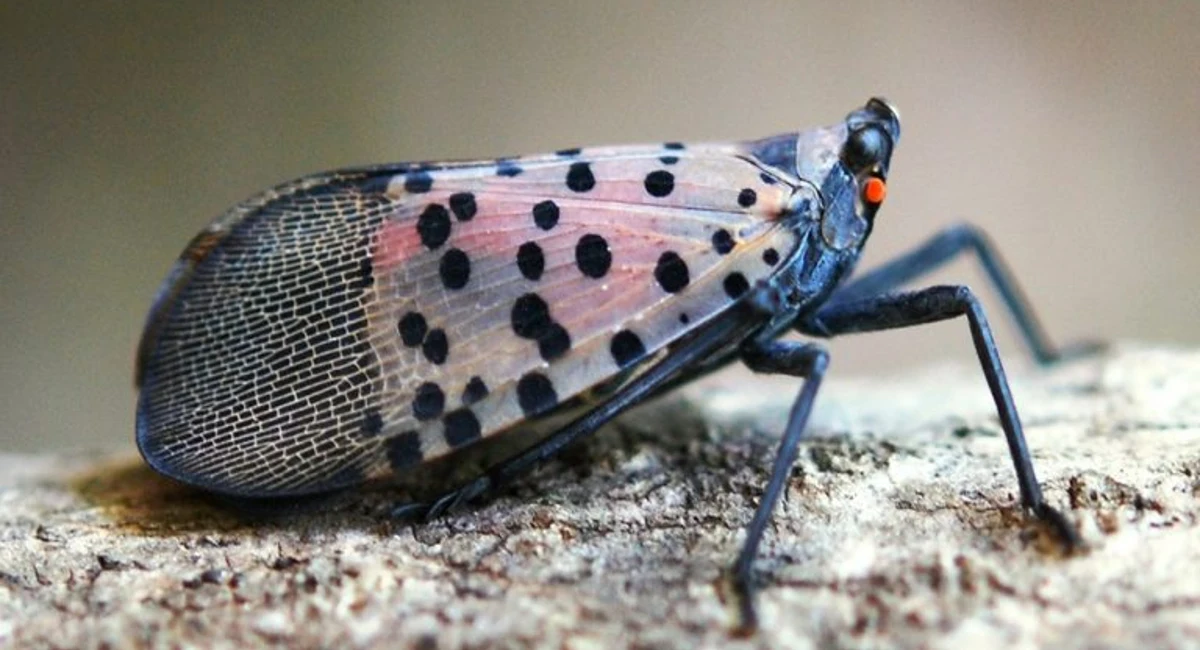
The Spotted lanternfly is an invasive pest currently found only in Pennsylvania and a few other Mid-Atlantic states, including New Jersey, Maryland, Delaware, and Virginia. These spotted moth-like creatures may look beautiful, but they are extremely destructive to trees. They lay egg masses on trees in the fall. These egg masses are mud-like patches that blend in well on trees. If you find a tree with a spotted lanternfly egg mass, scrape the mass to remove it, as killing these pests is critical to stopping their spread.
This video from Penn State Extension shows how to remove egg masses:
So how can you reduce the chances that you'll bring any of these Christmas tree pests home with you? It's as simple as 1 - 2 - 3.
These steps apply whether you're chopping down a Christmas tree at a tree farm or buying one from the neighborhood lot or home improvement store.
If you spot a stray insect around your tree after you've brought it inside, your best weapon is a vacuum cleaner. Vacuum the pest up and then empty the canister or remove the vacuum cleaner bag. Place the contents into a larger trash bag, seal the trash bag, and take it to an outdoor trash can or dumpster.
Do NOT, however, attempt to spray your tree with any type of over-the-counter bug spray or pesticide. Many of these products are flammable and the heat of Christmas tree lights could be enough to ignite it and potentially create a fire hazard.
Most importantly, don't panic. The likelihood of a stray pest making its way inside on your tree is high. But in almost every situation, these pests will be harmless to you and your family.
If you need help with a pest problem in your home, Rentokil's sister companies, Ehrlich Pest Control on the East Coast, Western Exterminator on the West Coast, and Presto-X Pest Control in the Central U.S. are ready to help. Visit their websites for contact information in your area.
Check out Dr. Gore's interview with Prevention Magazine on the subject of pests in Christmas trees.