myRentokil
myRentokil login© 2026 Rentokil Initial plc (M) Sdn Bhd Registration No: 197201001250 (12889-M). Subject to the conditions in the Legal statement
From as early as 2500 B.C., toxic chemicals such as sulphur have been used to control and exterminate insects. But, with growing consumer concerns and tighter regulations, we’ve seen an ever-growing shift in demand towards more sustainable pest control practices, with low and non-toxic solutions gaining traction. Solutions that can be more effective than their chemical counterparts are ideal for sensitive food businesses.
But what are these non-tox and low-tox solutions that are most effective against the common pests in the food sector? Let’s take a look.
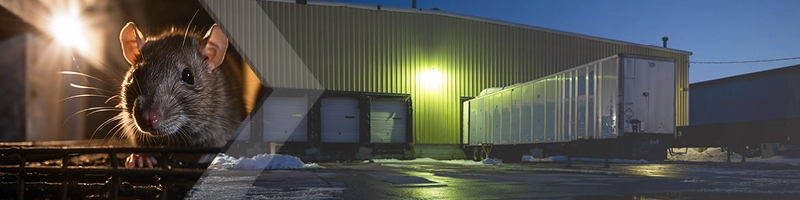
A discussion about non-toxic methods of pest control, protecting food businesses from common pests would not be complete without the mention of rodents.
Rodents multiply rapidly, and infestations quickly become difficult to control. They impact staff morale, damage equipment stocks, and potentially lead to legal action, and food businesses are particularly vulnerable, losing an average of 8 working days a year due to rat infestations.
It's only made worse by growing resistance to rodenticides, environmental concerns and regulatory phaseouts, which are all driving greater demand for non-toxic rodent control solutions.
One crucial aspect of non-tox and low-tox rodent control is rodent proofing, which involves identifying and sealing any potential entry points. By preventing rodents from accessing buildings in the first place, the reliance on rodenticides is significantly reduced.
This focus on prevention is a key aspect of integrated pest management (IPM) programmes, which offer effective, non-toxic rodent control. Strategies rely on exclusion, restriction and monitoring techniques to prevent infestations before they occur, reducing the need for rodenticides to control pest activity.
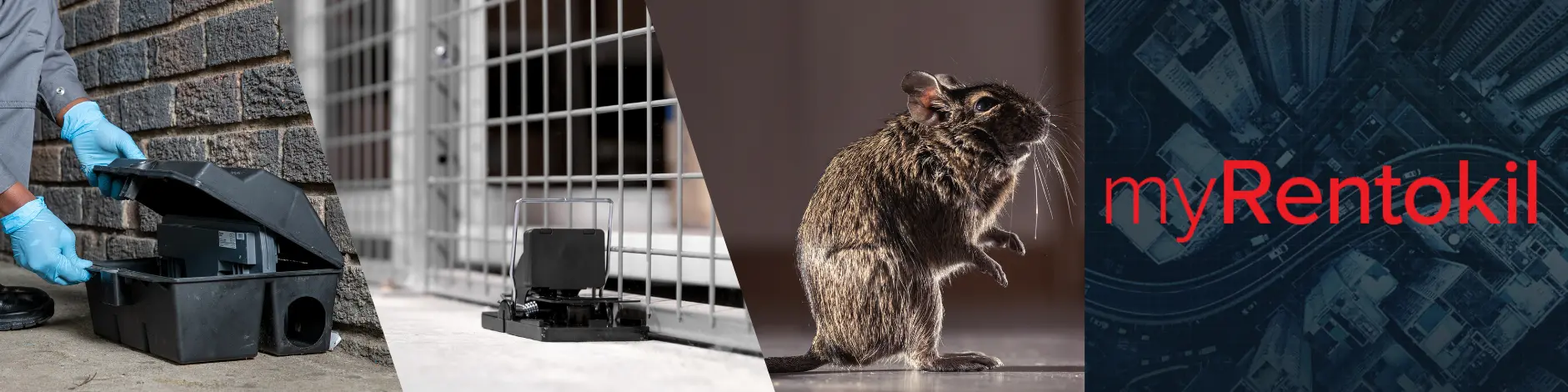
Another method for food businesses to monitor and control rodents is through PestConnect. PestConnect is Rentokil’s ecosystem of connected devices. It helps businesses meet strict audit rules and follow standard procedures.
Rat Riddance and Dual AutoGate are connected devices that monitor and control rats effectively. Our innovation is ideal for high-dependency industries and sectors like food production and food retail, where the use of toxic solutions may not be the safest or most suitable option. Both devices are placed at strategic locations where rodent activity is suspected.
When the device is triggered, it immediately sends alerts to our technicians, enabling a fast response that helps prevent contamination, lowers the risk of infestation, and reduces the need for rodenticide use. These alerts and pest activities are also shared through our digital platform, myRentokil. So data is available for customers and relevant stakeholders anytime, anywhere. With the availability of data at every stage, it provides our customers with improved data transparency and better traceability. The device also sends regular updates to the control panel and saves data so customers can check it anytime they want.
Technological innovations and advancements are further enhancing these proactive efforts. What was once not even a possibility in early pest control is now far more commonplace. Connected rodent-control devices offer holistic protection, detecting and reporting real-time pest activity, making it possible for technicians to respond more rapidly, preventing infestations from escalating and, ultimately, minimising the need for reactive treatments and rodenticides.
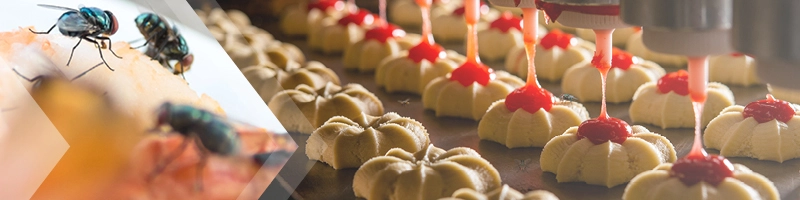
If it's not rodents, then it's flies, with their rapid breeding cycles and ability to spread diseases, fly infestations are the most likely to cause illnesses in employees (according to the above CeBR study). In fact, flies have become a growing problem for food businesses, second only to rodents. They can easily get through tiny gaps, love warm areas with food, and often land on food preparation surfaces. This makes them hard to control and a serious risk to both cleanliness and business reputation.
Fly traps in various capacities have been around for hundreds of years, but one innovation that is a lot newer on the scene, and more effective than its predecessors, Lumnia – the non-toxic LED insect light trap.
These traps use LED technology that emits UV-A light, which is highly attractive to flies, making them significantly more effective than conventional fluorescent lamps. These ILTs can offer substantial energy savings up to 79% compared to traditional UV light traps and help to protect the environment by using LED light instead of the harmful fluorescent lamps.
Now is the perfect time to be part of our TradeUp programme — Lumnia Slim and Compact are available at a special price from RM520 for a limited time only. These units are ideal for front-of-house areas such as dining rooms, bars, food retail spaces, and pantries. To make your experience worry-free, each unit also comes with 6 FREE additional glue boards during this offer.
As technology continues to advance, we can expect even more innovative and effective low-tox and non-tox solutions to emerge, shaping a future where pest control and environmental responsibility go hand in hand.