myRentokil
Manage your business
Learn more about the 5 key facts about bed bug eggs and how to get rid of bed bugs and their eggs with Rentokil in this article.
Bed bugs are not just those tiny black insects you see on your mattress - they are much more of a problem than they first appear. The real issue begins much earlier, with bed bug eggs.
Bed bug eggs are the first stage in the bed bug life cycle and are crucial to understand in order to prevent further infestation. These eggs play a significant role in the development of bed bugs or mattress bugs, which can become a serious issue in your home if not properly addressed from the start.
In this article, we’ll discuss 5 things you should know about bed bug eggs, including:
By understanding these points, you'll be better equipped to take the right preventive steps before the bed bug problem gets more severe in the future.
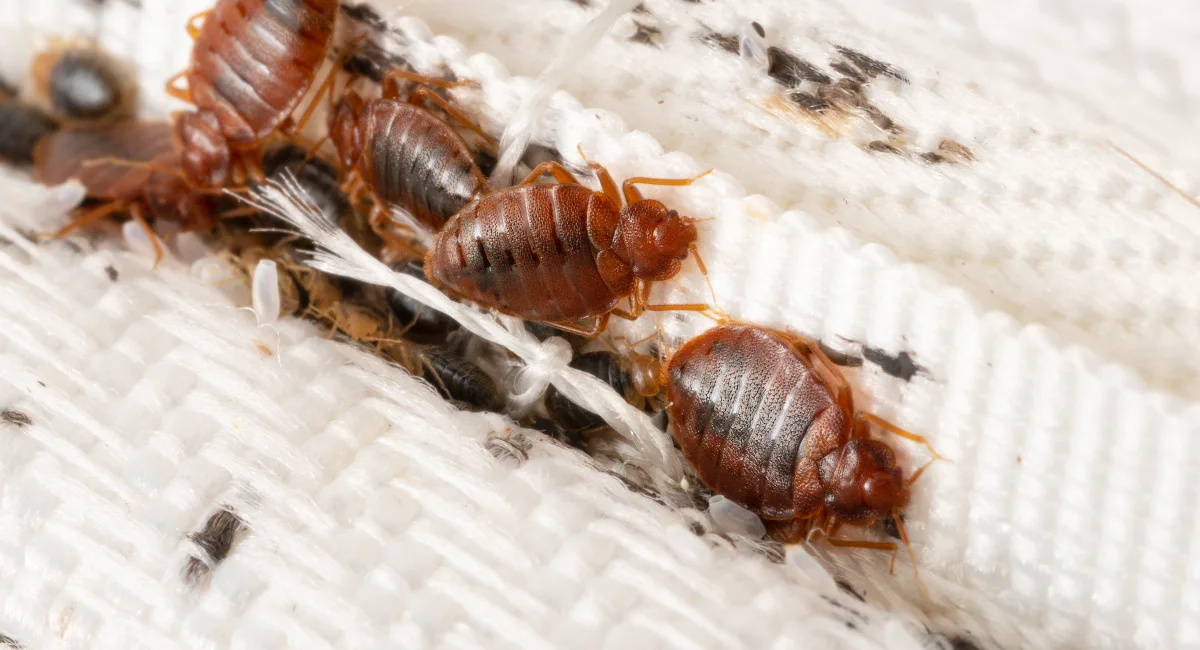
Let’s dive into the appearance of bed bug eggs, starting with their color, size and why understanding the early stages of their lifecycle is crucial.
At first, bed bug eggs are a translucent white or yellowish color. Over time, their color changes to light brown or cream, indicating that the eggs are developing and ready to hatch into the next stage (nymph).
Bed bug eggs are extremely small - about 1 mm in size with an oval shape and smooth surface. They are often compared to grains of salt. Because of their tiny size, bed bug eggs are very hard to spot with the naked eye or without tools like a magnifying glass.
Bed bug eggs play a critical role in the lifecycle of bed bugs, acting as the initial stage that kicks off their reproduction process. After being laid by the female bed bug, these eggs hatch into nymphs, which then continue to spread bed bugs throughout the environment.
The small size and subtle color of bed bug eggs make them difficult to spot. Female bed bugs typically lay their eggs in hidden crevices, such as between mattress layers, in wall cracks, or behind furniture. Due to their hidden locations and small size, bed bug eggs are often missed during cleaning, even in areas where bed bugs are commonly seen.
.2025-05-09-09-00-16.webp)
Bed bug eggs generally take about 6 - 10 days to hatch, depending on environmental factors like temperature and humidity. Warmer temperatures may speed up the hatching process, while cooler environments can slow it down.
Bed bugs typically lay 1 - 5 eggs per day throughout their lifespan. A female bed bug can lay between 200 - 500 eggs during her lifetime, which usually lasts from 6 - 12 months.
Finding bed bug eggs in your home can be quite challenging for most people, especially given their small size and tendency to hide in hard-to-reach places. Even diligent homeowners may miss these eggs without professional help.
While spotting bed bug eggs without the proper tools can be difficult, there are a few areas to inspect that can help you find them. Here's how and where to look for bed bug eggs:
Eliminating bed bugs and their eggs from your home can be done through two main options: intensive cleaning or professional help. Let’s look at both methods to see which is more effective.
The first step homeowners can take is intensive cleaning, which can help remove bed bug eggs and their adult forms. Here are some cleaning methods you can try:
While cleaning can help remove bed bug eggs and bed bugs, it’s risky if not done properly. For example, if the vacuum isn’t emptied and cleaned immediately, the bed bug eggs may survive inside and spread to other areas later.
If bed bugs and their eggs continue to thrive despite your cleaning efforts, it's time to consider pest control professionals. Bed bug eggs are often hidden in tiny cracks that could lead to a new infestation if not properly treated.
Professional pest control is more effective at eliminating bed bug eggs and adult bed bugs. With the right tools and techniques, pest control experts can detect hidden nests and ensure areas missed in DIY cleaning are properly addressed.
Professional services provide quick, thorough, and safe bed bug control, offering long-term protection from re-infestation and keeping your home free from bed bugs and their eggs.
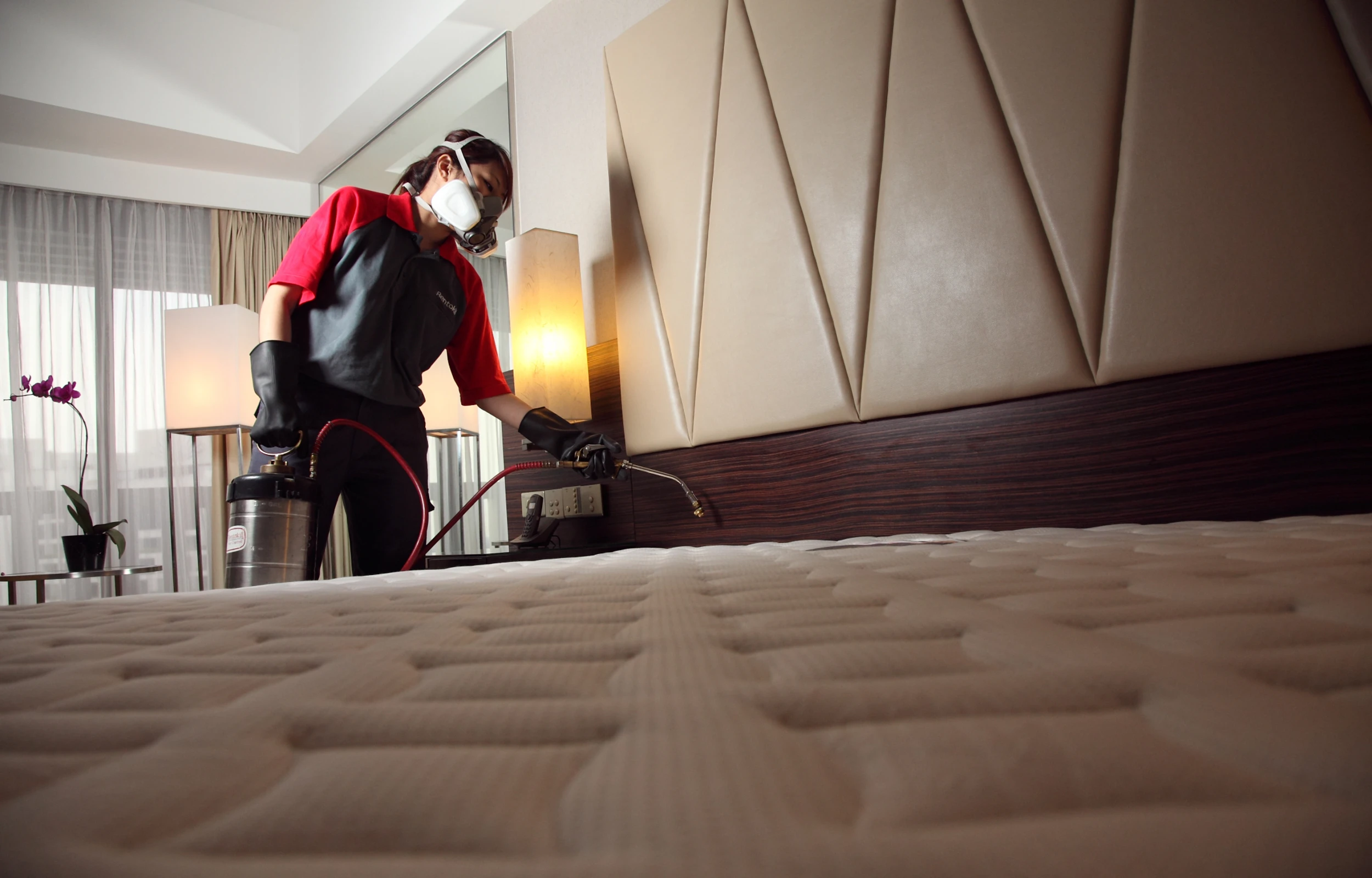
Getting rid of bed bugs and their eggs is no easy task since bed bugs hide in hard-to-reach places and reproduce quickly. For this reason, enlisting in a professional pest control service is the best solution for comprehensive elimination and prevention of recurring bed bug infestation.
As Indonesia’s no. 1 bed bug exterminator, Rentokil offers an effective and safe bed bug control service at every stage of their lifecycle from eggs, to nymphs, to adult bed bugs through our Bed Bug Elimination Program.
Our Bed Bug Elimination Program uses three main methods that are environmentally friendly, effective and chemical-free, making them safe for your home and family.
Contact Rentokil’s call center at 150808 or fill out our online form to learn more about the Bed Bug Elimination Program today.
Protecting Indonesian homes and businesses for over 50 years