myRentokil
Access the online reporting system
Field and house mice are among the most frequently encountered rodent species in Australia, each with distinct traits. Field mice typically have sandy or reddish brown coats with lighter undersides and are commonly found outdoors in rural or semi rural areas, especially in sheds or near stored crops. House mice, on the other hand, are smaller, grey brown in colour, and prefer to live inside or around human dwellings. Unlike field mice, which rarely venture indoors, house mice thrive in homes and commercial buildings throughout the year. Understanding the key differences between these two species helps identify infestations early and choose the right treatment strategy.
There are many different types of mice present in Australia.
Two species considered to be a major pest in this country are the Field Mouse and the common House Mouse.
(Apodemus sylvaticus)
Field mouse rarely venture into inhabited buildings but in the winter months, they will go into outhouses and sheds where fruit and vegetables are stored.
Field mouse are a big threat to businesses operating in farming and agriculture but is not prevalent in Australia.
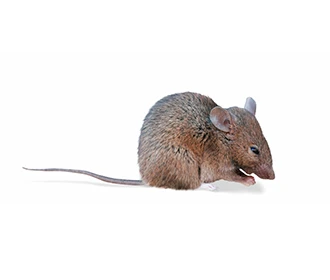
(Mus domesticus)
House mouse are active all year round, which means you could find them invading your home or business at any time.

Mice activity often increases during seasonal changes, particularly when outdoor food sources decline or temperatures shift. In rural regions, grain harvesting periods can drive mice toward storage facilities and sheds. In suburban areas, easily accessible food waste and cluttered storage areas provide ideal nesting conditions.
Even small structural gaps around doors, vents and plumbing can allow mice to enter. Once inside, concealed areas such as wall cavities and roof voids provide shelter that supports breeding and ongoing activity.
Mice can contaminate food products, damage packaging and insulation, and gnaw on electrical wiring. In commercial environments such as hospitality venues, warehouses and food processing sites, mouse activity can affect hygiene standards and stock integrity.
Early identification reduces the risk of structural damage and operational disruption.
You should arrange professional mouse control if you notice droppings, scratching sounds at night, gnaw marks, nesting materials or unusual odours. Mice reproduce quickly, so delays can allow populations to increase.
Rentokil provides tailored mouse control services for Australian homes, farms and businesses. Our technicians assess activity levels, identify access points and apply targeted treatments suited to the property and environment.
Protecting Australian homes and businesses for over 50 years