The Experts in Pest Control
Don't just imagine your business with no pests...experience pest-free with Rentokil.
Termite control can be completely ineffective if not followed up with proper aftercare. Often, small misunderstandings or simple mistakes made after the treatment can severely reduce the effectiveness of the termite control solution applied to your property. This article highlights 7 common post-treatment mistakes homeowners unknowingly make—use this as your checklist to ensure your home stays protected and termite-free for years to come.
Now that you understand the importance of termite control aftercare, let’s go over the most critical don’ts. Memorize these 7 absolute no-nos to prevent termites from making a comeback in your newly treated home.
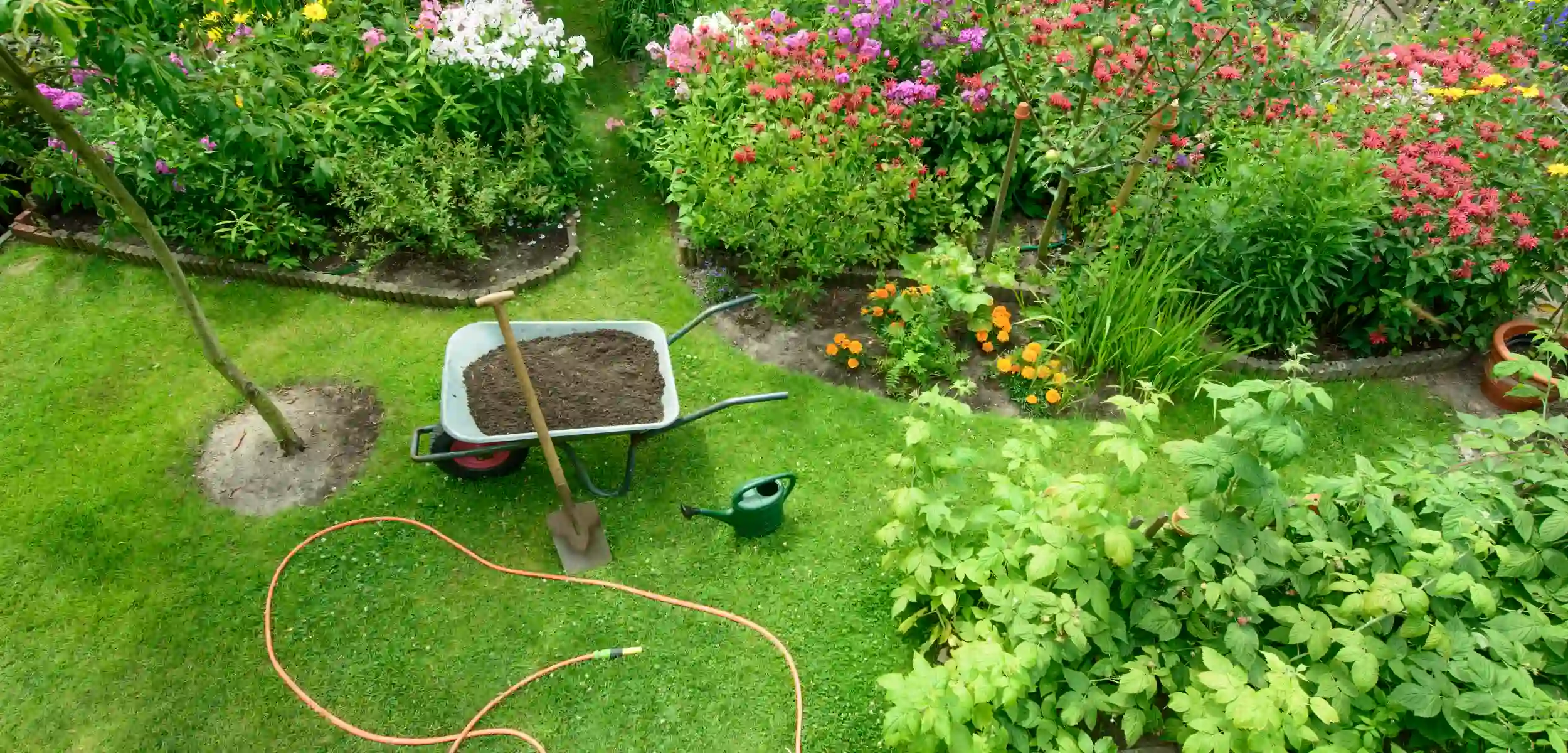
Once your home has undergone soil injection termite treatment, do not bring in outside soil or start gardening right away. Doing so can disrupt the chemical barrier that was just applied to the foundation. This barrier acts as a protective zone to stop termites from entering your home. Soil from outside—even if it looks clean—may carry termite eggs, larvae, or adult termites from untreated areas or new colonies. New soil will also dilute the concentration of the treatment chemicals, weakening your home’s defense and creating new entry points for termites.
Today’s termite solutions are designed to be moisture-resistant, but excessive watering—especially within the first 2–3 days—can still dilute or wash the chemicals deeper into the soil, away from the target zone. Avoid flooding the treated areas. Water plants as usual but don’t overdo it. Keeping the soil properly balanced helps preserve the integrity of the chemical barrier.
3. Never use harsh chemical cleaners
It’s tempting to deep-clean your home after a treatment, but using harsh cleaning agents like bleach, ammonia, or concentrated disinfectants can neutralize the termite solution. These products can chemically react with the treatment, stripping away the protective layer you just paid to have applied. This creates weak spots that termites can exploit to re-enter your home. For the first few days, stick to lightly damp cloths and water when cleaning treated areas.
After a termite spray treatment, the air may still contain lingering chemical particles and odors. Sealing your home immediately after treatment traps these chemicals inside, which can lead to respiratory irritation, dizziness, or allergic reactions—especially for those with sensitivities. Ventilate your home for at least 2–3 hours after the treatment. Open doors and windows to let fresh air circulate and flush out chemical residues. This ensures a safe breathing environment for everyone.
Moisture attracts termites. Leaky pipes, damp basements, poor ventilation, or even a dripping roof can quickly undo all your termite control efforts. Even after a treatment, termites can be drawn to these moist areas. Repair any leaks immediately and improve drainage wherever needed. Also, avoid placing cellulose-rich materials like firewood, old furniture, cardboard, or lumber near your home’s walls. These can serve as termite bridges into your house. Always store them at a distance and inspect regularly.
This one is critical. Kids and pets are far more vulnerable to chemical exposure than adults. Crawling, playing on the floor, or licking paws after stepping on treated surfaces can lead to accidental ingestion of residual chemicals. Their small bodies and developing systems make them more sensitive to chemical exposure. Keep children and pets away from treated areas for at least 24–48 hours, and only allow access once the surfaces are completely dry and initial cleaning has been done properly.
Last but not least: don’t treat termite control as a one-and-done fix. Termites are persistent, and skipping follow-up inspections or neglecting environmental upkeep around your property can bring them back. Always follow your termite control company’s maintenance recommendations and consider renewing your service contract if needed.
This is where working with a global expert like Rentokil makes all the difference. We don’t just spray and leave—we provide clear, complete aftercare guidance, including information on the chemicals used, safe reentry timelines, and customized tips for your home. With us, you don’t have to guess. You’ll know every step is safe and effective.
If you’re currently dealing with termites, don’t wait—contact Rentokil today.