The Experts in Pest Control
Don't just imagine your business with no pests...experience pest-free with Rentokil.
As the rain falls continuously, the land that was once dry transforms into a vast expanse of water. Fields, homes, and roads are flooded, causing widespread damage and distress to the people. Beyond the destruction of property, floods also carry the risk of spreading various diseases, especially leptospirosis—an unseen threat that lurks in the floodwaters, waiting to strike unsuspecting flood victims.
Leptospirosis, or rat urine disease, is a bacterial infection caused by Leptospira bacteria, commonly found in the urine of animals such as rats, dogs, cattle, and buffalo. When flooding occurs, these bacteria mix with the water, soil, and mud, becoming an invisible danger that threatens people's health. It is particularly hazardous for those wading through floodwaters, coming into contact with contaminated surfaces, or having open wounds on their bodies. But there's more to know—continue reading to learn how to protect yourself from this silent danger.
Leptospirosis, also known as rat urine disease, is caused by a type of bacteria called Leptospira, which is shaped like a small spiral and is invisible to the naked eye. This bacterium typically lives in the kidneys of many mammals, including rats, cattle, buffalo, dogs, and pigs. Among these, rats are the primary carriers, making it easy for the bacteria to spread to humans.
So, how does Leptospira enter the human body? The most common way is through cuts, scratches, or any broken skin. When walking through floodwaters or coming into contact with soil or mud contaminated with the bacteria, it can enter the body through even the smallest wounds. The bacteria can also enter the body if you touch your face, accidentally eat contaminated food, or drink infected water. So, what are the symptoms? Let’s explain that next.
The symptoms of leptospirosis vary greatly. Some people may experience mild symptoms similar to a cold, while others may develop severe symptoms that can lead to death. The severity depends on several factors, such as the amount of bacteria received, the patient’s health, and how quickly treatment is administered. I will explain the symptoms by dividing them into two stages as follows:
Stage 1 (Acute Fever Stage)
Typically, there is a high fever ranging from 38-40°C, chills, and severe headaches. In some cases, the headache can be so intense that it’s unbearable. Muscle aches, especially in the calves, thighs, and back, are common. Some people may experience such severe pain that walking becomes difficult. Conjunctivitis (red eyes) can also occur, along with eye discharge or tears. Nausea, vomiting, and diarrhea may also accompany these symptoms. Additionally, a rash or small red spots (petechiae) may appear on the skin.
This stage typically occurs within 1-2 weeks after exposure to the bacteria, and the symptoms may last for about 4-7 days. If treated properly, symptoms will gradually improve.
Stage 2 (Complicated Stage)
If not treated appropriately, some patients may develop severe symptoms and complications such as jaundice (yellowing of the skin and eyes), which results from liver inflammation. The bacteria Leptospira can also damage the kidneys, causing kidney dysfunction with reduced urine output. Liver damage can result in liver failure. Meningitis (inflammation of the membranes surrounding the brain) can cause high fever, headaches, a stiff neck, confusion, and even seizures. Abnormal bleeding, such as coughing up blood, blood in stools, or skin bleeding, can also occur.
These complications are very dangerous and can lead to death. Therefore, if you experience symptoms of leptospirosis, it is crucial to see a doctor immediately for prompt treatment. It is important to note that the symptoms of leptospirosis can be varied and may resemble those of other diseases, such as the flu or dengue fever. So, if you have a fever, body aches, and a history of exposure to floodwaters or animals that may carry the bacteria, it’s essential to seek medical attention for a proper diagnosis and timely treatment.
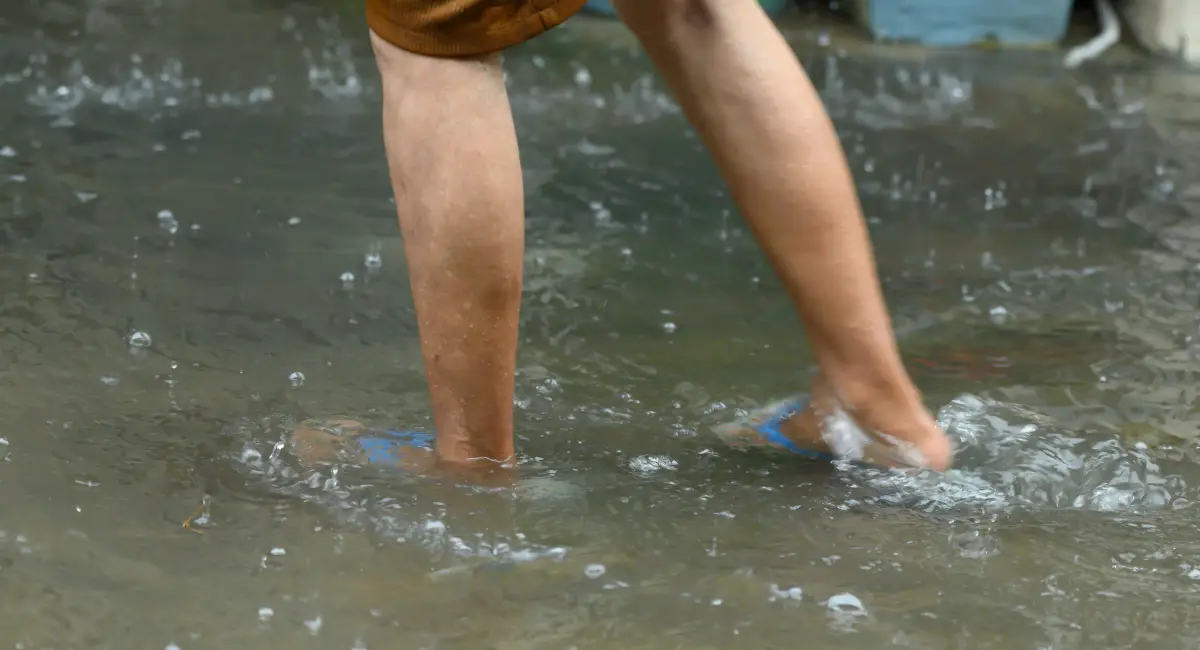
Leptospirosis is caused by a bacterial infection from Leptospira, which is found in the urine of various animals, especially mammals such as:
The risk of contracting leptospirosis is primarily linked to contact with water or soil contaminated with the bacteria. Flooding is a significant risk factor as it allows Leptospira to spread quickly and easily, especially in areas where water has accumulated, such as rice fields, homes, and roads. The bacteria mix with water, soil, and mud, creating a high risk for those who wade through or come into contact with these contaminated materials.
Additionally, activities like swimming or engaging in water-based activities in natural bodies of water (rivers, canals, ponds, lakes) also pose a risk, as the water may be contaminated with animal urine. People who work in agriculture, livestock farming, or frequently come into contact with water, soil, and animals, such as farmers, gardeners, farm workers, veterinarians, and slaughterhouse workers, are at higher risk than the general population.
Leptospira can easily enter the body through cuts, scratches, or broken skin, even if the wound is small. Therefore, individuals with open wounds should take care to clean and cover their injuries when coming into contact with water or soil. Basic hygiene practices, such as washing hands and feet thoroughly after exposure to water or dirt, eating properly cooked food, and drinking clean water, can significantly reduce the risk of infection.
Remember, leptospirosis is preventable. Avoiding risk factors and maintaining proper hygiene are key to preventing the disease.
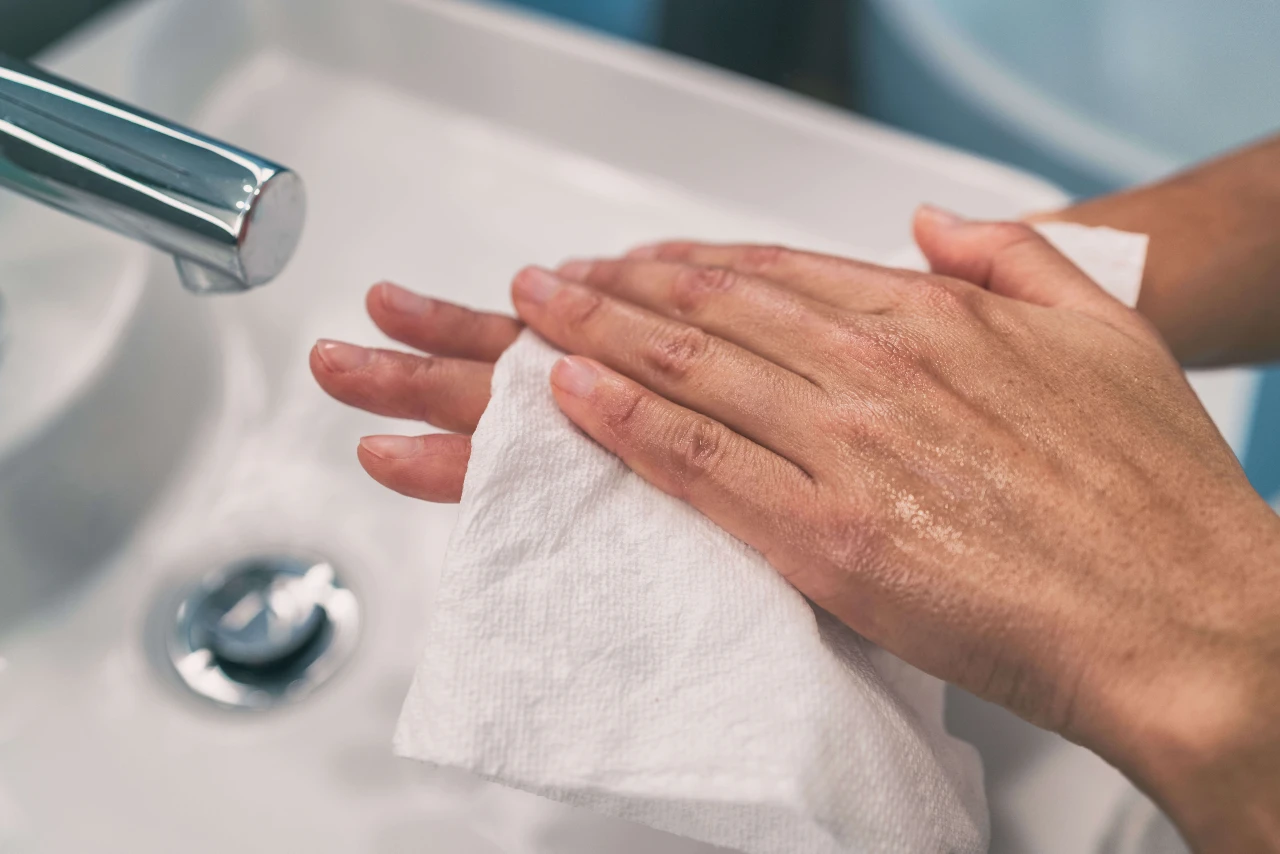
Preventing leptospirosis is extremely important because if contracted, the disease can lead to severe symptoms and even death. The good news is that we can protect ourselves from this disease with simple measures. The key is to avoid contact with floodwaters, especially in areas with standing water, such as rice fields, homes, and roads, as these waters may be contaminated with Leptospira from the urine of animals. If it's necessary to wade through floodwater, wearing rubber boots or waterproof materials that rise above the flood level is essential to prevent your feet from direct contact with the contaminated water. Be cautious to avoid allowing water to accumulate in your footwear, and refrain from swimming or playing in natural bodies of water like rivers, canals, ponds, and lakes, which may contain animal urine.
Always wash your hands and feet with soap and clean water after touching water, soil, mud, or animals. Take a shower immediately after wading through floodwaters or working in at-risk areas. Keep your home and surroundings clean by disposing of trash, food scraps, and waste that could attract rodents. Eliminate rats from your home and surrounding areas to reduce the risk of spreading the bacteria.
For best practices, clean any wounds with clean water and soap every time, then cover the wound tightly with waterproof bandages or dressings to prevent infection through the cut. Avoid eating raw or undercooked food, and drink only clean water, whether boiled or bottled and sealed.
Additionally, for those at higher risk, such as farmers, rice growers, gardeners, farm workers, veterinarians, and slaughterhouse workers, it’s advisable to get a vaccination against leptospirosis to reduce the risk of infection. If you experience symptoms like fever, headaches, muscle aches, red eyes, nausea, vomiting, and have a history of contact with floodwater or animals that could be carriers, seek medical attention immediately for proper diagnosis and treatment.
As the saying goes, prevention is better than cure. By practicing good hygiene, avoiding risk factors, and following the above recommendations, you can keep yourself safe from leptospirosis even during floods.
In the end, floods can cause damage to homes and property, but what’s more dangerous is the hidden threat of leptospirosis carried by floodwaters. Being aware of this silent danger and maintaining strict hygiene is your best defense. However, for even more peace of mind, don’t forget Rentokil, experts in pest control, who can help you eliminate rodents, the primary carriers of the disease, professionally, keeping you and your family safe from leptospirosis, even during flood season. Rentokil protects you from silent threats, so you can feel safe even when floods come.