The Experts in Pest Control
Don't just imagine your business with no pests...experience pest-free with Rentokil.
Just hearing the word “cockroach” is enough to make your skin crawl, right? These pesky creatures are a major headache for many people, whether in homes, condos, or even restaurants. Not only do they cause annoyance by scurrying around and giving you a fright, but they’re also disease carriers, posing health risks to those in the household. But don’t worry! This article has gathered a range of easy, safe, cost-effective, and eco-friendly DIY methods to help you get rid of these bothersome cockroaches and restore peace to your home.
Cockroaches—those pesky creatures that scurry around, sometimes even flying unpredictably, bring horror and disgust to many. Not only are they annoying, but they also carry diseases that pose health risks. However, don’t worry; today, we have several simple, safe, and budget-friendly DIY methods to help you drive these unwelcome guests out. With these tips, your home will be clean, safe, and roach-free in no time.
Soap is a common household item that often goes overlooked as a pest repellent. Yet, it can effectively repel cockroaches. Soap works by destroying the oily, waxy layer on cockroaches' exoskeletons, causing them to lose moisture and eventually die. In addition, the scent of certain soaps can deter cockroaches, making them avoid areas where the smell lingers.
To use soap as a cockroach repellent, mix liquid soap with water in a 1:1 ratio, then pour the mixture into a spray bottle. Spray it in areas where cockroaches frequent, such as corners, door frames, windows, and drains. Alternatively, you can scrape bar soap into shavings or cut it into small pieces and place these in spots where cockroaches are likely to roam, such as under cabinets, behind the fridge, or in the kitchen.
For best results, choose soaps with strong scents, like lemon or citronella, as these smells repel cockroaches even more effectively. Additionally, maintain cleanliness in your home by regularly cleaning up food crumbs and water sources that attract cockroaches. Sealing cracks, gaps, and entry points in walls, floors, and pipes can further help prevent cockroaches from entering your home.
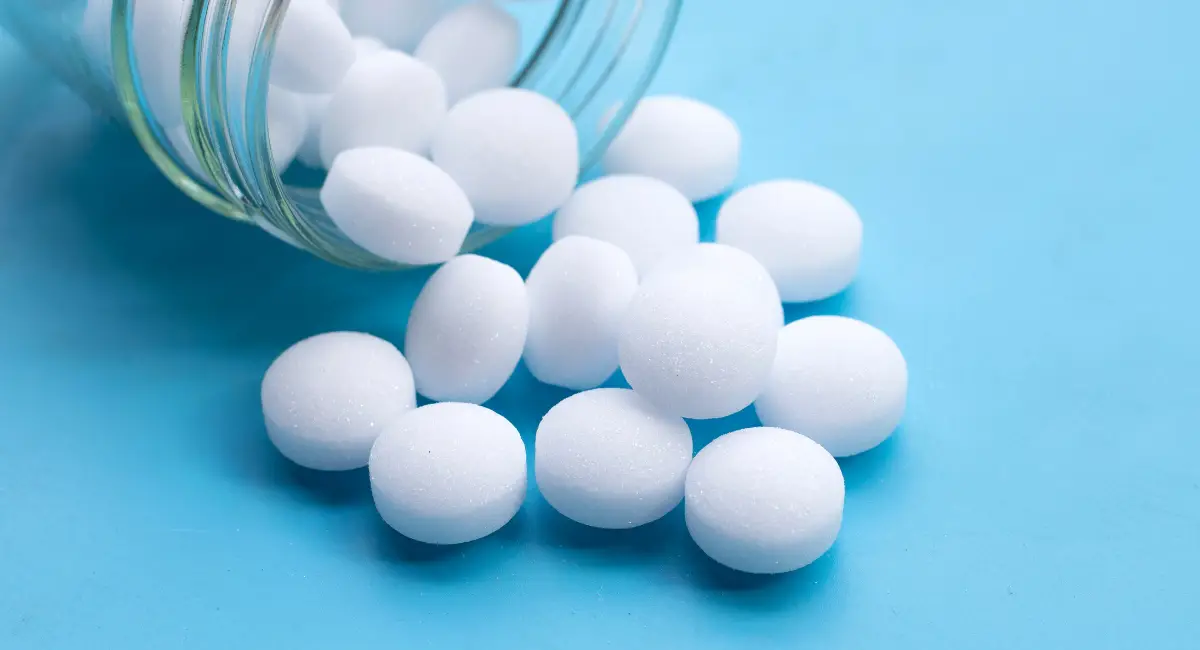
Mothballs have long been a popular DIY method for repelling cockroaches. They're easy to find, inexpensive, and simple to use. While they may not be the most "eco-friendly" option, they remain an effective choice, especially when used in combination with other methods. Mothballs contain chemicals like naphthalene or para-dichlorobenzene, which emit a pungent odor that cockroaches find unpleasant. These chemicals sublimate into vapor, spreading throughout the area and disturbing the cockroaches' olfactory system, causing them to flee.
How to Use: Start by placing mothballs in areas where cockroaches are commonly found, such as under sinks, behind refrigerators, in wardrobes, or in corners. You can place mothballs in a breathable fabric bag and hang or position it in various spots around the house. Another method is to crush the mothballs into powder and sprinkle it along cockroach pathways or cracks and gaps around the home.
Please note that mothballs contain chemicals that can be harmful to health, so keep them out of reach of children and pets. Avoid inhaling the fumes, as they can cause dizziness, headaches, and nausea. Mothballs should not be placed near food or cooking areas, and it's important to dispose of them properly. Given that mothballs can negatively affect the environment, use them in moderation.
To increase effectiveness, combine mothballs with other methods, such as regular cleaning, sealing cracks, using herbal repellents, and frequently replacing mothballs since they lose their potency as they sublimate.
Although we enjoy the rich aroma of coffee, cockroaches, on the other hand, despise it. Therefore, used coffee grounds are another excellent, eco-friendly, and safe option for repelling cockroaches.
How to Use: First, take the dried coffee grounds and sprinkle them in areas where cockroaches are known to roam, such as room corners, under cabinets, sinks, or near trash bins. The strong scent of the coffee grounds will repel cockroaches, making them avoid the area. Alternatively, you can place coffee grounds in a container, such as a jar, glass, or small bowl, and place it in areas frequented by cockroaches. The cockroaches may enter the container attracted by the coffee smell, but they'll be unable to escape due to the slippery sides. You can also soak the coffee grounds in water overnight, then use the coffee-infused water to spray areas where cockroaches tend to hang out or along their pathways.
Be sure to replace the coffee grounds regularly for maximum effectiveness and avoid moisture buildup, as damp coffee grounds can cause mold to develop. For an added boost, mix coffee grounds with orange or lemon peel to enhance their repelling properties. Additionally, coffee grounds have many other uses, such as repelling ants, eliminating odors, and even making fertilizer.
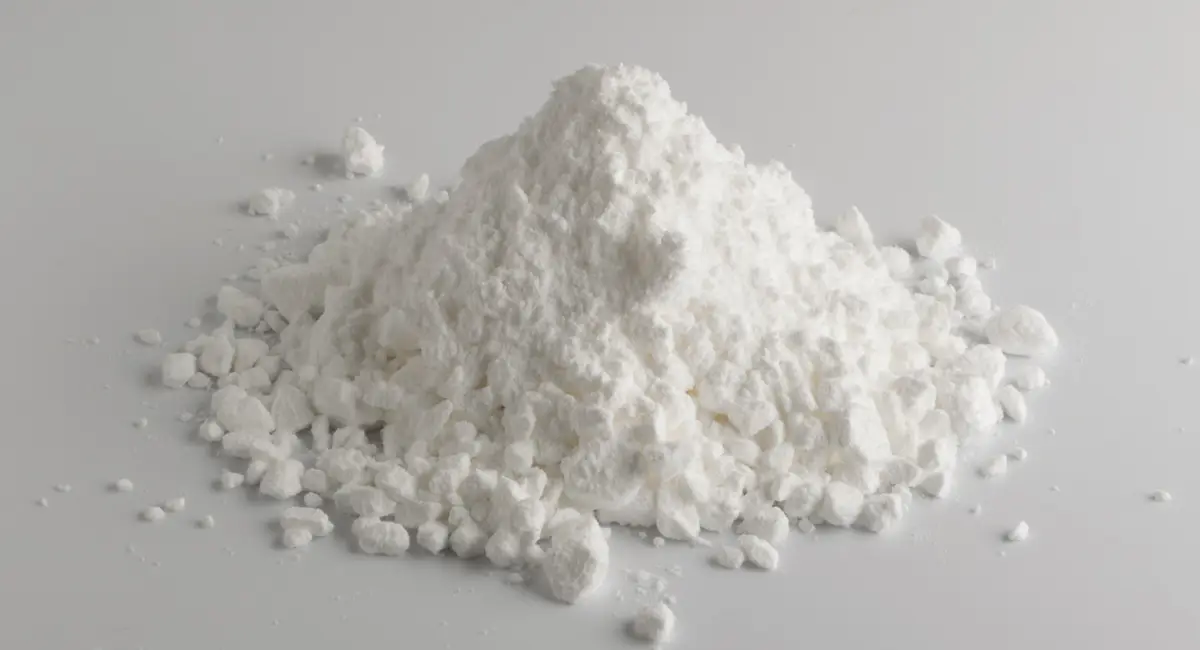
Diatomaceous Earth, also known as ดินเบา in Thai, is a fine white powder made from the fossilized remains of diatoms, which are tiny single-celled algae. Though it may appear harmless, diatomaceous earth has become an unexpectedly effective DIY tool for cockroach control.
Because diatomaceous earth contains silica with small porous structures, when cockroaches come in contact with it, the powder absorbs the oils from their exoskeletons, causing them to lose water and ultimately die. Additionally, the sharp edges of the powder can puncture the cockroach’s exoskeleton, causing further dehydration and death.
How to Use Diatomaceous Earth to Get Rid of Cockroaches:
Precautions:
Baking soda is an essential, versatile kitchen item. Surprisingly, it can also be used to control cockroaches. This is because baking soda is alkaline, and when cockroaches ingest it, it reacts with the acid in their stomachs, producing carbon dioxide gas, which eventually kills them.
How to Use Baking Soda to Get Rid of Cockroaches:
Precautions:
Additional Tips:
Fabric softener is another surprisingly effective household item that can be used to repel cockroaches. Many may wonder how a product with a pleasant scent can help with cockroach control, but the truth is, cockroaches are highly sensitive to strong odors, and they dislike the scent of fabric softeners.
To use fabric softener as a cockroach repellent, mix 1 capful of fabric softener with about half a liter or 1 liter of water, and stir to combine. Pour the mixture into a spray bottle and spray it in areas where cockroaches frequently pass, such as corners, doorways, windows, or inside cupboards. Alternatively, you can soak a cloth with the fabric softener mixture and wipe it across floors and walls.
You can also place cotton balls soaked with the mixture in spots where cockroaches are known to reside, such as under the sink, behind the refrigerator, or in wardrobes.
For best results, choose a fabric softener with a strong fragrance and refresh the cotton balls or reapply the spray every 2-3 days. This method doesn’t necessarily kill cockroaches, but it will drive them away. Additionally, there are other household items that can work as cockroach repellents, such as orange peels, lemon, bay leaves, lemongrass, vinegar, and baking soda.
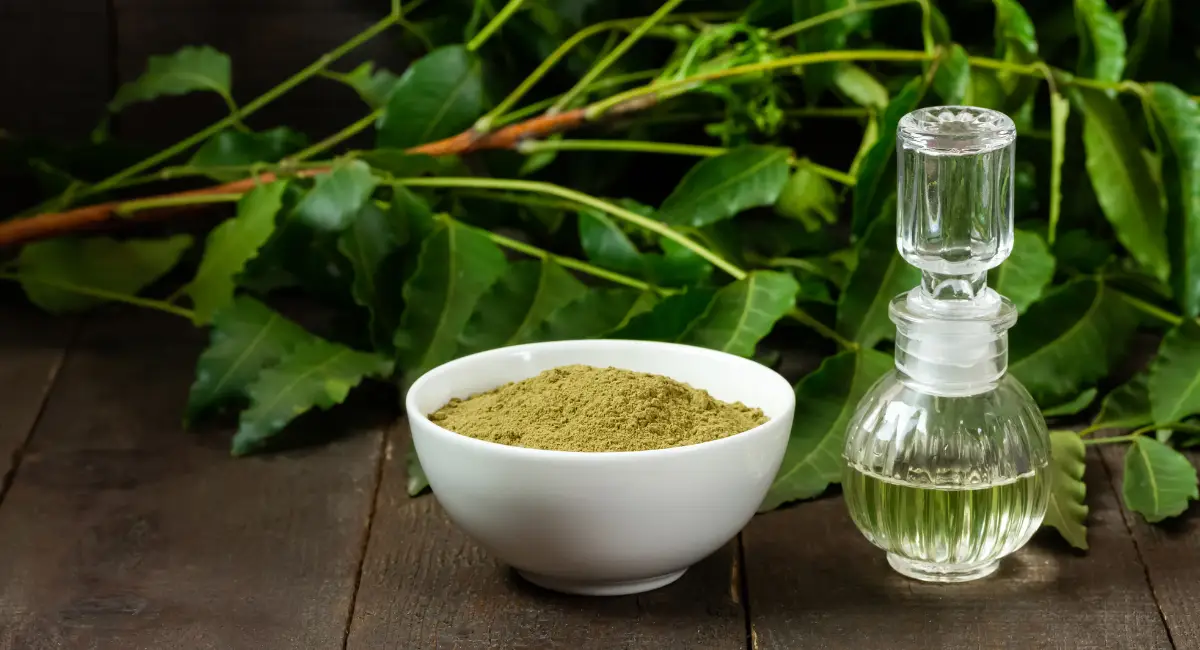
Lastly, Neem Oil is another natural option for DIY cockroach control, as it is safe for humans and pets, easy to find, and affordable.
Neem oil has a strong smell that cockroaches dislike. This odor disrupts their nervous system, making them confused and reluctant to approach. If cockroaches ingest neem oil, the bitter taste will discourage them from eating and may eventually kill them. Neem oil contains azadirachtin, which interferes with the molting and growth of cockroaches.
To use neem oil, mix 2-3 tablespoons of neem oil with 1 liter of water. Add dish soap to help the neem oil dissolve better in water. Pour the mixture into a spray bottle and spray it in areas where cockroaches tend to be, such as corners, under furniture, behind the refrigerator, in the kitchen, and bathroom. You should spray it 2-3 times a week or more if there is a significant cockroach problem.
Precautions:
How about these easy DIY cockroach control methods? We hope these tips prove useful in helping you say goodbye to those pesky insects and restore peace to your home. Remember, "Prevention is better than cure" — always keep your home clean, eliminate food sources, and seal any gaps to prevent cockroaches.
However, if cockroaches continue to be a problem, and you're feeling exhausted, overwhelmed, and just don’t have the time to deal with it, it may be time to call in the professionals. Rentokil, the experts in pest control, is ready to help with their team of professionals and cutting-edge technology. Safe and worry-free, let Rentokil take care of your cockroach problem for the health and well-being of everyone in your family.
Say goodbye to cockroaches — choose Rentokil. Contact us today!