myRentokil
myRentokil login© 2026 Rentokil Initial plc (M) Sdn Bhd Registration No: 197201001250 (12889-M). Subject to the conditions in the Legal statement
Any businesses, especially those that are involved in the handling of food, usually face common problems with flies and other flying insects. Therefore, it is essential to take an integrated approach to eliminating these pests. This approach includes both implementing prevention methods and improving hygiene practices to remove or properly manage food waste that attracts them.
As part of an integrated approach to flies management, it is important to regularly check that your building structure is well maintained (cracks, crevices, gaps, holes are sealed up), and proofing materials such as fly screens are installed and close door-policy is enforced to prevent flies entry. Apart from that, it is also crucial to install Insect Light Trap (ILT) to reduce and monitor flies infestation within your premises. Insect light traps typically consist of glue board units, allowing technicians to monitor the activity level and species of flies captured.
With many ILT models on the market offering various shapes, sizes, and types of lamps, it can be challenging to choose the right ILT that is both effective at catching flies and suitable for your business needs. Here, we outline the most important factors to help you make that decision.
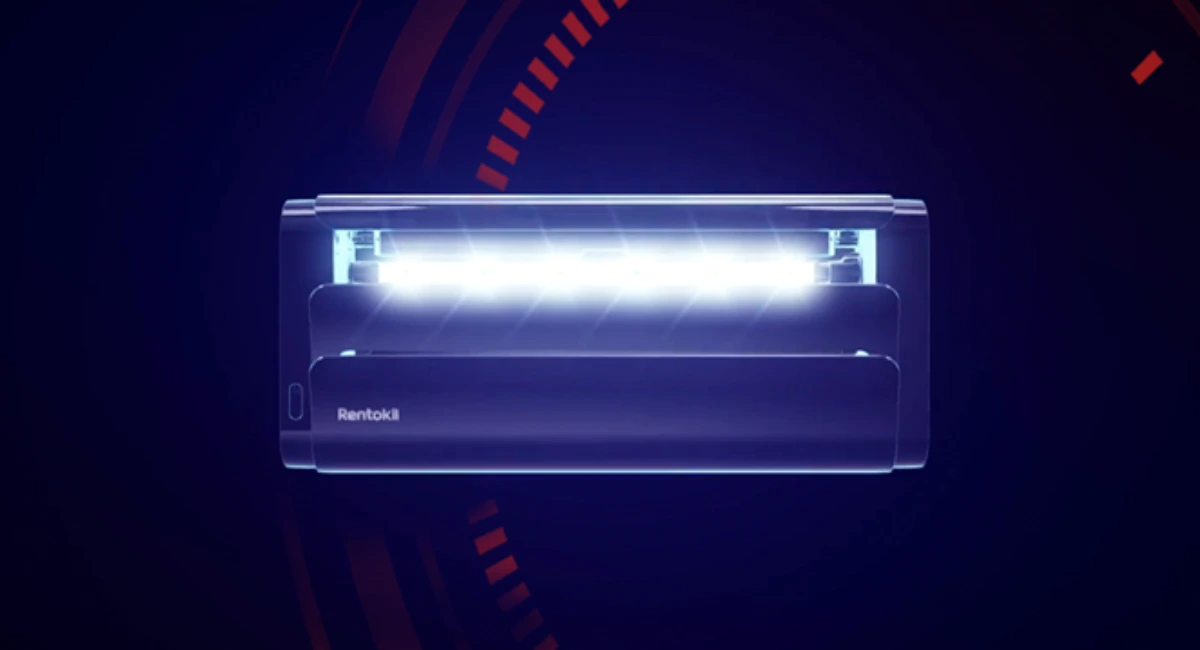
It may seem obvious, but it’s vital to choose an ILT that attracts flies and other flying insect pests. LED lamps can be manufactured to emit specific wavelengths, and those outside the visible light range are more attractive to flies than those within it. What you need are high-attraction LED lamps optimised for a fly-control catch rate to provide a higher level of efficacy.
Insect light traps are generally left on for many hours throughout the day and night. This makes the energy usage a significant proportion of the overall cost of ILTs.
Look out for ILTs that monitor the surrounding environment and get the recommended settings to lower energy consumption and reduce running costs and your environmental footprint. l
ILTs with low-energy LED lamps have a longer lifespan of up to 4 years (compared to fluorescent tubes that last about a year) and use less energy to run than a standard fly-killer, only 10–33 Watts compared to 45–90 watts. The lifespan and low-energy consumption reduce replacement costs and running costs, while also lowering the output of carbon emissions.
When choosing an ILT, it's crucial to assess the size and layout of the area you need to protect, look for any obstacles that could potentially block the UV light such as shelving, partitions, large equipment or even columns. These objects can be "hidden corners" where flying insects can go undetected. The specific environment matters greatly. A restaurant kitchen with its many appliances and confined spaces will have different requirements than a large warehouse with high ceilings and wide-open areas. Similarly, a supermarket with brightly lit aisles and tall shelving poses its unique challenges.
Installation is the most important step when it comes to protecting an area from flies. ILTs should always be positioned between the place you’re trying to protect and the entry points and at the right height, away from other competing light sources, and food-preparation areas.
Studies of ILTs show that flying insect catch rates are higher when the colour of the unit contrasts with the wall on which it’s placed. This is because the high contrast makes the unit stand out more to flies. The two colours with the highest contrast are black and white, but, where aesthetics is important, other colours can be chosen to achieve a similar effect. It doesn’t matter which colour is on the wall or the ILT. It’s the contrast between the two that’s important.
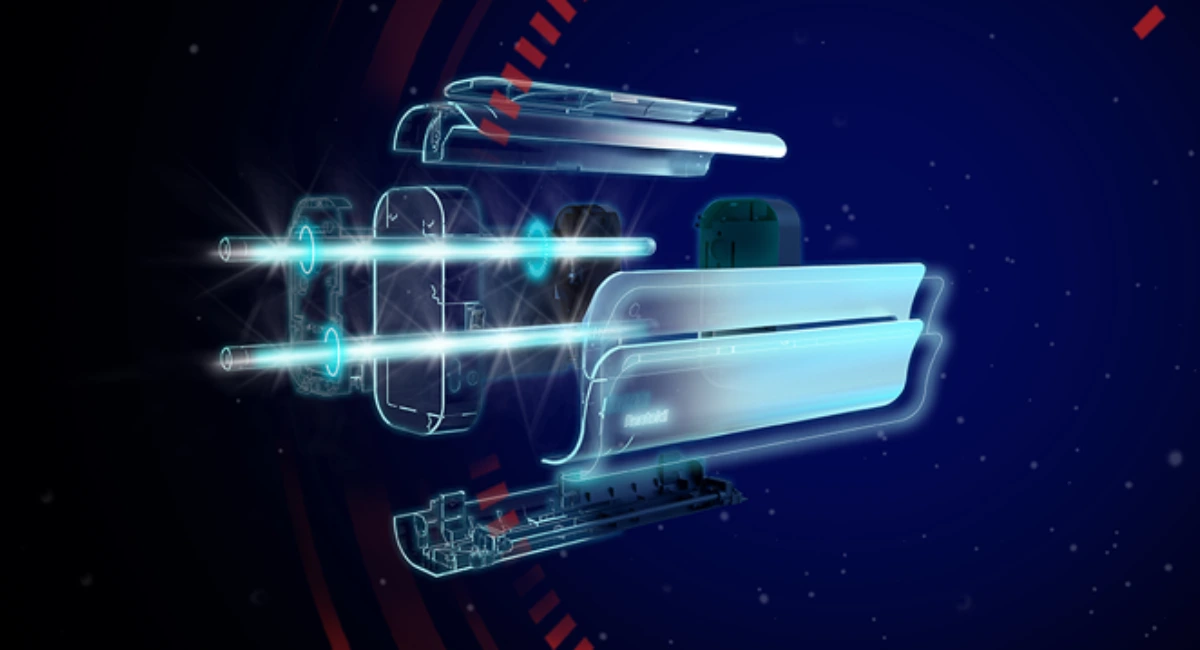
An ILT doesn’t have to be the typical white metal box with a metal grid in the middle that stands out like a sore thumb to customers you want to impress. For instance, restaurants and hotels where aesthetics matter most, can opt for stylish models that blend in with their surroundings and brand whilst still standing out to the flying insects you’re trying to capture.
ILTs with LED lamps, which offer lower glare, can be made slimmer and sleeker than those with fluorescent tubes because the lamp is only a few millimetres thick. Modern units can also have coloured panels on the front to complement the background and hide the glueboard to keep the flies out of view.
An ILT that’s wide is considered more effective at catching flies than ones that are circular or tall and narrow. This is due to the shape and orientation of the lamps in the unit and the shape of the light emitted. When lamps are oriented horizontally, wide, discrete bands of light are emitted that flies are attracted towards. It’s thought this is because it mimics natural shapes of light, such as a horizon.
There are two parts of an ILT that need to be replaced: the lamp and the glueboard. The design of the unit will affect how easily it can be accessed and opened to replace the parts. Choose an ILT that is simple to open and service.
ILTs used in food-handling businesses should have a glueboard rather than an electric grid, so that flies are contained hygienically in the units and insect fragments aren’t scattered around the area by an electric shock.
The glueboard will need to be replaced periodically and disposed of. This should form part of a servicing contract so a trained technician can hygienically replace parts without the risk of cross-contamination.
Fluorescent lamps need replacing yearly due to the rapid degradation of the lamp, when the amount of light produced diminishes with time and can compromise fly control. In laboratory tests, used lamps were shown to be less effective at catching flies than new lamps in the same unit. LED lamps, on the other hand, last four years at least, which means the cost of parts and servicing is lower for them.
.2025-09-30-02-54-31.webp)
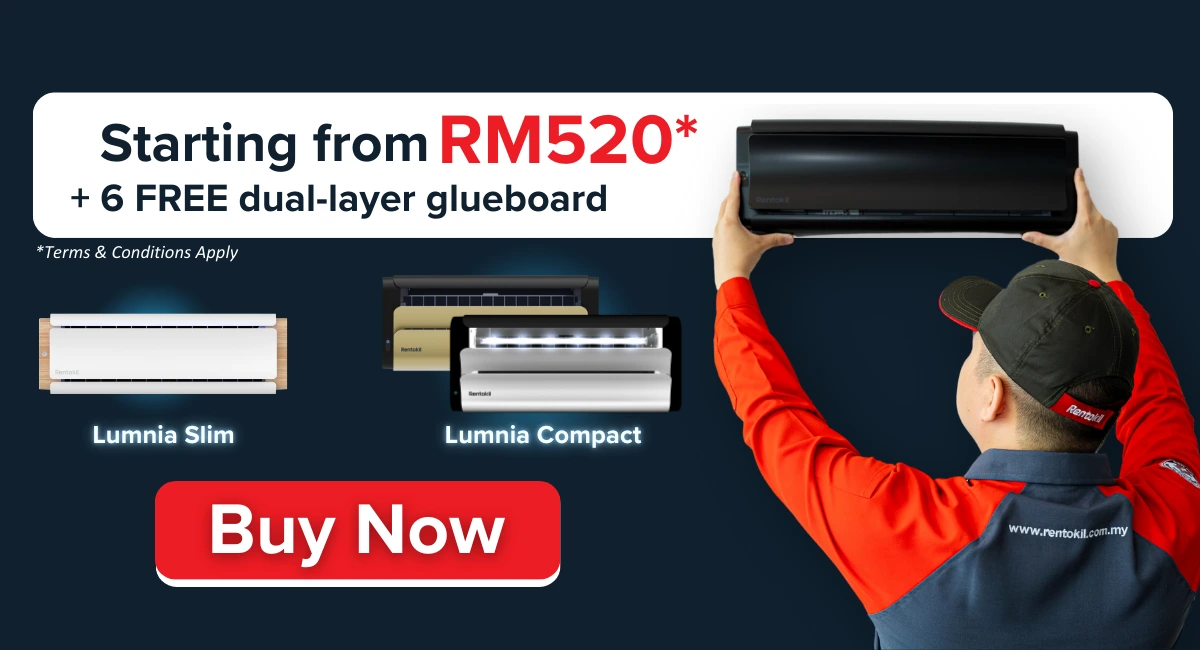
If you’re looking for the most appropriate fly control for your business, make your decision based on the units’ attractiveness to flies, energy efficiency, the area to protect, contrasting colours, aesthetics, shape and service options. Lumnia is designed with all these considerations in mind, offering a highly efficient, hygienic, and visually appealing solution that fits seamlessly into a variety of commercial environments. If you are interested, here is a great deal for you to be part of the Lumnia TradeUp programme — Lumnia Slim and Compact are available at a special price from RM520 for a limited time only. Click here to buy now before it's gone.