1300 307 576 Call now Request a callback

What type of rat is visiting your backyard?

You may be surprised to know that the horrible rat you’ve seen scurrying around your garden might not be all that horrible. Last night, ABC’s Catalyst program showed a great segment on the different types of four-legged creatures that frequent Aussie backyards and they’re not always the bad kind.

You can watch the program here: What rat is this

What types of critters should be banned, or welcomed, in your backyard? Our experts tell all…

Identifying different types of rats in Australia

Spotting a rat in your yard may cause alarm, but not all rats are pests. Understanding the types of rats in Australia helps you determine which species pose a risk and which are part of the local ecosystem. Invasive species like the Black Rat and Norway Rat are known for damaging homes and spreading disease. In contrast, native species like the Bush Rat play an important ecological role and are generally harmless to people.

If you're trying to figure out what you've seen, proper rat identification can make all the difference. Features like tail length, ear size, body shape, and behaviour can all help distinguish between common Australian rats and native lookalikes.

Still unsure? Our experts can help you identify the species and advise whether you need professional rat removal or simply a better understanding of your native backyard visitors.
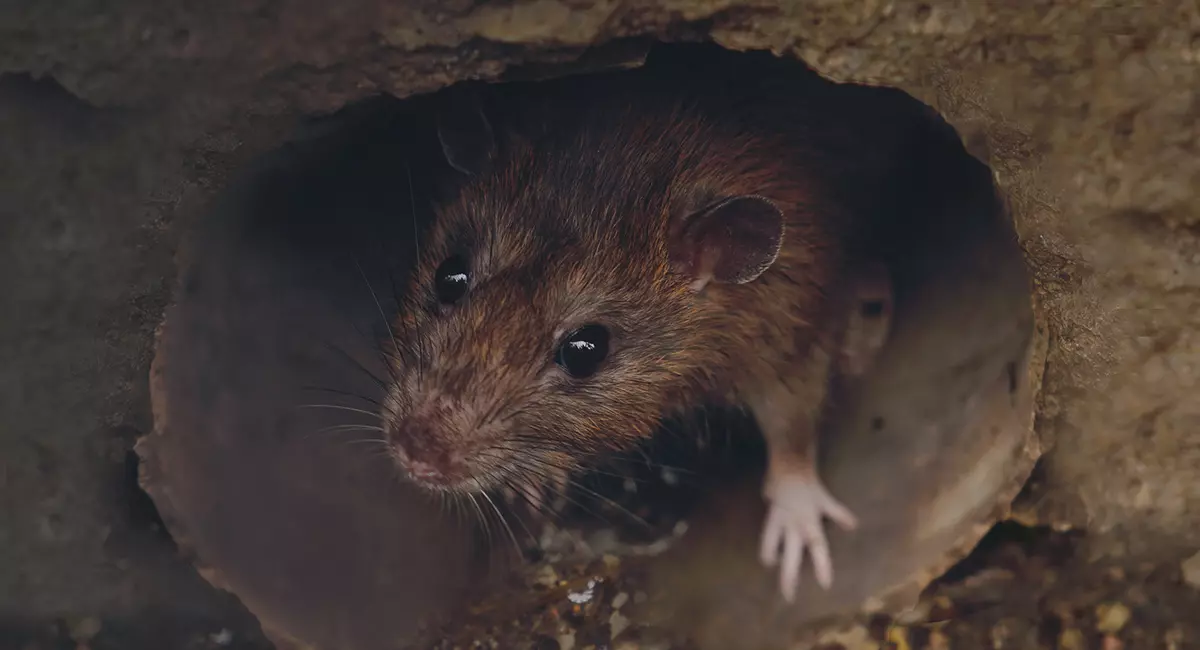
The visitors you don’t want

Black Rat (Rattus rattus)

  • Don’t be fooled by their name! They are rarely black, usually brown!
  • Characterised by the size of their tail, which is usually equal to or longer than the rat’s body
  • They have a pointed nose, large ears and a slender body

Brown Rat or Norway Rat (Rattus norvegicus)

  • They can grow quite large: up to 40cm in length
  • Their tail is shorter than their body
  • They have a blunt nose, small ears and a thicker body than the Black Rat

Why they’re unwelcome

  • They were introduced by European settlers, so they are a threat to our native fauna and flora
  • They can carry a full range of parasites and viruses, including roundworm and Lymphocytic choriomeningitis (LCM)
  • They are great climbers and can scale walls and drain pipes, and also jump great distances
  • Once in and around your home, they can damage your insulation, chew through floor joists and walls, and cause fires by chewing on electrical cables
Rat

The welcome visitors

Bandicoot (Perameles)

  • These cute little guys are often confused for rats!
  • They have long, pointed snouts; a compact body; a long, thin tail and are about the size of a rabbit
  • Their total pregnancy is 12.5 days!
  • They’re nocturnal, so you’ll generally only see them scurrying around at night (and in chocolate form at Easter in Australian supermarkets)
  • As a native species, they’re not a threat to our wildlife, but are often the target of large birds, foxes, snakes and feral cats

Bush Rat (Rattus fuscipes)

  • Again, these little natives are often confused for rats!
  • They’re grey-brown in colour with round ears and a relatively short tail, and grow up to 20cm in length
  • They prefer to live in the dense forest understorey, sheltering in short burrows under logs or rocks and lining their nests with grass (Source)
  • Rentokil recently funded a study with Prof. Peter Banks from the University of Sydney  (featured in the ABC Catalyst program linked above!), looking into the effect of Bush Rats in stopping Black Rats from invading bushland areas in Sydney. You can read more about the study on the University of Sydney website

How to keep away your unwanted guests

There are a few simple things you can do around your home to deter rats and prevent infestations:

  • Eliminate food sources like pet food, fallen fruit, or compost scraps
  • Block entry points under doors, in walls, or through damaged vents
  • Trim back overgrown vegetation near walls and fences
  • Avoid leaving rubbish or garden debris near your home

Visit our How to deter rats page to find out more.

Need help with rat identification or removal?

If you're unsure what type of rat is visiting your backyard, Rentokil’s local team can assist with expert rat identification and safe, effective rat removal. We know the difference between native species and invasive pests and how to deal with them appropriately. Book an inspection or speak to a professional today.

Expert advice and solutions to help prevent rats from entering your home

Rat control services

Protecting Australian homes and businesses for over 50 years

  • Safe, effective, environmentally-friendly pest control
  • A broad range of rat management options to suit your home and business needs
  • With over 1,500 local, accredited pest controllers, we provide a rapid-response service across all of Australia
Find out more

Related posts