myRentokil
Access the online reporting system
Bed bugs are one of the most persistent and troublesome pests that can infest homes, hotels, and even public spaces. These tiny, nocturnal creatures feed on human blood and can be incredibly difficult to detect and manage. They are experts at hiding in cracks, crevices, and upholstered furniture, making them a serious challenge for homeowners. In Australia, with its warm climate and active travel culture, preventing bed bugs is essential to avoid infestations that can lead to sleepless nights, itchy bites, and a host of problems.
This article will guide you through effective strategies for bed bug prevention, control, and treatment, ensuring that your home remains a safe and comfortable environment.
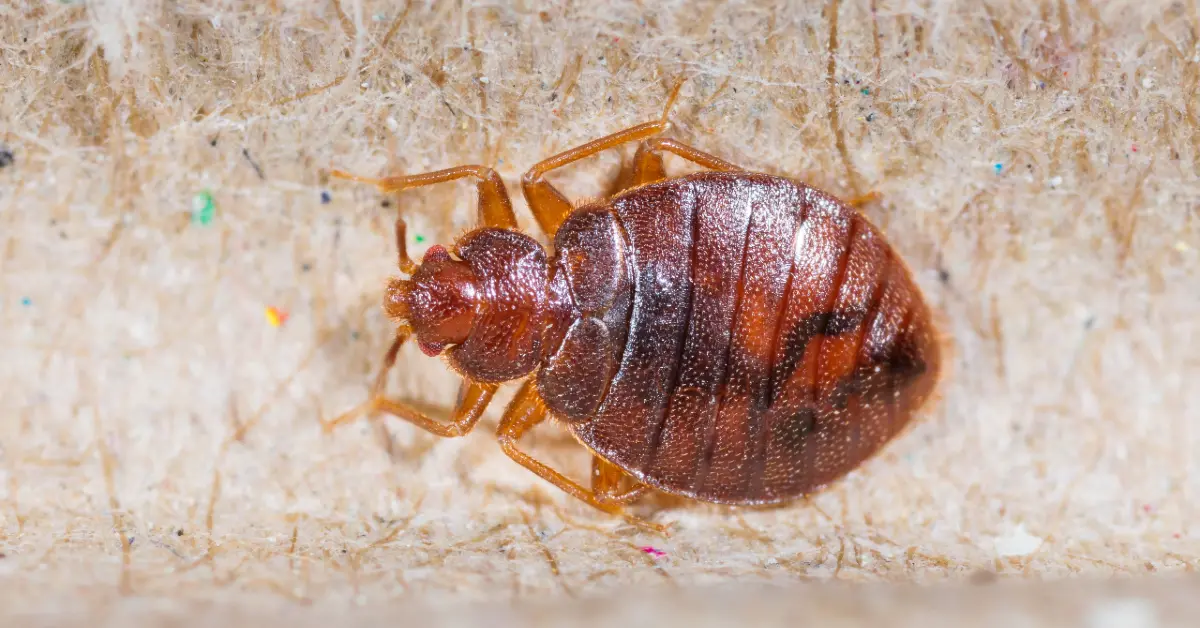
Before diving into prevention methods, it's important to understand what bed bugs are and how they infest your space. Bed bugs (Cimex lectularius) are small, reddish-brown insects that feed on the blood of humans and animals. They are about the size of an apple seed when fully grown, but their size can vary depending on the stage of their life cycle. Bed bugs are excellent hitchhikers, often travelling from one place to another by clinging to luggage, clothing, or furniture.
While bed bugs don't transmit diseases, their bites can cause itching, discomfort, and allergic reactions. They are nocturnal, typically feeding on their hosts during the night when the lights are off and the host is asleep.
Bed bugs are excellent at spreading from place to place. They often hitch a ride on your belongings when you travel. Hotel rooms, public transportation, and even movie theatres are all potential hotspots where bed bugs can easily latch onto your clothes or bags.
Once bed bugs make their way into your home, they can easily spread from one room to another, especially if your house is cluttered. These pests are drawn to warmth and carbon dioxide, which means they tend to hide in and around areas where you sleep, such as your bed, mattress, and headboard.
Preventing bed bugs requires a proactive approach. The following tips will help you avoid an infestation and maintain a home protected from bed bugs.
One of the easiest ways to bring bed bugs into your home is through secondhand furniture, including mattresses, couches, and chairs. Before bringing anything used into your house, thoroughly inspect it for signs of bed bugs, such as tiny dark spots (bed bug droppings), shed skins, or even live bugs themselves.
When travelling, always inspect hotel room beds and furniture for signs of bed bugs. Look for dark stains, blood spots, and small, rust-coloured bugs. Keep your luggage off the floor and on a luggage rack or in the bathroom, where bed bugs are less likely to hide.
Bed bugs are known for their ability to squeeze into the tiniest spaces. To prevent them from finding a home in your house, seal all cracks and crevices around baseboards, door frames, and windows. Pay special attention to areas around electrical outlets, light switches, and any other gaps that might serve as entry points for these pests.
Bed bugs love to hide in linens, clothes, and fabric-covered furniture. Regularly wash your bedding, curtains, and clothing in hot water, especially if you’ve been travelling or staying in a hotel. Heat-drying your clothes at a high temperature (at least 60°C) for 30 minutes is particularly effective in killing any bed bugs or eggs that may be hiding in your fabrics.
One of the most effective forms of bed bug prevention is to use bed bug-proof encasements for your mattress and pillows. These specially designed covers trap bed bugs inside, preventing them from reaching your skin and feeding on you while you sleep. Make sure that the encasements you choose are made of durable, high-quality material and fit snugly around your mattress.
Prevention isn’t just about taking one or two steps; it’s about maintaining constant vigilance. Regularly inspect your bed, mattress, and other furniture for signs of bed bugs. Early detection is key, as it allows you to address the issue before it turns into a full-blown infestation.
Look for the following signs during your inspections:
Cluttered spaces provide ideal hiding spots for bed bugs. The more places they have to hide, the harder it is to spot and treat an infestation. By reducing clutter around your home, especially in bedrooms and living areas, you can make your space less inviting to bed bugs and easier to inspect and treat.
When travelling, always be cautious about where you place your bags. Bed bugs can hitch a ride on luggage, so keep your bags elevated and off the floor. If you suspect a hotel room might have bed bugs, inspect the area thoroughly, focusing on the seams of the mattress, headboards, and upholstered furniture.
After returning home from a trip, immediately unpack your bags outside or in a laundry room, and wash all clothes in hot water. This reduces the chance of any bed bugs entering your home.
If you suspect or find evidence of bed bugs, it’s important to act quickly. Bed bugs multiply quickly and can become a significant problem if left untreated. The following steps are essential for bed bug control:
Begin by thoroughly vacuuming all areas where bed bugs are likely to hide, including your mattress, carpets, and furniture. Dispose of the vacuum bag immediately after use to avoid spreading any bed bugs.
There are a variety of insecticides available on the market for bed bug control. Choose products that are specifically labelled for bed bug treatment, and follow the instructions carefully. Insecticides can be effective when used correctly, but they may not reach all hiding places, so they should be used in combination with other methods.
If the infestation is severe, it’s best to consult a professional pest control company for bed bug treatment. Pest control experts have access to more advanced tools and techniques, including heat treatments, fumigation, and specialised products designed to manage bed bugs at different stages of their life cycle.
Bed bug prevention is about being proactive and diligent. By following the tips above, you can significantly reduce your chances of a bed bug infestation in your home. Regular inspections, cleaning, and precautions when travelling are all essential to keeping these persistent pests at bay. If you do find yourself dealing with bed bugs, acting quickly with the right bed bug control methods will help you avoid the discomfort and stress of a full infestation.
For more information on how Rentokil’s pest control services can protect your home, contact us today. Don’t wait for bed bugs to cause discomfort – act now.
Protecting Australian homes and businesses for over 50 years