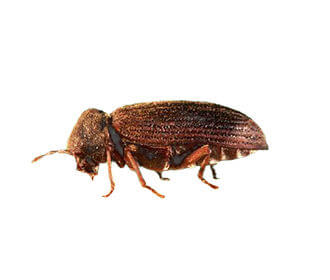
A wood borer infestation is a homeowner’s nightmare. Not only do these pests ruin the aesthetic beauty of your furniture, but they also compromise its structural integrity and long-term durability. The burning question for many is: where exactly do these pests come from?
To solve the problem effectively, we must first understand the root cause. Let’s explore the origins of the wood borer, identify the warning signs, and find effective ways to protect your beloved wooden furniture from damage.
The Origins: Where Do Wood Borers Come From?
Wood borers do not spontaneously appear from the wood itself. They are insects with a distinct life cycle. For these pests to infiltrate your furniture or home structure, they primarily originate from two sources:
1. Pre-existing in the Wood
This is the most common cause of infestation. In many cases, the problem begins long before the wood is turned into furniture for your home.
- Egg Laying: The cycle starts with a winged female adult looking for a suitable place to lay eggs. She deposits tiny eggs into natural cracks, pores, or the sapwood of raw, unvarnished timber.
- Larval Incubation: Once the eggs hatch, the larvae (woodworms) immediately burrow deep into the timber. They eat the wood from the "inside out" for months (or even years) remaining completely invisible from the exterior.
- Hiding in Furniture: Consequently, processed lumber or even new furniture bought from a factory (as well as second-hand pieces) may already contain eggs or larvae. As time passes and the larvae mature, they bore their way out to mate. This is when you finally see the exit holes and wood dust.
Therefore, finding a wood borer in new furniture doesn't necessarily mean they just arrived; it is highly likely they were embedded in the wood during the manufacturing process.
2. Invading from the Outside
Aside from being carried in, wood borers can also invade your home from the external environment.
- Flying Adults: Once a beetle matures and chews its way out of a piece of wood, it grows wings. This allows it to fly freely from one location to another.
- Entering the Home: Adult beetles can easily fly into your house through open doors, windows, air vents, or cracks in the wall. Many species are also attracted to light at night.
- Starting a New Cycle: Once a mated female enters the home, she seeks new targets, such as wooden furniture, door frames, or structural beams that are unvarnished, to lay eggs. This allows the infestation to spread from one piece of furniture to another rapidly.
Understanding these two origins is key to effective prevention, ranging from inspecting wood before bringing it indoors to sealing your home against external invaders.
Know Your Enemy: Common Types of Wood Borers
While we often use the general term "wood borer," several specific beetle species attack furniture in Thailand. The two most common culprits are the Powder Post Beetle and the False Powder Post Beetle.
Powder Post Beetle (Mod Kee Kui)
As the name suggests, these are the most damaging and common species found in Thailand. They are known for the fine, flour-like dust they leave behind.
- Appearance: Small, reddish-brown to black beetles with slender bodies.
- Diet: They prefer porous hardwoods like Teak, Padauk, Redwood, and Oak.
- Signs: They bore small, round exit holes (1-2 mm). They leave behind piles of very fine, talcum-like powder (frass) around the holes or under the furniture.
False Powder Post Beetle / Auger Beetle (Mod Mai)
Another common species that causes significant damage to various wood types.
- Appearance: Small, brown beetles, similar in shape to the Powder Post Beetle.
- Diet: They can attack both hardwood and softwood (like Pine).
- Signs: They also create round exit holes. However, the key difference is the texture of the wood dust. Their frass is coarse and gritty to the touch. If you look closely, the dust particles are pellet-shaped (oval), which is actually the larvae's excrement.
How to tell them apart: Check the dust. If it feels like fine flour, it is likely the Powder Post Beetle. If it feels gritty or coarse, it is the False Powder Post Beetle.
5 Warning Signs of a Wood Borer Infestation
If you suspect your furniture is under attack, look for these visible and audible indicators:
- New Holes: You spot fresh, clean, round holes on the surface of the wood. These are the exit tunnels created by adults emerging from the interior.
- Fine Wood Dust: You find piles of dust (frass) resembling flour or fine sand accumulating on the floor beneath furniture or near the holes. This is the clearest sign of active activity.
- Audible Noises: In the silence of the night, if you place your ear near the infested wood, you may hear faint "clicking" or rasping sounds. This is the sound of larvae crunching through the timber.
- Weak or Damaged Wood: If the wood feels brittle, crumbles easily at the edges, or dents when you press it with a finger, the internal structure has likely been hollowed out.
- Live Beetles: You see small brown or black beetles crawling on your furniture or find dead beetles near windowsills (as they try to fly toward the light).
Now that you know the origins and warning signs of the wood borer, it is clear that these pests often hide deep within the grain, causing damage long before they are seen. Early detection and prevention are vital to saving your valuable assets.
Furniture holds both financial value and sentimental memories, don't let them turn to dust. Protect your home today with professional Fumigation services from Rentokil. Our specialized team, part of the Rentokil Initial network, brings over 12 years of expertise in fumigation to eliminate pests effectively and safely.