Don't just imagine your business with no pests...experience pest-free with Rentokil.
© 2026 Rentokil Initial plc and subject to the conditions in the Legal statement.
Subterranean termites (Coptotermes spp.) pose a recurring threat to homes and buildings. These termites typically measure between 5 and 10 millimetres in size, and their appearance varies based on their caste. Worker termites have white bodies and heads, while soldier termites have yellowish-white bodies and large brown heads, equipped with strong mandibles and legs. Inside the nest, a queen termite can lay up to 30,000 eggs per day.
Subterranean termites build their nests underground and require high humidity, which is why they create muddy tunnels or cover the soil along their foraging routes to prevent moisture loss. Their tunnels can often be found in logs and in cracks within concrete structures.
This article will discuss methods for eliminating and preventing subterranean termites. You will learn how to effectively address termite infestations and protect your home, ensuring it remains a warm and safe space for your family.
This article explains the steps involved in effective termite control methods, which should be carried out by specialised termite control experts. Each method varies depending on the environment within the house and will be evaluated by professionals.

Injecting termite treatment into the soil is a popular and highly effective method for eliminating and preventing subterranean termites. It's suitable for homes that don't currently have a termite problem or those at risk of future infestations, aiming for long-term prevention.
We do not recommend doing this yourself, as it requires expertise, specialised equipment, and techniques only experienced professionals can master. For exterior areas, professionals will drill holes around the house at even intervals. Chemical termite treatment is then injected into each hole. These chemicals penetrate the soil, forming a "poisonous barrier" that termites cannot penetrate. If a non-repellent termite treatment is used, worker termites will not die immediately after passing through this barrier; the chemical will cling to them, spreading to other termites and the queen, ultimately eliminating the entire colony.
This method effectively eliminates and prevents subterranean termites over a wide area and remains effective for several years. However, regular termite checks are still recommended. Even with frequent and regular chemical injections, termites originate from winged termites (alates), so infestations can still occur. Having a professional inspect for termite damage is a highly recommended option. Early detection and eradication allow for faster treatment, reducing the chance of termite damage to your home.
However, chemical injection into the soil must be performed by skilled technicians with high standards of safety, occupational health, and environmental protection. This is because it requires specialised equipment and highly concentrated chemicals. While modern chemicals are safer, caution is still necessary when choosing them. Select a company with high standards and environmental responsibility.
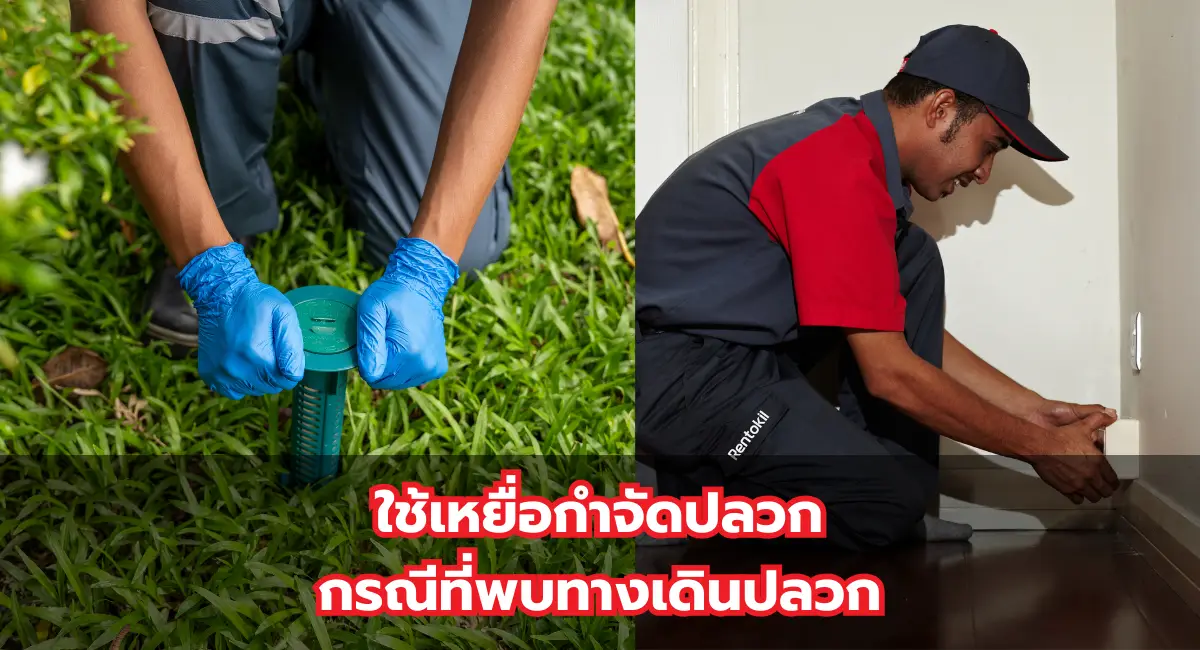
Let's explore the second method for eliminating subterranean termites: using termite bait. This approach is popular, especially when you notice “termite tunnels,” which indicate an infestation in your home. This method focuses exclusively on eradication and is most effective when live termites are observed inside the tunnels.
The bait is designed to attract termites with a chemical that prevents them from moulting, ultimately leading to their death. Typical termite baits consist of cellulose—a favourite food of termites—combined with a slow-acting, undetectable chemical. When worker termites discover the bait, they are deceived into thinking it is food and share it with other colony members, including the queen. Because the chemical acts slowly, it disrupts the moulting process, resulting in the termites’ demise. As termites share their food, the chemical spreads throughout the colony, effectively eliminating the subterranean termites. However, it may take some time depending on the colony's size, usually around 45 to 90 days.
Importantly, termite baits are formulated to be safe for humans and pets. The chemicals employed have a low environmental impact and can eliminate not only visible termites but also target the source of the infestation—the termite queen—thus offering a permanent solution to the problem.
If you choose this method, be aware that termite control using bait may take several weeks or even months to show results, as the chemicals require time to take effect and disseminate through the colony. It’s essential to place the bait correctly and check it regularly to ensure that termites can easily access it and return it to their nest. In cases of severe infestation or if you are uncertain about bait placement, it’s advisable to consult a professional termite control company.
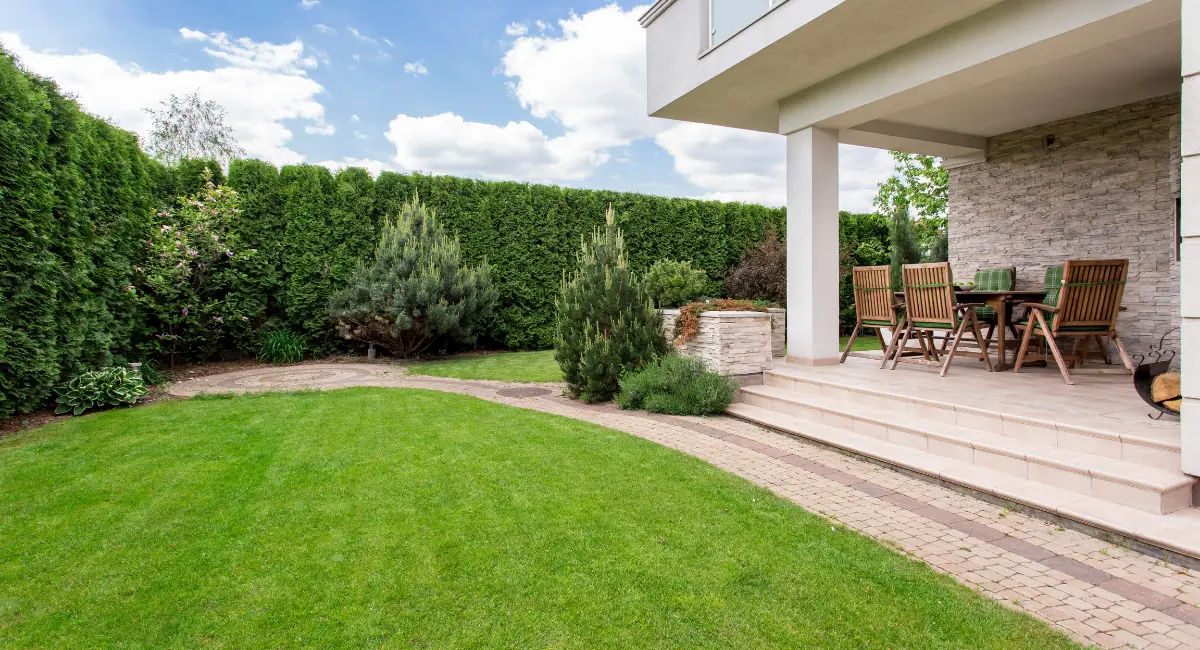
A beautiful garden can be a hidden threat, as trees, fallen leaves, and rotting stumps provide perfect food and shelter for subterranean termites. Regular watering and high moisture levels make gardens even more attractive to termites, allowing them to travel underground and invade your home through the soil.
To prevent termites from entering your home, follow these essential steps:
Expert Tips: Certain plants like lemongrass, neem, and marigolds are natural termite repellents and can be planted around your garden. Birds, chickens, and nematodes are also natural enemies of termites, helping reduce their population.